




Testing walking pole strength at home – safe methods?
Many hikers wonder whether their trekking poles are still up to the task—especially after a hard fall, years of use, or before a big trip. The instinct to “test” strength by hanging heavy weights from the pole, standing on it, or using it as a lever is understandable, but these methods can be dangerous. Poles can fail suddenly under uncontrolled stress, sending splinters of carbon or bent aluminum flying, and potentially causing injury. Instead, you can perform a series of safe, non‑destructive inspections that give you a reliable sense of your poles’ condition without putting yourself or the gear at risk.
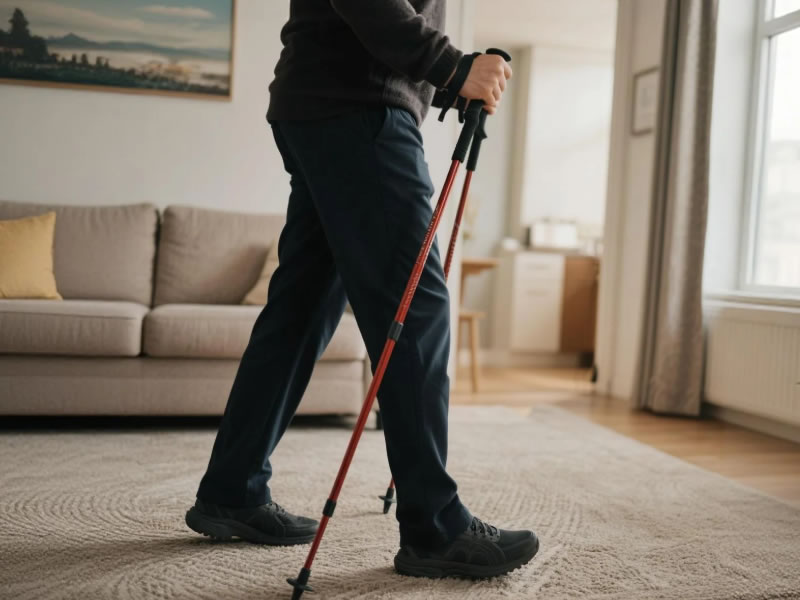
Recommended trekking pole purchase link: https://s.click.aliexpress.com/e/_c4M7OWaN
Visual Inspection: The First Line of Defense
Before any hands‑on testing, examine both poles carefully in good light.
- Carbon fiber: Look for hairline cracks, surface crazing, or areas where the clear coat is lifted—these can indicate underlying damage. Pay special attention to the areas just above the tip and just below the grip, where stress concentrates. If you see any crack, the pole is compromised.
- Aluminum: Check for bends, dents, or bulges. A slightly bent aluminum pole may still be functional, but a dent creates a weak point that can fold under load. Run your fingers along the shaft; any deformation you can feel is a problem.
- Lock mechanisms: Inspect flick locks for cracks in the lever or body. For twist locks, look for excessive wear on the threads or any sign that the expander is loose inside the shaft.
- Tip and baskets: Make sure the carbide tip is not worn down to a nub and that baskets are securely attached. A tip that has become smooth reduces traction but does not affect structural strength.
The Wiggle Test: Checking Joint Integrity
With the pole fully extended and locked:
- Hold the pole vertically with the tip on a carpeted floor (to avoid scratching).
- Gently try to flex the pole side‑to‑side with your hands spaced about a foot apart.
- Feel for excessive play between sections. A small amount of flex is normal, especially in folding poles. A distinct “clunk” or movement at the joint suggests the lock is not holding properly.
- For folding Z‑poles, also check that the internal cord is not too slack. When collapsed, the sections should hold together with light tension; if the cord is loose, it may need replacement.
Static Load Test (Low Force)
You can safely simulate a fraction of real‑world load without risking injury:
- Place the pole tip on a non‑slip surface (carpet, rubber mat, or a piece of plywood on grass).
- With the pole vertical, press down firmly with your palm on the grip, using only your upper‑body weight—do not jump or throw your weight onto it.
- Listen for creaking, clicking, or slipping. Any noise from the lock mechanism indicates it needs adjustment or replacement.
- Repeat with the pole at a slight angle (10–15 degrees) to simulate an off‑axis plant. If the lock slips under this moderate force, it will not hold on the trail.
This test tells you whether the locks are functioning correctly without risking a sudden collapse under full body weight.
Weight Comparison (for Carbon Poles)
Carbon poles that have been over‑stressed or have taken in water can change weight. If you have a kitchen scale:
- Weigh the pole and compare to the manufacturer’s listed weight (check the brand’s website or your order history).
- A noticeable increase (more than 0.5 oz) could indicate water inside the shaft—a sign that the internal cord or seals have failed. A decrease may indicate compressed or damaged sections.
What NOT to Do
- Do not stand on the pole or place your full body weight on it while it is horizontal.
- Do not hang weights (dumbbells, water jugs) from the pole to test its limit.
- Do not use the pole as a lever to pry or lift heavy objects—this applies lateral force that poles are not designed to handle and can cause sudden, violent failure.
- Do not strike the pole against hard surfaces to “test” its durability.
These methods can turn a potentially weakened pole into a dangerous projectile.
When to Retire a Pole
If any of these conditions appear, retire the pole (or replace the damaged section if the brand offers parts):
- Visible crack or deep scratch in carbon fiber
- Bent or dented aluminum shaft
- Flick lock that will not hold tension even after tightening
- Internal cord that is frayed or cannot keep sections together when collapsed
- Water inside the shaft that cannot be drained
A replacement section or a new pair is far cheaper than an emergency room visit.
The Verdict
Safe strength testing at home is not about trying to break your poles—it is about knowing their condition through careful inspection and low‑force functional checks. A thorough visual exam, a wiggle test, and a controlled static load test will reveal most issues that would lead to failure on the trail. If your poles pass these checks and show no visible damage, you can trust them for your next adventure. If they show any signs of wear or damage, replace the affected parts or the poles entirely. Safety on the trail begins with confidence in your gear, and confidence begins with a thorough, non‑destructive assessment at home.




