




Alexander Technique for Walking Pole Use? A Guide to Effortless, Poised Movement
The Alexander Technique is a method for improving posture, movement, and coordination by releasing unnecessary tension. It teaches us to unlearn the habits of body misuse we accumulate over time, reclaiming the loose, balanced poise we had as children. When applied to walking pole use, the Alexander Technique transforms the experience from a muscular effort into a fluid, integrated movement. This guide explores how to apply Alexander principles to walking with poles.
Recommended trekking pole purchase link: https://s.click.aliexpress.com/e/_c4M7OWaN
The Short Answer
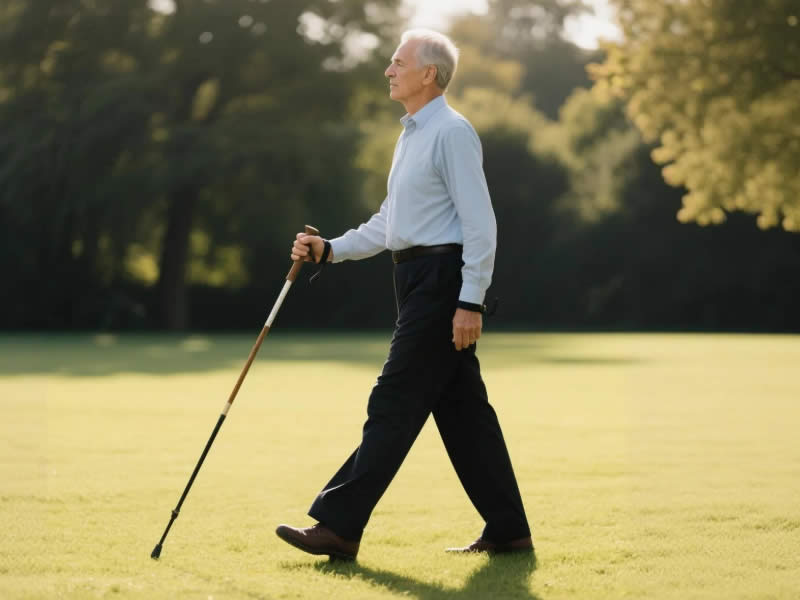
Yes, the Alexander Technique offers profound benefits for walking pole use. It teaches you to free your neck, allowing your head to lead your spine upward. It encourages your knees to lead the movement rather than your feet or chest. It helps you use your arms as extensions of your back, allowing the poles to swing naturally from your shoulders. The goal is not to grip or push but to move with ease and elegance, using the poles to sense the ground rather than fight it. A few private Alexander lessons can transform how you use poles, turning a hike into an experience of gently gliding rather than hauling yourself uphill.
The Core Principles of Alexander Technique
1. The Head-Neck Relationship
This is the foundation. When the head is balanced lightly on top of the spine, the neck is free. When the neck is free, the whole body can organize itself efficiently.
Application: Before stepping, allow your neck to be free so your head can move gently upward, lengthening your spine rather than compressing it. Imagine your head floating up while your sitting bones release down—this creates space in your whole body.
2. Inhibition
The ability to pause and choose not to react with habitual tension. Instead of tightening up in anticipation of effort, you learn to let go.
Application: As you pick up your poles, notice any impulse to grip them tightly. Inhibit that impulse. Let your hands rest on the grips rather than clutch them. The poles are extensions of your arms, not something to hold onto for dear life.
3. Primary Control
The relationship between head, neck, and back is the primary control of the body's coordination. When this relationship is free, the rest of the body can function efficiently.
Application: Let your head lead your movement. As you walk, allow your head to move slightly forward, leading your spine. Your poles will follow naturally.
4. Direction
You can consciously direct your body to lengthen and widen, even as you move. This is not about forcing but about thinking the direction.
Application: As you walk, think of your spine lengthening upward. Think of your shoulders widening. Think of your knees releasing forward. Your poles will swing in response to these directions, not from isolated arm effort.
Applying Alexander Principles to Walking Pole Use
Before You Begin: Check Your Stance
Stand quietly with poles planted. Take a moment to observe:
- Feet: Soften your knees (never lock them). Let your feet rest on the ground without gripping.
- Head-Neck: Allow your neck to be free. Let your head balance lightly on top of your spine.
- Spine: Imagine your head floating up while your sitting bones release down. Feel length through your whole body.
- Arms: Let your arms hang from your shoulders. The poles should feel weightless in your hands.
Stepping: Let Your Knees Lead
When you're ready to move, allow your knees to lead rather than your feet or chest:
- Think of one knee releasing forward
- Let the opposite knee release back
- Your feet will follow naturally
- This encourages your legs to swing from the hips and prevents you from jamming your weight downward
Arms as Extensions of Your Back
With poles, think of your arms as extensions of your back:
- Allow the poles to swing naturally from your shoulders—not your elbows
- The movement originates in your back, not your arms
- The poles move in opposition to your legs: left pole forward with right foot, right pole forward with left foot
- This creates a natural, integrated rhythm
Using the Poles to Sense the Ground
Instead of stabbing or jabbing the ground:
- Let the poles meet the ground with softness
- Use them to sense the terrain rather than fight it
- The tip contacts the ground, you feel it through your hands, and your body adjusts
- This creates a continuous feedback loop between your body and the trail
The Grip: Relaxed, Not Clenched
Most people grip poles too tightly:
- Let your hands rest on the grips
- The straps should bear weight, not your grip
- Think of your fingers as hooks, not clamps
- When you grip less, your shoulders relax, and your neck frees
Uphill and Downhill
Uphill:
- Shorten your poles slightly
- Allow your knees to lift you, don't push with your arms
- Let your head lead upward, lengthening your spine
- The poles assist, they don't haul
Downhill:
- Lengthen your poles slightly
- Allow your knees to release forward, absorbing the descent
- Don't lock your elbows or brace
- Let the poles sense the ground ahead, your feet follow
Common Habits to Unlearn
Habit: Gripping the poles too tightly
Alexander Response: Inhibit the impulse to grip. Let your hands rest. Feel the straps supporting you.
Habit: Leading with the chest
Alexander Response: Let your head lead. Your chest follows, not the other way around.
Habit: Jabbing the poles into the ground
Alexander Response: Let the poles meet the ground softly. Use them to sense, not to push.
Habit: Locking knees
Alexander Response: Soften your knees. Let them release forward as you step.
Habit: Hiking shoulders
Alexander Response: Think of your shoulders widening. Let your arms swing from your back, not your shoulders.
The Role of a Teacher
The Alexander Technique is best learned with a qualified teacher. A teacher can:
- Observe your habitual patterns
- Guide you with gentle hands-on instruction
- Help you experience the feeling of freer movement
- Accelerate your learning
Even a few private lessons can transform how you use poles.
What Practitioners Say
"I used to hike with my shoulders tensed, gripping my poles like lifelines," shares Michael, who studied the Technique. "Learning to free my neck changed everything. Now I glide. The poles are extensions of my hands, not burdens."
"My knees used to ache after every hike," says Sarah, a long-distance walker. "Alexander taught me to let my knees lead. Now they release forward naturally, and the pain is gone. The poles support, not cause, my movement."
The Deeper Practice
Walking with poles using Alexander principles becomes a form of moving meditation:
- You notice where you hold tension and let it go
- You feel your head leading your spine
- Your poles swing in rhythm with your steps
- The trail becomes a conversation between your body and the earth
The Bottom Line
The Alexander Technique offers a profound approach to walking pole use. By freeing your neck, letting your knees lead, and using your arms as extensions of your back, you transform hiking from a muscular effort into an integrated, effortless movement. The poles become extensions of your intention, not tools of force.
Start with simple awareness: check your head-neck relationship before you move. Let your knees release forward. Let your poles swing from your shoulders. And if possible, find a qualified Alexander teacher to guide you. Your hikes will never be the same.
Disclaimer: This article provides general information about applying Alexander Technique principles to walking pole use. For personalized instruction, seek a qualified Alexander Technique teacher.




