




Recyclable aluminum Trekking Poles – how to recycle?
Aluminum is one of the most recyclable materials on the planet. It can be melted down and reformed indefinitely without losing strength or quality. This makes aluminum trekking poles—unlike their carbon fiber counterparts—a candidate for responsible end‑of‑life recycling. However, recycling a trekking pole is not as simple as tossing it into your curbside bin. Poles are composite products: aluminum shafts combined with rubber tips, plastic baskets, foam or cork grips, and synthetic straps. Proper recycling requires disassembly, material separation, and sometimes a bit of creativity. Here’s how to ensure your retired aluminum poles don’t end up in a landfill.
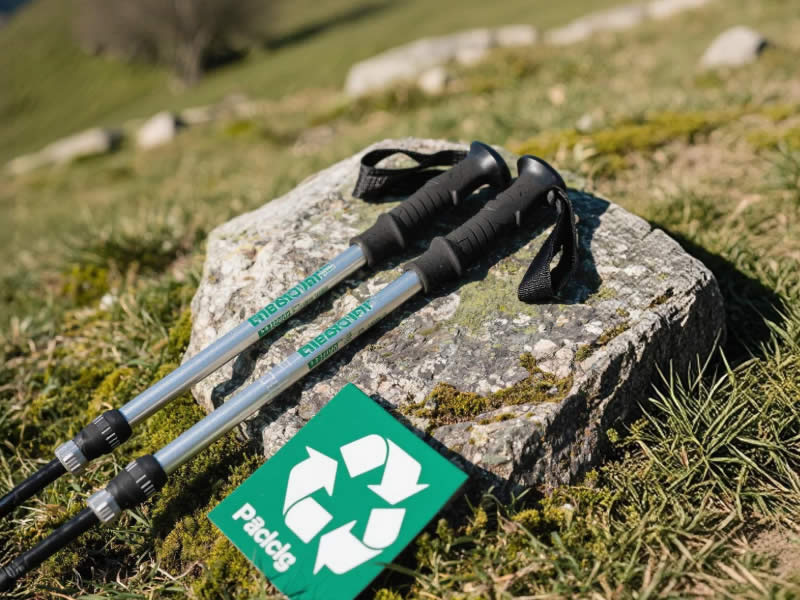
Recommended trekking pole purchase link: https://s.click.aliexpress.com/e/_c4M7OWaN
Why Recycling Aluminum Matters
Producing new aluminum from raw ore (bauxite) is energy‑intensive. Recycling aluminum uses approximately 95% less energy than primary production. When you recycle aluminum trekking poles, you contribute to significant energy savings and reduce the demand for mining. Given that a single pair of poles contains several hundred grams of aluminum, the cumulative impact of recycling across the outdoor community is meaningful.
Step‑by‑Step Guide to Recycling Aluminum Poles
1. Assess Whether Recycling Is Necessary
Before recycling, consider whether the poles can be repaired or donated. A worn tip, frayed strap, or slipping lock is often fixable. If the poles are still functional, donate them to a youth program, gear library, or beginning hiker. Recycling should be the last resort—after repair and reuse options are exhausted.
2. Disassemble the Poles
Separate the aluminum shafts from non‑aluminum components:
- Remove rubber tips – Pry off with pliers. These are typically not recyclable and belong in general waste.
- Remove plastic baskets – Twist or snap off. These are usually #5 plastic (polypropylene) and may be recyclable if your local program accepts them; otherwise, general waste.
- Remove grips – Cork, foam, or rubber grips can often be pulled or cut off. Cork grips may be compostable; foam and rubber go to general waste.
- Remove straps – Cut or unthread synthetic straps. These are fabric waste unless your area has textile recycling.
- Remove locking mechanisms – Lever locks or twist locks contain metal and plastic. Separate metal components if possible; otherwise, dispose as mixed material waste.
3. Separate by Material
Once disassembled, you should have:
- Aluminum shafts – These are recyclable. If the poles are telescoping, separate the sections. Remove any remaining plastic or rubber.
- Plastic baskets and lock housings – Check local recycling guidelines for rigid plastics. Many municipal programs accept #5 plastics.
- Rubber tips – General waste (landfill). Rubber is rarely accepted in curbside recycling.
- Grips – Cork can be composted; foam and rubber are general waste.
- Straps – Textile recycling if available; otherwise general waste.
4. Recycle the Aluminum
Clean aluminum shafts can be taken to:
- Metal recycling centers – Most cities have scrap metal facilities that accept aluminum. Call ahead to confirm they take “mixed aluminum” from sporting goods.
- Some municipal recycling programs – A few advanced programs accept aluminum poles in curbside bins, but only if fully disassembled and clearly aluminum. When in doubt, take them to a dedicated metal recycler.
- Manufacturer take‑back programs – Brands like Leki and Black Diamond occasionally offer recycling initiatives. Check their websites for current programs.
What About Carbon Fiber Poles?
Carbon fiber trekking poles present a different challenge. Carbon fiber is a thermoset composite—it cannot be melted down and reformed like aluminum. Most carbon fiber poles end up in landfills. Some specialty recyclers are developing processes to reclaim carbon fiber, but these are not widely available. For carbon fiber poles, repair and reuse are even more critical.
Creative Reuse Before Recycling
Before sending aluminum shafts to the recycler, consider giving them a second life:
- Garden stakes – Aluminum poles make excellent plant supports.
- Tent poles – With creativity, sections can be repurposed for shelters or tarps.
- Walking stick projects – Craft projects or mobility aids for local seniors.
- Art installations – Some community art programs accept outdoor gear for creative reuse.
Brands with Recycling Programs
A handful of outdoor brands are beginning to address end‑of‑life recycling:
- Leki – Offers spare parts to extend life; limited take‑back in some regions.
- Black Diamond – Supports repair; check for recycling events.
- REI – Occasionally hosts gear recycling events through their “Re/Supply” program.
- Local outdoor retailers – Some independent shops collect old gear for recycling or donation.
The Bigger Picture: Repair First
Recycling is important, but it still consumes energy and resources. The most sustainable option is to keep poles in service as long as possible. A pair of aluminum poles repaired at five years and again at ten years may never need recycling within your lifetime. When you do retire them, proper disassembly and material separation ensure that the aluminum—one of the most valuable recyclable materials—enters the circular economy rather than a landfill.
Final Thoughts
Recycling aluminum trekking poles requires a bit of effort—disassembly, material separation, and finding the right recycling facility—but it’s a worthwhile act of environmental stewardship. By taking the time to properly recycle your retired poles, you ensure that the aluminum returns to the supply chain, reducing the need for energy‑intensive mining and manufacturing. And before you recycle, remember: repair, donate, and reuse are even better choices. The trail we love is sustained not only by the steps we take on it, but by the choices we make with the gear that carries us there.




