




Second-hand Trekking Poles – where to buy?
Buying second-hand trekking poles is one of the most sustainable choices you can make as a hiker. It keeps functional gear out of landfills, avoids the carbon footprint of manufacturing new poles, and often saves you significant money. But knowing where to look—and what to look for—is key to finding a reliable pair that will serve you for years. Here’s a comprehensive guide to sourcing quality used trekking poles.
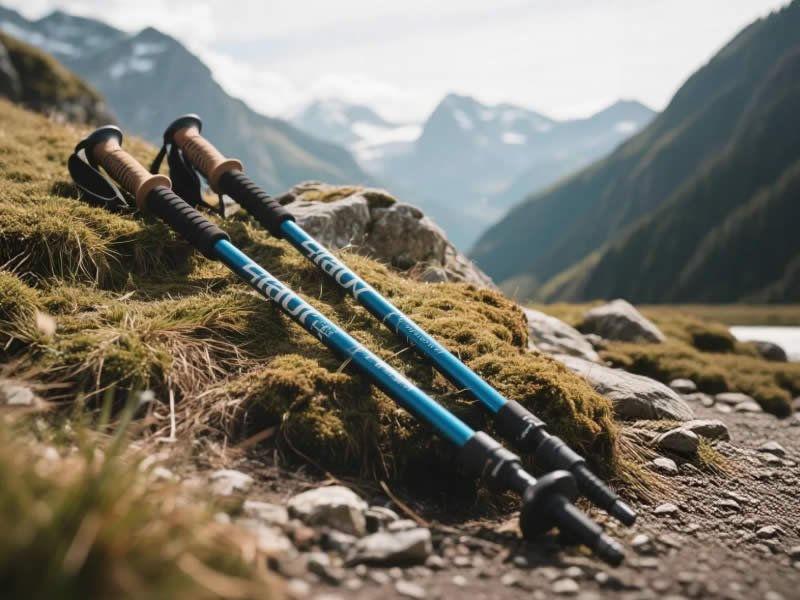
Recommended trekking pole purchase link: https://s.click.aliexpress.com/e/_c4M7OWaN
Why Buy Second-Hand Trekking Poles?
Before diving into where to buy, it’s worth understanding why this option deserves a place in your gear‑acquisition strategy:
- Environmental impact – A used pair carries no new manufacturing emissions. Extending the life of existing poles is one of the most effective ways to reduce your outdoor gear footprint.
- Cost savings – Quality trekking poles from brands like Leki, Black Diamond, or Komperdell often retail for $100–$200 new. Second‑hand prices frequently range from $20–$60, making high‑end gear accessible.
- Proven durability – A used pair that has survived years of trails likely has robust construction; minor wear is often cosmetic.
- Repairability – Many premium poles are designed with replaceable parts, so a used pair can be refreshed with new tips, straps, or baskets.
Where to Find Second-Hand Trekking Poles
1. Online Marketplaces
REI Used Gear – REI’s official used gear site offers certified used poles with condition ratings (excellent, good, fair). You know exactly what you’re getting, and returns are possible. Inventory rotates frequently.
eBay – A vast marketplace with both auction and “buy it now” listings. Filter by condition, brand, and price. Look for sellers with high ratings and detailed photos. Terms like “excellent condition” or “barely used” are good signs.
Facebook Marketplace – Excellent for local pickups; you can inspect poles before buying. Search “trekking poles” within your area. Joining local hiking or gear swap groups often yields better deals and trustworthy sellers.
Gear Trade / Gear Swap Groups – Facebook groups like Gear Trade, Outdoor Gear Exchange, and Hiking Gear for Sale are dedicated communities where enthusiasts sell quality gear. Sellers are typically knowledgeable and honest about condition.
Craigslist – While older, Craigslist still has active outdoor gear sections in many regions. Exercise caution with meeting strangers and always inspect in person.
Poshmark / Mercari – These general resale apps occasionally list trekking poles. Search and set alerts.
2. Local and In-Person Options
Consignment Outdoor Stores – Many cities have used gear shops (e.g., Second Gear in Portland, OR; Wilderness Exchange in Denver). Staff often inspect items before selling, giving you confidence.
Gear Swaps – Outdoor clubs, REI stores, and community centers sometimes host seasonal gear swaps. These events are treasure troves for used gear, often with negotiable prices.
Local Hiking Clubs – Ask members of your local chapter of the Appalachian Mountain Club, Sierra Club, or similar organizations. Members frequently sell or donate gear they no longer need.
Yard and Garage Sales – Especially in outdoor‑oriented communities, trekking poles occasionally appear at surprisingly low prices. It never hurts to ask.
What to Inspect Before Buying
When evaluating used trekking poles, prioritize function over aesthetics. A few scratches are fine; structural issues are not.
- Shafts – Check aluminum poles for dents, deep gouges, or bends. Minor cosmetic scrapes are acceptable, but any bend compromises strength. Carbon fiber poles should have no cracks, splinters, or chips—carbon can fail suddenly.
- Locking mechanisms – Extend each section and lock them. Lever locks should close firmly with no slipping. Twist locks should tighten smoothly and hold under pressure. If a lock feels gritty, cleaning may fix it; if it slips under weight, factor in the cost of replacement or pass.
- Tips – Carbide tips wear over time. If the tip is rounded or missing, you’ll need to replace it. Rubber tips are inexpensive and often replaceable. Confirm that replacement tips are available for the brand.
- Baskets – Small baskets (for dirt) or larger snow baskets should be present and intact. Missing baskets are cheap to replace.
- Straps – Check for fraying, especially at attachment points. Straps can often be replaced, but factor in the cost.
- Grips – Cork grips may show wear but can be sanded lightly to refresh texture. Foam grips can degrade over time; if crumbling, replacement is needed (if the brand offers grip replacements).
Brands to Prioritize for Second-Hand Purchases
Some brands are better suited to used market because of repairability:
- Leki – Extensive spare parts availability. You can often replace tips, straps, grips, and even sections.
- Black Diamond – Good parts support; popular models like the Trail Ergo or Distance series have available replacement tips and baskets.
- Komperdell – European brand with excellent repairability; parts are available online.
- REI Co-op – Their brand poles often have replaceable tips and are built durably; REI also services them.
- Cascade Mountain Tech – Budget brand; tips and baskets are replaceable, but grips and locks are less commonly repaired. However, the low used price often makes them a good value even without long‑term repairability.
Final Thoughts
Buying second-hand trekking poles is a win‑win‑win: you save money, reduce environmental impact, and often acquire higher‑end gear than you could afford new. With a bit of patience and a careful inspection, you can find poles that will accompany you on countless trails. Start with online marketplaces like REI Used Gear, eBay, and Facebook Marketplace, and don’t forget local gear swaps and consignment shops. When you do find that perfect pair, give them a fresh set of tips and straps if needed, and enjoy the satisfaction of keeping great gear in motion.




