




Limited edition designer walking poles?
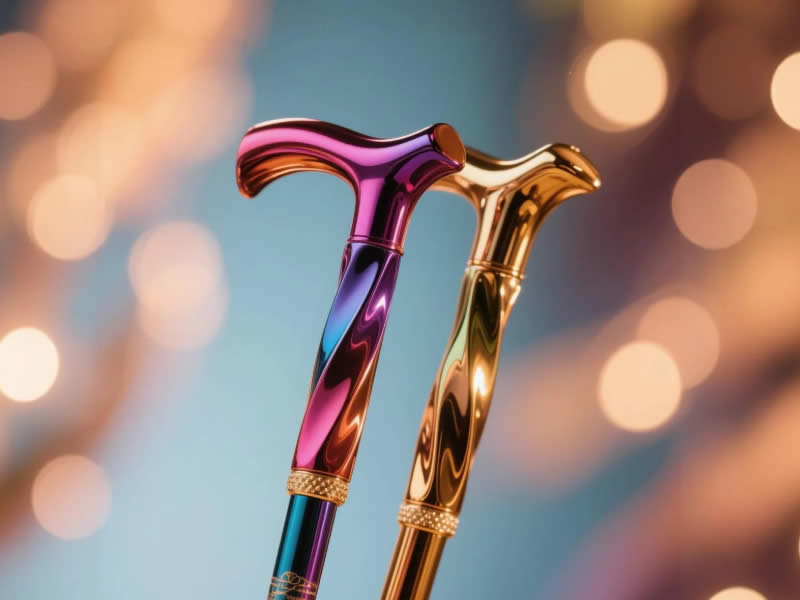
For most hikers, trekking poles are utilitarian tools—chosen for weight, durability, and price. But for a growing niche of outdoor enthusiasts, poles have become canvases for self‑expression, collectible art, and status symbols. Enter limited edition designer walking poles: small‑batch releases that combine high‑end materials, exclusive colorways, and sometimes collaborations with artists or fashion brands. These poles are not just for the trail; they’re for the Instagram shot, the gear closet, and the collector’s shelf. This article explores what makes a pole “designer,” which brands offer limited editions, whether they’re worth the premium, and how to get your hands on a pair.
Recommended trekking pole purchase link: https://s.click.aliexpress.com/e/_c4M7OWaN
What Defines a Limited Edition Designer Pole?
A standard trekking pole is mass‑produced, often in black or silver. A limited edition designer pole differs in several ways:
- Exclusive color schemes – Unique anodized shaft colors, custom grip hues, and contrasting straps not available in the regular lineup.
- Artist collaborations – Some brands partner with illustrators, graphic designers, or outdoor artists to create special graphics or patterns on the shafts.
- Numbered editions – Each pole may be individually numbered (e.g., “47/500”), adding collectible value.
- Premium materials – Higher‑grade carbon fiber, leather grips, or titanium components.
- Special packaging – Presentation boxes, certificates of authenticity, or included accessories (e.g., custom bags).
- Higher price – Typically 50–200% more than the standard version of the same pole.
Which Brands Offer Limited Edition Designer Poles?
Leki
Leki, the German pole giant, periodically releases special colorways of their popular models like the Makalu and Sherpa. For example, a “Copper Edition” or “Midnight Blue” run with matching straps and baskets. These are usually produced in batches of 500–1,000 pairs and sold through select retailers. Leki also collaborates with outdoor influencers for signature series.
Komperdell
Komperdell has experimented with designer collaborations in the European market. They’ve worked with Austrian textile designers to create poles with woven grip patterns and limited‑edition shaft graphics. Availability is often restricted to DACH countries (Germany, Austria, Switzerland) and specialty boutiques.
Guidetti
Guidetti, known for high‑end Nordic walking poles, offers a configurator that allows you to create a one‑of‑a‑kind design. While not strictly “limited edition,” the ability to mix over a dozen shaft colors, grip materials, and strap hues means you can effectively design your own unique pole. They also release seasonal “collections” with curated color palettes.
Cascade Mountain Tech (CMT)
CMT, a budget‑friendly brand, occasionally releases limited seasonal colors for their carbon fiber poles. For example, a “Summer Teal” or “Autumn Orange” run. These are not numbered but are produced in small quantities and sell out quickly. Prices remain affordable (under $100), making them accessible to casual hikers.
Black Diamond
Black Diamond has ventured into collaborations with apparel brands (e.g., Outdoor Research, Cotopaxi) for co‑branded poles. These feature unique color blocking and logos. Production runs are small and often sell out within days.
Boutique and Artisan Brands
Small makers like Pacerpole (UK) or Bâtons d’Alain (France) produce handmade poles in small batches. While not “limited edition” in the numbered sense, their low production volumes make each pair somewhat exclusive. Some offer custom engraving and hand‑painted designs.
Why Buy Limited Edition Designer Poles?
- Aesthetics – Stand out on the trail with colors and patterns that express your personality.
- Collectibility – For gear enthusiasts, owning a rare pair of poles is like collecting art or watches.
- Gift appeal – A limited‑edition pole makes a memorable, high‑end gift for a hiking‑loving friend or family member.
- Community – Owning a piece from a small run connects you to a niche of like‑ minded enthusiasts.
- Potential investment – Some limited editions appreciate in value if kept pristine, though the market is very small.
Drawbacks and Considerations
- Cost – Designer poles can cost $200–$500 or more, compared to $50–150 for standard poles of similar quality.
- Functionality – Often, the limited edition is purely cosmetic; the performance is identical to the regular version. You’re paying for looks.
- Scarcity – If you break a pole or lose a basket, replacement parts (especially color‑matched) may be impossible to find.
- Resale uncertainty – Unlike luxury watches, limited‑edition poles have a very illiquid secondary market. Don’t buy as an investment.
- Trail damage – Expensive, rare poles can cause anxiety; you may hesitate to use them on rocky terrain, defeating their purpose.
Where to Find Limited Edition Designer Poles
- Brand websites – Sign up for newsletters to get notified of upcoming drops.
- Specialty outdoor retailers – Stores like REI (US), Globetrotter (Germany), or Snowleader (France) sometimes receive exclusive colorways.
- Instagram and social media – Brands often announce limited editions via Instagram stories or posts. Follow Leki, Komperdell, and Guidetti.
- Outdoor trade shows – Events like OutDoor by ISPO sometimes feature prototype or show‑special poles that later become limited releases.
- Second‑hand markets – eBay, Facebook Marketplace, and GearTrade occasionally have past limited editions, often at inflated prices.
How to Spot a Genuine Limited Edition
- Serial number – Authentic limited editions are usually numbered (e.g., “XXX/500”).
- Certificate of authenticity – Included in the packaging.
- Special markings – Unique logos, laser‑etched signatures, or different font treatments.
- Packaging – Often comes in a premium box, not a standard cardboard sleeve.
- Retailer verification – Buy only from authorized dealers or the brand directly to avoid counterfeits (yes, fake trekking poles exist).
Are They Worth It?
For the average hiker: No. Standard poles perform identically at a fraction of the cost. For the style‑conscious, collector, or gift‑giver: Maybe. If you have disposable income and derive joy from owning beautiful, rare objects, a limited edition designer pole can be a source of pleasure. However, remember that poles are wear items; they will get scratched, muddied, and eventually wear out. If you can afford to treat them as art, go ahead. If you’re on a budget, spend your money on better boots, a lighter tent, or more trail food.
The Future of Designer Poles
As the outdoor industry embraces “gorpcore” (outdoor gear as fashion), we can expect more designer collaborations. Already, brands like Arc’teryx and Salomon have released limited‑edition footwear and apparel; poles are likely next. We may see poles designed by famous industrial designers (e.g., Yves Béhar) or fashion houses (e.g., Moncler, Gucci). Sustainability will also play a role: limited editions made from recycled or biodegradable materials could appeal to eco‑conscious collectors.
Final Thoughts
Limited edition designer walking poles occupy a tiny but passionate niche. They offer a way to express individuality, celebrate craftsmanship, and own a piece of outdoor culture. However, they are not for everyone. Before buying, ask yourself: Will you actually use them on the trail, or will they sit in a display case? If you hike for utility, stick with standard poles. If you hike for style and have the budget, a limited edition pair can add a splash of color to every step. Just be prepared for admiring glances—and the occasional scratch that will break your collector’s heart.




