




Learning to use Trekking Poles – online resources?
You’ve just bought your first pair of trekking poles. They look great, feel light, and you’re excited to hit the trail. But after a few clumsy steps – crossing the tips, tripping over your own feet, or feeling more awkward than stable – you realize that using poles properly is a skill. Fortunately, you don’t need an in‑person instructor. The internet is filled with excellent, free (and low‑cost) resources that can turn you from a pole‑fumbling beginner into a smooth, efficient trekker in just a few hours of practice. This guide curates the best online resources: YouTube channels, articles, short courses, and even virtual coaching.
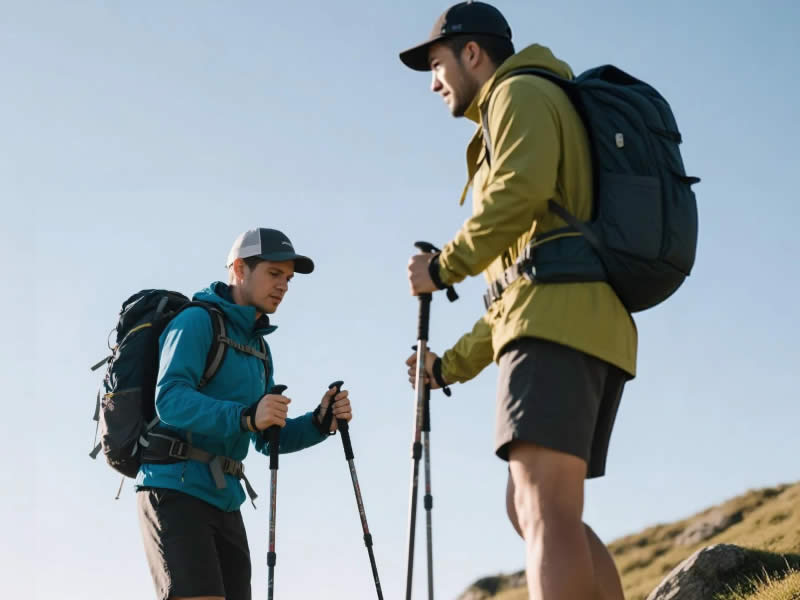
Recommended trekking pole purchase link: https://s.click.aliexpress.com/e/_c4M7OWaN
Why Learn Proper Technique?
Poor technique doesn’t just look awkward; it can cause shoulder strain, blisters, and reduced efficiency. Correct form – opposite arm/leg rhythm, proper strap use, correct pole length for terrain – transforms poles into knee‑saving, speed‑boosting tools. Good online resources break down these skills into simple, visual steps.
Best YouTube Channels for Trekking Pole Technique
YouTube is the fastest way to learn because you can watch, pause, and imitate.
1. REI (Recreational Equipment, Inc.)
REI’s channel has a classic, highly rated video: “How to Use Trekking Poles” (approx. 4 minutes). It covers:
- Adjusting pole height (wrist crease rule).
- Using wrist straps correctly (hand through from below).
- Opposite arm/leg rhythm.
- Shortening/lengthening for uphill and downhill.
- Rubber tip usage.
Why it’s great: Clear, slow demonstrations. No fluff. Perfect for absolute beginners.
2. Leki (Official Channel)
Leki, a leading pole manufacturer, offers detailed tutorials: “Leki – How to Use Trekking Poles Correctly” (approx. 6 minutes). It dives deeper into:
- The “trigger” strap system (Leki‑specific but generalizable).
- Planting angle (45 degrees behind the foot).
- Using poles for propulsion, not just balance.
Why it’s great: High production value, multiple camera angles, and tips from professional instructors.
3. Black Diamond
Black Diamond’s “Trekking Poles 101” (approx. 5 minutes) focuses on:
- Flip lock adjustment.
- When to use carbide vs. rubber tips.
- Pole maintenance (cleaning locks).
Why it’s great: Emphasizes safety and durability.
4. Nordic Walking UK
If you’re interested in Nordic walking (more upper‑body engagement), this channel has a series of short, focused videos. Search for “Nordic Walking Technique – Pole Plant” (approx. 3 minutes).
Why it’s great: Specialized for fitness walkers, not just hikers.
5. Other Useful Channels
- The Trek – A thru‑hiking blog with occasional technique videos.
- Homemade Wanderlust (Dixie) – Long‑distance hiker shares real‑world pole tips.
- Justin Outdoors – Backpacking tips including pole usage on steep terrain.
Best Written Guides and Articles
For those who prefer reading (or want to print a cheat sheet):
1. REI Expert Advice – “How to Use Trekking Poles”
A comprehensive, well‑illustrated article covering:
- Step‑by‑step adjustment.
- Walking technique on flat, uphill, downhill.
- How to use straps.
- When to remove rubber tips.
URL:REI.com/learn/expert-advice/trekking-poles.html
2. The Trek – “How to Use Trekking Poles: A Beginner’s Guide”
Written by an Appalachian Trail thru‑hiker. Includes:
- Common mistakes (reaching too far forward, death‑grip).
- Tips for rocky terrain.
- How to store poles on your pack.
URL:TheTrek.co (search “trekking poles beginner”)
3. OutdoorGearLab – “Trekking Poles – How to Use”
Part of their buying guide, but includes a solid technique section with photos.
URL:OutdoorGearLab.com (search “trekking poles how to use”)
4. Healthline – “How to Use Trekking Poles for Hiking and Nordic Walking”
A medically oriented article, good for seniors or those with joint concerns.
Online Courses and Structured Learning
If you prefer a structured, video‑based course with quizzes:
1. Udemy – “Trekking & Nordic Walking: Master the Poles”
Approx. 1 hour of video, covers basics to advanced techniques. Cost around $20–30 (often on sale for $10). Includes downloadable PDF summaries.
2. Skillshare – “Hiking with Trekking Poles: A Beginner’s Guide”
Shorter course (30 minutes), focused on practical outdoor scenarios. Subscription‑based or free trial.
3. Nordic Walking Academy (International Nordic Walking Federation)
Offers certified online modules for those wanting instructor‑level knowledge. More expensive ($50–100) but very thorough.
Virtual Coaching and Live Sessions
For personalized feedback without leaving home:
- Leki Virtual Fit & Technique – Some REI stores offer virtual 1‑on‑1 sessions ($20–30). You show your technique via webcam; an instructor gives real‑time corrections.
- Nordic Walking instructors – Many offer Zoom lessons. Search on INWA’s website for certified instructors who do remote coaching.
Free Mobile Apps
While no app is dedicated solely to pole technique, these can help you practice:
- Komoot – Has a “Technique” section with short tips.
- AllTrails – User comments often include pole‑related advice for specific trails.
How to Use These Resources Effectively
- Watch one short video (e.g., REI’s) before your first hike.
- Practice on flat ground for 15 minutes, focusing only on opposite arm/leg rhythm.
- Review a written guide to troubleshoot any discomfort (e.g., wrist pain = strap issue).
- After 2–3 hikes, watch a more advanced video (e.g., Leki’s) to refine uphill/downhill technique.
- If still struggling, consider a 30‑minute virtual session – it’s cheaper than buying new poles you won’t use.
Sample Learning Path for a Beginner
- Day 1: Watch REI’s “How to Use Trekking Poles” (4 min). Walk around a park for 20 minutes. Focus on opposite arm/leg.
- Day 2: Read REI’s expert article (10 min). Practice adjusting pole length for a gentle hill. Walk 30 minutes.
- Day 3: Watch Leki’s technique video (6 min). Pay attention to strap use. Hike 1 hour on varied terrain.
- Day 4: Review The Trek’s beginner guide. Try a rocky or rooty trail. You should feel much more confident.
Final Thoughts
Learning to use trekking poles correctly is not difficult, but it’s not intuitive for everyone. The good news: high‑quality, free resources are abundant. Start with REI’s YouTube video, then explore written guides from The Trek or OutdoorGearLab. If you want structured learning, Udemy courses cost less than a pair of cheap poles. And if you need live feedback, virtual coaching is surprisingly affordable. Within a few short practice sessions, you’ll move from clumsy to competent – and your knees, shoulders, and hiking speed will thank you. So don’t just strap on your poles and hope for the best. Invest an hour in learning from the experts online, and you’ll transform your hiking experience. Happy trails and happy learning.




