




When to upgrade from beginner Trekking Poles?
Your first pair of trekking poles served you well. They were affordable, forgiving, and helped you discover the benefits of four‑point hiking. But like any piece of gear, beginner poles have a lifespan. Knowing when to upgrade can save you from frustrating slips, uncomfortable grips, and even injury. This article outlines the clear signs that it’s time to move beyond entry‑level poles and invest in a pair that matches your growing skills and needs.
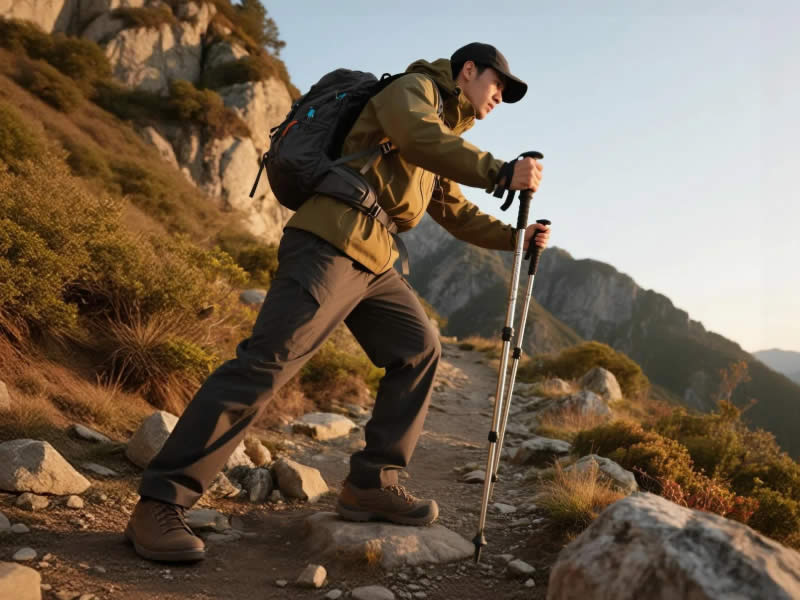
Recommended trekking pole purchase link: https://s.click.aliexpress.com/e/_c4M7OWaN
1. Locks That Slip or Fail
The most common failure point on budget poles is the locking mechanism. Beginner poles often use simple twist locks or cheap flip levers that loosen over time. You might find yourself stopping every mile to retighten a section, or worse, the pole suddenly collapses mid‑stride, causing you to stumble.
When to upgrade: If you’ve cleaned and adjusted the locks (tightening screws on flip locks) and they still slip under normal walking pressure, it’s time for new poles. Quality poles from brands like Leki, Black Diamond, or Komperdell have robust, reliable locks that stay tight for years.
2. Worn or Uncomfortable Grips
Beginner poles often have rubber or thin foam grips that degrade quickly. Rubber can become sticky in summer heat, causing blisters. Foam compresses and loses its cushion. You may also notice that the grip shape doesn’t fit your hand well, leading to fatigue or “death grip.”
When to upgrade: If your hands ache after a short hike, or the grip material is visibly cracked, peeling, or flattened, look for poles with cork grips. Cork molds to your hand, wicks sweat, and lasts much longer. Many mid‑range poles also offer ergonomic shapes that reduce strain.
3. Excessive Weight
Entry‑level poles are often heavy – 280–350 grams (0.6–0.8 lbs) per pole. While that may not seem like much, over a 10‑mile hike, you’ll lift those poles thousands of times. The fatigue accumulates in your shoulders, arms, and hands.
When to upgrade: If you find yourself taking frequent arm breaks or feeling shoulder soreness after hikes, consider lighter poles. Carbon fiber shafts can weigh as little as 150–200g per pole. Even mid‑range aluminum poles (around 220–250g) feel noticeably lighter than budget ones. You’ll hike longer with less upper body fatigue.
4. No Shock Absorption (and You Need It)
Many beginner poles lack any shock‑absorbing mechanism. For young, strong hikers, that’s fine. But if you have existing joint issues (knees, wrists, elbows) or you’re hiking on very hard surfaces (pavement, rock slabs), the constant impact can become painful.
When to upgrade: If you feel jarring in your wrists or elbows with every plant, look for poles with internal shock absorbers (e.g., Leki’s “Shock” series). These springs compress slightly on impact, reducing the shock transmitted to your joints. They add a small amount of weight but can make a big difference for seniors or those with arthritis.
5. Bent or Damaged Shafts
Aluminum beginner poles can bend if you jam them between rocks or fall on them. A slight bend might still be usable, but it weakens the pole and can affect locking. Carbon fiber poles (rare at beginner level) can crack.
When to upgrade: If any shaft section is visibly bent, kinked, or cracked, replace the pole immediately – a failure on a steep slope could cause a fall. Even if the bend is minor, it’s a sign that the pole’s structural integrity is compromised.
6. You’ve Outgrown the Features
Beginner poles are designed for occasional, low‑intensity use. As you become a more serious hiker – tackling longer distances, steeper terrain, or multi‑day backpacking trips – you may need features that budget poles lack:
- Adjustability range: Some beginner poles only adjust from 100–130 cm, which may be insufficient for very tall or short hikers.
- Interchangeable tips: Higher‑end poles let you replace worn carbide tips; many budget poles have molded tips that cannot be replaced.
- Compatibility with accessories: Need snow baskets? A camera mount? Better poles have standardized fittings.
- Foldability for backpacking: Beginner poles are usually telescoping (3 sections). For packing inside a backpack, folding Z‑poles are much more compact.
When to upgrade: If you find yourself wishing for a feature that your current poles don’t have – and you hike often enough to justify the cost – it’s time to move up.
7. You’ve Developed Specific Needs
As you gain experience, you may discover personal preferences:
- Grip shape: Some hikers love ergonomic, angled grips (e.g., Pacerpole); others prefer straight cork.
- Strap system: Leki’s Trigger system allows quick release – great if you frequently need free hands.
- Shock absorption on/off: Some poles let you turn the shock absorber off for climbing.
- Ultralight weight: For thru‑hiking, every gram counts.
When to upgrade: When you can articulate exactly what you want in a pole that your current pair doesn’t provide. Don’t upgrade just because a friend has a nicer brand; upgrade to solve a specific problem.
How Long Should Beginner Poles Last?
With moderate use (one or two hikes per month), a decent pair of aluminum beginner poles ($40–80) can last 2–3 years. With heavy use (weekly hikes), expect 1–2 years. If you hike in abrasive environments (sandy, salty, or muddy terrain), locks and tips wear faster.
What to Look for in Your Upgrade
When you decide to upgrade, consider these factors:
- Material: Carbon fiber for light weight; aluminum for durability and lower cost.
- Locks: Flip locks over twist locks, always.
- Grip: Cork is the gold standard. Foam is acceptable; rubber is not.
- Weight: Aim for under 230g per pole (aluminum) or under 180g (carbon).
- Repairability: Choose brands that sell replacement tips, baskets, and straps (Leki, Black Diamond, Komperdell).
- Budget: Expect to spend $100–200 for a significant upgrade.
Final Thoughts
Upgrading from beginner trekking poles is not about snobbery – it’s about matching your gear to your abilities and needs. When locks slip, grips wear, or weight becomes a burden, a better pair of poles will make hiking more enjoyable and safer. Listen to your body and your gear. If you’re hiking regularly and your beginner poles are showing their age, treat yourself to an upgrade. Your knees, shoulders, and trail smile will thank you.




