




Trekking Poles for wilderness therapy programs?
Wilderness therapy programs use outdoor experiences to promote personal growth, emotional healing, and behavioral change in adolescents and young adults. Participants often hike on rugged trails, carry packs, and navigate challenging terrain. Trekking poles can be a valuable tool in these settings – improving safety, reducing physical strain, and even serving as a metaphor for support and progress. However, not every pole is suitable for group therapy contexts. This article explores what program directors, guides, and therapists should look for when selecting trekking poles for wilderness therapy, including durability, safety, cost‑effectiveness, and therapeutic considerations.
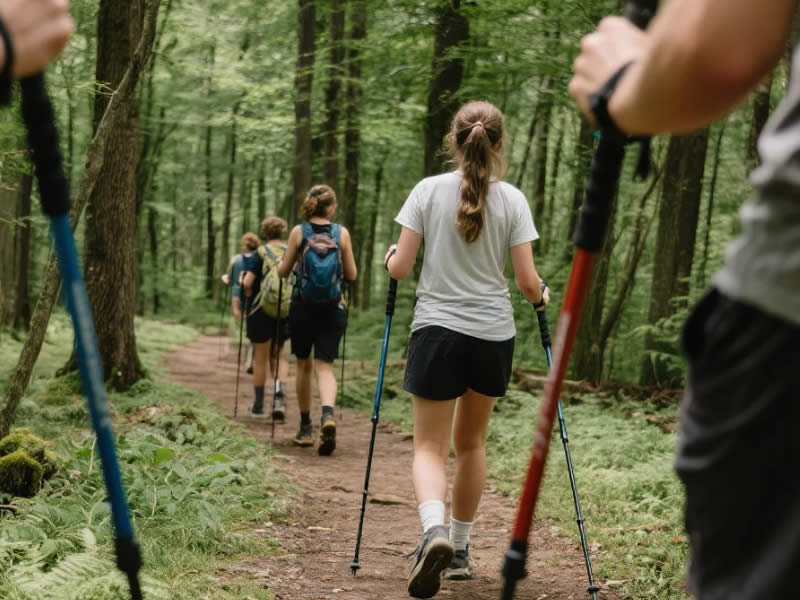
Recommended trekking pole purchase link: https://s.click.aliexpress.com/e/_c4M7OWaN
Why Trekking Poles Belong in Wilderness Therapy
Wilderness therapy participants may have low physical fitness, poor balance, or emotional distress that affects coordination. Trekking poles offer:
- Fall prevention – Four points of contact reduce slips on wet roots, loose rocks, or steep descents.
- Joint protection – Poles transfer weight from knees and hips to arms, allowing participants to hike longer with less pain.
- Confidence building – Mastering a new skill (correct pole use) provides a sense of achievement and control.
- Focus and mindfulness – The rhythm of planting poles can help regulate breathing and reduce anxiety.
- Metaphor for support – Guides often use poles as a teaching tool: “Just as these poles support you on the trail, you have people who support you in life.”
Key Features for Wilderness Therapy Programs
Programs typically buy poles in bulk (10–50 pairs) and lend them to participants. Therefore, poles must be:
1. Durable and Affordable
Participants may mistreat gear – dropping poles, jamming them between rocks, or using them as levers. Aluminum shafts are more forgiving than carbon fiber. 6061 or 7000 series aluminum is ideal. Budget‑friendly models (e.g., Cascade Mountain Tech, TrailBuddy) cost $40–70 per pair, making replacement economical.
2. Flip Locks (Lever Locks) – Not Twist Locks
Flip locks are easier for beginners to operate, especially with gloves or cold hands. They provide clear visual confirmation of being locked. Twist locks can be confusing and slip under load. For group settings, consistency matters – all participants should have the same lock type to simplify instruction.
3. Cork or Foam Grips – Avoid Rubber
Rubber grips become sticky in heat and cause blisters. Cork grips are comfortable, wick sweat, and fit a wide range of hand sizes. Foam grips are softer and cheaper, but they wear out faster. For a therapy program, cork is worth the small extra cost.
4. Rubber Tips (Paws) Mandatory
Carbide tips are sharp and can injure other participants if swung carelessly. They also make loud clicking noises on pavement, which can be overstimulating for some individuals. Rubber tips should be used at all times in group settings. They reduce injury risk, lower noise, and protect trail surfaces. Buy extra rubber tips in bulk (a 4‑pack per participant is wise).
5. Adjustable Length with Clear Markings
Participants vary in height. Poles should adjust from about 100–135 cm. Length markings (in cm) printed on the shaft help guides quickly set poles to the correct size (wrist crease rule). Bright markings are easier to read.
6. Simple Wrist Straps – No Quick‑Release Needed
Quick‑release straps (e.g., Leki Trigger) are nice but add cost and complexity. For therapy programs, standard padded, adjustable straps are sufficient. Teach participants how to use straps correctly (hand through from below). Remove straps if participants are at risk of entanglement (e.g., during river crossings or steep scrambles).
7. Bright Colors for Visibility
In a group, it’s easy to mix up poles. Bright colors (orange, red, yellow, blue) help participants identify their pair. They also make dropped poles easier to spot in the woods. Avoid black or camo.
Recommended Poles for Wilderness Therapy
Based on durability, cost, and ease of use:
- Cascade Mountain Tech Aluminum (cork grip) – ~$60 per pair, flip locks, cork grips, replaceable tips. Excellent value. Bulk discounts available for orders of 10+ pairs.
- TrailBuddy Trekking Poles – ~$55 per pair, cork grips, flip locks, includes rubber tips and carrying bag. Lifetime warranty.
- Leki Makalu (for programs with higher budget) – ~$140 per pair, more durable but more expensive. Best for long‑term use.
Safety Protocols for Using Poles in Therapy Groups
- Pre‑hike instruction (20 minutes): Teach adjustment, strap use, opposite arm/leg rhythm, and spacing (one pole length between hikers). Emphasize that poles are not toys, not for hitting, and not to be swung sideways.
- Rubber tips on at all times: Check before every hike.
- No wrist straps during high‑risk activities: For river crossings, steep scrambles, or when using hands for climbing, have participants remove straps or hold poles without strapping in.
- Pole checks during breaks: Guides should inspect locks for tightness and tips for wear.
- Spacing rule: Maintain at least one pole’s length between hikers to avoid stepping on tips or being poked.
- Evening maintenance: Clean mud from locks, dry poles, and check for damage.
Therapeutic Benefits Beyond Walking
Skilled wilderness therapists use poles as a therapeutic tool:
- Goal setting: “Today we’ll hike to that ridge. Your poles will help you get there, just like small daily goals help you reach bigger life changes.”
- Mindfulness: Focus on the sensation of the grip, the sound of the plant (with rubber tips, it’s soft), and the rhythm of breath.
- Teamwork: In pairs, participants can link poles to create a “bridge” or support each other on steep sections.
- Self‑care: Learning to adjust poles, clean them, and pack them properly teaches responsibility and attention to detail.
Bulk Purchasing and Logistics
Programs should contact manufacturers directly for bulk discounts. For example, Cascade Mountain Tech offers 15‑20% off for orders of 20+ pairs. Include spare rubber tips (at least one extra set per participant), extra baskets, and a few spare poles for replacements. Store poles in a dry, ventilated space. Use a simple check‑out system (label poles with numbers) to track which participant used which pair – useful for hygiene and damage tracking.
Hygiene Considerations
Poles are shared among participants. Clean grips and straps with disinfectant wipes between sessions (or at least between program groups). Cork grips can be lightly sanded to remove surface grime. Rubber tips can be washed with soap and water.
Final Thoughts
Trekking poles are a practical and therapeutic addition to wilderness therapy programs. They enhance safety, reduce physical barriers, and offer rich metaphors for growth and support. When selecting poles, prioritize aluminum shafts, flip locks, cork grips, rubber tips, and bright colors. Budget‑friendly models like Cascade Mountain Tech are ideal for bulk purchase. With proper instruction and safety protocols, poles will serve your participants well – helping them walk their own path toward healing, one steady step at a time.




