




Emotional attachment to favorite Trekking Poles?
For many hikers, trekking poles are more than aluminum or carbon fiber tubes with cork grips. They become silent partners, trusted companions, and living scrapbooks of adventures. Ask any long‑distance backpacker or daily trail walker about their favorite pair, and you’ll often hear stories—not about grams or lock mechanisms, but about the muddy creek they crossed, the summit they reached, or the fall that didn’t happen because the poles held firm. Emotional attachment to trekking poles is real, common, and entirely understandable. This article explores why we bond with these simple tools, how that attachment shapes our hiking experience, and why it’s okay to feel a little sad when it’s time to retire an old pair.
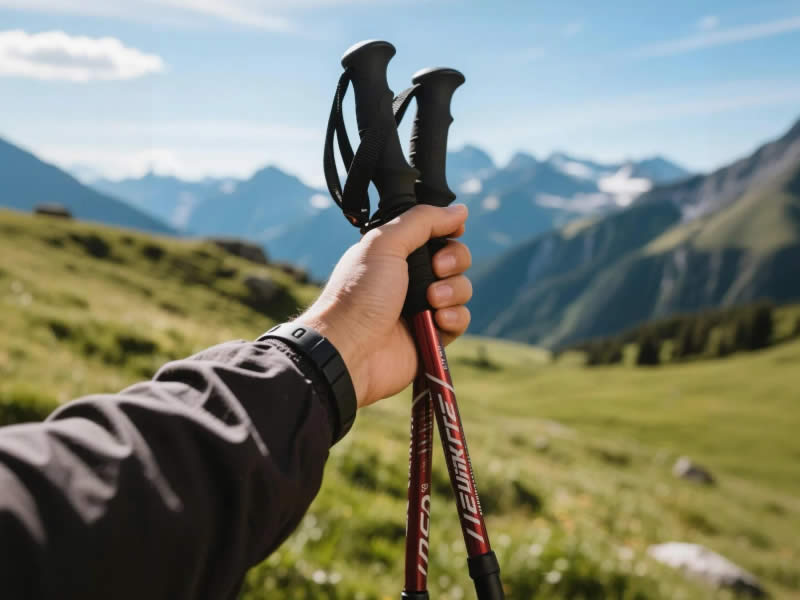
Recommended trekking pole purchase link: https://s.click.aliexpress.com/e/_c4M7OWaN
More Than Gear: The Psychology of Attachment
We form emotional bonds with objects that help us survive, achieve goals, or accompany us through meaningful experiences. Trekking poles tick all three boxes. They reduce physical strain, prevent falls, and make difficult terrain feel manageable. Over hundreds of miles, they become an extension of your body—your rhythm, your balance, your confidence.
Psychologists call this “extended self”: objects we incorporate into our identity. A worn cork grip that perfectly fits your palm is no longer just a grip; it’s a part of your hand. The scratches on the shaft are not blemishes; they are a map of your journeys. When you look at your poles, you don’t see a product; you see the Appalachian sunrise, the rocky descent in the rain, the laughter with friends at a shelter.
Stories Etched in Aluminum
Every scar tells a story. A deep gouge near the tip? That’s from jamming the pole between boulders to avoid a tumble on a steep scree field. A faded decal? That’s from years of UV exposure on sun‑drenched ridges. A slightly bent lower section? That’s from using the pole to pry a stubborn rock out of the trail—a moment of ingenuity when your friend slipped and you needed a quick brace.
Unlike a smartphone that becomes obsolete in two years, a good pair of trekking poles can last a decade or more. During that time, they witness your evolution as a hiker. The tentative first steps with poles on a flat rail trail. The proud, confident plant on a thousand‑mile thru‑hike. The quiet comfort of leaning on them while watching a sunset after a hard day. These memories become embedded in the metal.
The Reluctance to Upgrade
Ask any experienced hiker why they still use their old, heavy aluminum poles instead of a shiny new carbon fiber pair. Often the answer is, “These just feel right.” It’s not irrational. New poles may be lighter, but they don’t have the broken‑in grip. They don’t have the muscle memory you’ve built. They haven’t proven themselves in a thunderstorm at 10,000 feet.
Upgrading feels like betraying a friend. You worry the new poles won’t understand your stride, won’t have the same balance, won’t forgive a clumsy plant. And sometimes, you’re right. New poles require a break‑in period—not for the equipment, but for your brain. The familiar weight and flex of old poles are part of your proprioception. Changing them can temporarily degrade your performance and confidence.
When Attachment Becomes a Problem
Emotional attachment is healthy until it compromises safety. If your beloved poles have slipped locks, worn‑out tips, bent shafts, or cracked sections, they are no longer reliable. A fall caused by gear failure can end a hiking career. It’s important to distinguish between sentimental value and functional safety.
Some hikers keep their old poles as “retired” trophies—hanging them on a wall or using them for garden stakes—while buying a new pair for active use. This way, the memories stay, but the trail safety improves. Others pass their poles to a beginner, knowing that the poles will continue to create new stories with a new owner. That can be a satisfying way to honor the attachment.
Stories from the Trail
A Pacific Crest Trail thru‑hiker once wrote about her poles: “After 2,650 miles, the carbide tips were nubs, the cork grips were black with sweat, and the left pole had a permanent curve from when I used it to lever myself out of a creek crossing. I couldn’t throw them away. They live in my garage, and sometimes I just hold them and remember.”
A retired senior hiker shared: “My wife bought me these poles for our 30th anniversary. She passed away two years later. I’ve hiked over 5,000 miles with them. Every scratch is a day we didn’t get to have together, but also a day I felt her with me. I’ll never replace them.”
These stories are not rare. They speak to the deep connection between person, place, and tool.
How to Honor Your Old Poles
If you decide to retire your favorite poles, consider these options:
- Display them – Mount them on a wall or above a fireplace as art.
- Repurpose them – Use them as garden stakes, curtain rods, or walking sticks for local strolls.
- Donate them – Give them to a beginner or a youth program, knowing they will continue to support new hikers.
- Pass them on – If a friend or family member admires them, let them inherit the poles and their stories.
Embracing Attachment
There’s no shame in loving your trekking poles. They are tools, yes, but tools that have supported your body, your dreams, and your safety. In a world of disposable consumer goods, holding onto a pair of poles for a decade is an act of sustainability and sentiment. The next time you set out on a trail, take a moment to look at your poles. Remember the first hike. Remember the hardest climb. Give them a silent thank you. And then plant them forward—into the next adventure.
Final Thoughts
Emotional attachment to favorite trekking poles is not silly; it’s human. These simple sticks carry our weight, our memories, and our trust. They earn their scars, and we earn our love for them. So go ahead, feel that bond. Just remember that safety comes first. When the time comes to retire a faithful pair, honor them, thank them, and then let them rest. Your new poles will earn their own stories—and in time, you’ll love them too.




