




What is the difference between cork and foam trekking pole grips?
The grip is your only point of contact with the pole, so choosing the right material is crucial for comfort and control. Two materials dominate: natural cork and synthetic EVA foam. Neither is universally better – each has strengths and weaknesses. Here’s a head‑to‑head comparison to help you decide.
Recommended trekking pole purchase link: https://s.click.aliexpress.com/e/_c4M7OWaN
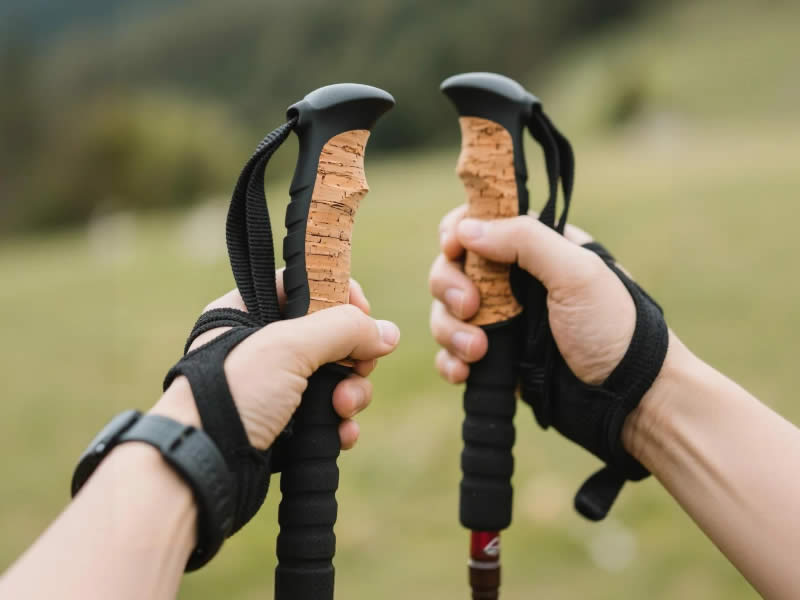
Cork grips – nature’s ergonomic solution
Cork is harvested from oak bark. It’s porous, breathable, and has unique properties:
- Sweat absorption: Cork wicks moisture away from your hand, staying grippy even on hot, sweaty days. This reduces blister risk and the need to constantly adjust your hold.
- Molding effect: Over time, cork compresses slightly to match the shape of your hand, creating a custom‑fit feel. This is especially valuable on long treks.
- Eco‑friendly: Cork is renewable, biodegradable, and has a low environmental footprint.
- Temperature: Cork feels neutral – not too cold in winter, not too hot in summer.
Downsides of cork: Slightly heavier than foam. Can crack if dried out (rare with regular use). More expensive. Not as warm as foam in freezing conditions.
Foam grips – lightweight and versatile
EVA (ethylene‑vinyl acetate) foam is a synthetic material. It has different advantages:
- Light weight: Foam is noticeably lighter than cork – often 10–20g less per grip. For gram‑counters, this matters.
- Warmth: Foam does not conduct heat away from your hands. In cold, wet weather, foam stays warmer and softer than cork.
- Extended grip options: Many foam grips come with a long, tapered section below the main grip, letting you choke up for steep climbs without adjusting pole length.
- Quick drying: Foam repels water; after a rain shower, it’s dry in minutes.
Downsides of foam: Poor sweat absorption – wet foam can become slippery (some models add texture to mitigate this). Less durable than cork; foam can tear or wear down after years of use. Does not mold to your hand. Some hikers find foam feels “cheap” compared to natural cork.
Which is better for your typical conditions?
- Hot, humid summer hiking (e.g., Alps, Black Forest in July): Cork wins. Sweaty hands stay secure, and the natural feel reduces fatigue.
- Cold, wet, or winter hiking: Foam wins. It stays warm and doesn’t become ice‑cold like cork can.
- Long‑distance thru‑hiking in mixed conditions: Cork is preferred by many PCT and AT thru‑hikers because of its long‑term comfort and sweat management.
- Budget‑conscious or lightweight racing: Foam is cheaper and lighter – perfect for trail running or short day hikes.
Hybrid grips – the best compromise
Many premium poles (e.g., Leki Makalu, Black Diamond Trail Pro) offer a cork‑foam hybrid: the main grip is cork, and below it is an extended foam section. This gives you cork’s sweat absorption for regular use and foam’s choke‑up versatility for steep climbs. It’s the ideal all‑around solution.
Final verdict
Choose cork for summer, sweat‑prone, or long‑distance hiking where comfort is paramount. Choose foam for winter, cold climates, or if you prioritise low weight and a warm grip. For most hikers facing varied conditions, a cork‑foam hybrid offers the best of both worlds. Test both in a store – hold each for five minutes. Your hands will tell you which material feels right.




