




What is the best way to pack trekking poles for air travel?
If you’re planning a hiking trip that requires flying, one of the most common questions is how to transport your trekking poles safely and legally. Trekking poles are often classified as “walking sticks” or “hiking poles,” and airline security rules can be confusing. The short answer: always pack trekking poles in checked luggage. But doing it carelessly can result in damaged poles or lost components. This guide covers the best practices, from collapsible poles to one-piece designs, ensuring your gear arrives intact and ready for the trail.
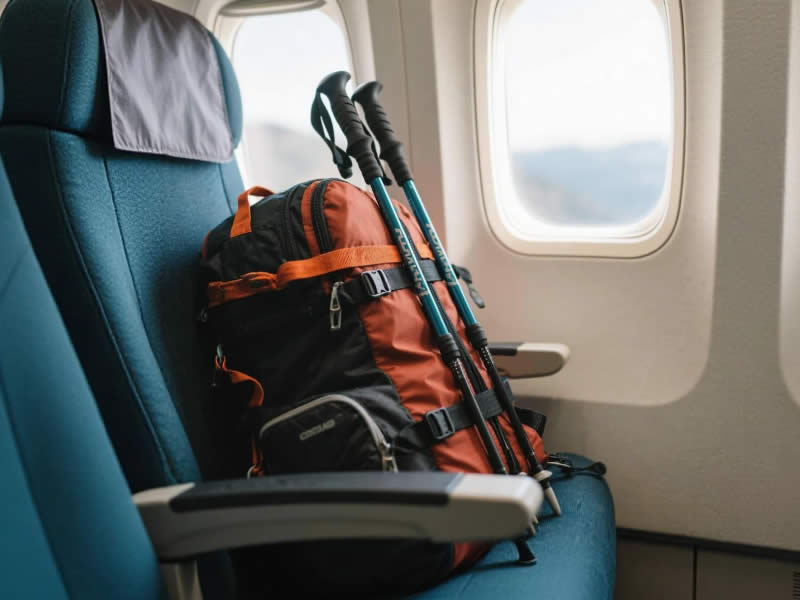
Recommended trekking pole purchase link: https://s.click.aliexpress.com/e/_c4M7OWaN
Why trekking poles are not allowed in carry-on luggage
According to TSA (USA) and most global aviation security agencies, trekking poles are prohibited in carry-on baggage. They are considered “blunt instruments” capable of causing injury – similar to baseball bats or ski poles. Even if the poles are collapsible and fit inside a carry-on suitcase, screeners will confiscate them at the checkpoint. You cannot argue or appeal; the poles will be thrown away or sent to storage (often costing more than the poles themselves). Therefore, checked luggage is mandatory.
Step 1: Choose the right packing method for your pole type
Trekking poles come in two main types: collapsible (telescoping) and folding (Z‑poles) . Each requires slightly different handling.
- Collapsible telescoping poles (e.g., Black Diamond Trail, LEKI Makalu): Fully collapse each section by loosening the locks and pushing the segments together. Do not force them – if they stick, gently twist while compressing.
- Folding Z‑poles (e.g., Black Diamond Distance Z, LEKI Micro Vario): Unclip the internal cord lock and fold the three segments into a bundle. Some models require pressing a button to release.
After collapsing, always secure the sections with the built‑in velcro strap or a rubber band. Loose sections can extend inside a bag and get bent.
Step 2: Protect the tips and baskets
The carbide tips and plastic baskets are vulnerable to snagging and snapping.
- Remove baskets if possible (most twist or pull off). Place them in a small ziplock bag.
- Protect the tips with rubber tip covers (often included with new poles) or wrap them in several layers of electrical tape. Alternatively, push the tips into a wine cork or a dedicated tip protector.
- Bundling: If you have two poles, lay them side by side with tips in opposite directions to distribute bulk. Secure them together with tape or gear ties.
Step 3: Choose a protective case or bag
Poles alone inside a soft‑sided suitcase can puncture fabric or get bent by heavier items. The best approach is a dedicated pole bag or improvised protection.
- Dedicated pole travel bags: Brands like LEKI, Black Diamond, and Osprey make padded sleeves for poles. These are lightweight and often fit inside a checked duffel.
- DIY alternatives:Use a cardboard tube (from wrapping paper or shipping) cut to length. Slide the poles inside, tape the ends.Use a PVC pipe with end caps – extremely durable but heavy.Wrap poles in a small towel or clothing, then secure with rubber bands.
- Ski bags: If you are also carrying skis, many ski bags have compartments for poles. Trekking poles are shorter, so you can slide them into a ski bag’s side pocket.
Step 4: Placement inside checked luggage
Never put loose poles directly into a checked bag. Follow this order:
- Collapse and bundle poles.
- Place bundled poles into a protective tube or padded sleeve.
- Position the tube in the middle of your suitcase, surrounded by soft items like clothing, sleeping bags, or towels. This cushions against impacts.
- Avoid placing heavy objects (boots, camera gear, water bottles) on top of the poles. If possible, put the pole tube against the suitcase’s rigid frame or back panel.
For hard‑shell suitcases, you can place the bundled poles diagonally to fit longer lengths (most suitcases are under 30 inches diagonally; collapsed poles are typically 14–20 inches).
Step 5: Check airline-specific rules
While TSA governs security, individual airlines have rules about checking “sports equipment.” Most treat trekking poles as regular checked items – no extra fee if within weight/size limits. However, some budget airlines (e.g., Ryanair, EasyJet) consider poles as “sports equipment” and may charge a fee. Always check:
- Size limit: Collapsed poles are usually under 22 inches (56 cm), well within standard checked bag dimensions.
- Weight: Two poles weigh about 300–500 grams each (0.7–1.1 lbs). Negligible.
- Prohibited items: Very few airlines ban trekking poles outright; but always verify.
What if you have no checked luggage?
If you are traveling light with only a carry‑on, you have limited options:
- Ship poles ahead to your destination (hotel, post office, or trailhead). Use a flat‑rate box – often cheaper than paying for a checked bag.
- Rent poles at your destination – many outdoor shops near national parks offer rentals for a few dollars per day.
- Buy cheap poles locally and donate them after the trip.
- Mail poles back home from the destination – but this is rarely cost‑effective.
Do not attempt to sneak poles through security. Confiscation is almost certain.
Step 6: Arrival and reassembly
After landing, unpack your poles and inspect for damage. Check that locking mechanisms still click securely. Extend and collapse each section once to ensure no sand or debris is jamming the locks. If a basket or rubber tip is missing, use a spare (always carry a few extras in your repair kit).
Common mistakes to avoid
| Mistake | Consequence |
|---|---|
| Packing poles in carry‑on | Confiscation at security |
| Not collapsing fully | Bent sections inside suitcase |
| Leaving baskets attached | Snapped baskets; poles scratch other gear |
| Placing poles on top of heavy items | Poles pushed against suitcase shell and bent |
| Forgetting tip covers | Punctured clothing or bag fabric |
The best overall method (proven by thru‑hikers)
After flying with poles over 50 times, the consensus among long‑distance hikers is:
- Use a hard‑sided checked suitcase (not a duffel). Hard shells protect poles from crushing.
- Inside the suitcase, place poles in a cheap padded rifle case (about $15–20). These are long, zippered, and have foam padding – perfectly sized for collapsed trekking poles.
- Surround the rifle case with puffy jackets or sleeping bags. This creates a shock‑absorbing sandwich.
Rifle cases are not suspicious – TSA sees them often. The padding is superior to any “trekking pole bag.”
Final verdict
The best way to pack trekking poles for air travel is to fully collapse them, remove baskets, protect tips, bundle, and enclose in a padded case inside a hard‑sided checked suitcase. Never put them in carry‑on luggage. If you have no checked bag, ship or rent poles at your destination. With this method, your poles will survive baggage handlers, conveyor belts, and turbulence – ready for the summit on the other side.




