




How to maintain trekking poles for long lasting use?
Trekking poles are an investment in your comfort and safety on the trail. A quality pair can last for years or even decades – but only with proper care. Neglect leads to seized locking mechanisms, corroded shafts, worn tips, and eventual failure at the worst possible moment. This guide covers everything you need to know to keep your poles functioning like new, hike after hike.
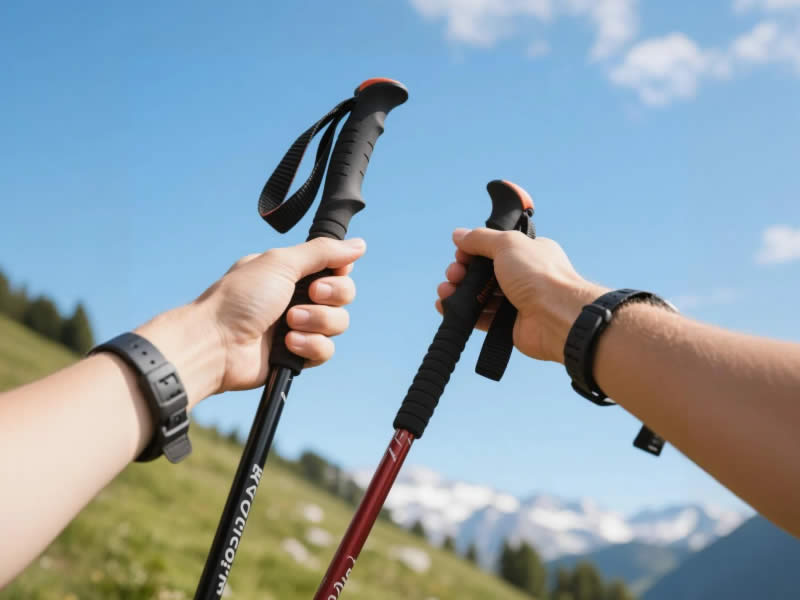
Recommended trekking pole purchase link: https://s.click.aliexpress.com/e/_c4M7OWaN
The golden rule: clean after every hike
Dirt, mud, sand, and salt are the enemies of trekking poles. Fine grit acts like sandpaper on telescoping sections, wearing down the anodized coating and causing locks to slip. Salt (from sweat or coastal hikes) corrodes aluminum and steel components.
After each use:
- Wipe down the entire pole with a damp cloth.
- For muddy poles, rinse with fresh water – but never submerge the grips or locking mechanisms fully (water can get trapped inside).
- Extend each section fully and wipe the inner shafts with a dry cloth.
- Pay special attention to the area just above the baskets; mud collects there.
Deep clean (monthly or after very dirty hikes):
- Disassemble the poles completely if possible. Most flick-lock poles allow you to remove the lower sections.
- Use a soft brush (old toothbrush works) and mild soap to clean inside the female sections.
- Rinse with fresh water and dry thoroughly before reassembling.
Locking mechanism care: flick-locks vs. twist-locks
Different locking systems require different maintenance.
Flick-locks (external cam locks)
These are the most durable and easiest to maintain. They consist of a lever, a bolt, and a cam.
- Periodically tighten the bolt – Over time, the lever becomes loose. Use a Phillips screwdriver to tighten the screw on the side of the lever. Do not overtighten; the lever should close with moderate resistance.
- Lubricate the pivot point – A tiny drop of silicone or bike chain oil on the lever hinge prevents squeaking and wear.
- Clean under the cam – Dirt can accumulate under the cam, preventing full clamping. Remove the bolt (careful not to lose small parts), clean, and reassemble.
Twist-locks
These are more prone to failure and require more frequent attention.
- Clean the inner expanding mechanism – Twist-locks have a plastic or metal expander inside. Remove the section, clean any dirt off the expander, and ensure it moves freely.
- Lubricate correctly – Spray a dry silicone lubricant on the inside of the outer tube and the outside of the inner tube. Never use grease or wet oil – they attract dirt.
- Replace worn expanders – Many twist-lock poles use a rubber or nylon expander that compresses over time. Replace every 1–2 years of heavy use.
Shaft care: preventing scratches and bends
Aluminum and carbon fiber shafts each have vulnerabilities.
- Aluminum shafts can dent or bend. Inspect for any bends – a bent pole should be replaced (it will fail under load). Small dents are generally safe but monitor for cracking.
- Carbon fiber shafts are brittle. Never clamp a carbon shaft in a vice or step on it. Inspect for splinters, cracks, or soft spots. Any damage requires immediate replacement.
Storage tips:
- Always store poles collapsed, never extended. Extended storage puts constant tension on locking mechanisms and can cause them to take a set.
- Store in a dry place. Wet storage promotes corrosion inside the joints.
- Do not leave poles in a hot car for extended periods – heat can degrade rubber grips and some plastics.
Tip and basket maintenance
The carbide tips wear down with use, especially on rocky trails.
- Check tip wear after every 100 miles (160 km) . When the carbide is visibly shortened or the steel housing is exposed, replace the tip. Many poles have replaceable tips that screw or press in.
- Replace baskets when cracked – Broken baskets won't prevent sinking in snow or mud. Most baskets twist off (some require a tool).
- Rubber tip covers (street caps) protect floors and tips during storage. Replace when torn.
Wrist strap care
Nylon straps absorb sweat and dirt, becoming stiff and abrasive.
- Hand wash straps with mild soap and water every few months. Air dry.
- Check stitching – Loose stitching can cause strap failure. Re-stitch or replace straps if frayed.
- Adjustment buckles – These can jam with dirt. Use a toothpick to clear debris.
Seasonal maintenance checklist
| Frequency | Task |
|---|---|
| After every hike | Wipe down, dry, collapse |
| Monthly | Tighten flick-lock bolts, clean twist-locks, check tip wear |
| Every 6 months | Deep clean, lubricate mechanisms, inspect for bends or cracks |
| Annually | Replace twist-lock expanders, wash straps, consider new tips |
Troubleshooting common problems
Pole won't lock / slips under load
- For flick-locks: Tighten the bolt. If still slipping, clean the shaft and inside of the outer tube.
- For twist-locks: Disassemble, clean expander, apply silicone spray. Replace expander if deformed.
Lever won't close or is too tight
- Loosen the bolt slightly. If the cam is worn, replace the entire lock mechanism (many brands sell replacement parts).
Twist-lock spins freely
- The expander has broken. Replace it.
Pole sections won't separate
- Twist and pull firmly. If stuck, apply penetrating oil to the joint and let sit overnight. Never use pliers on carbon fiber.
Rattling noise inside shaft
- A foreign object (dirt, a broken basket fragment) is inside. Disassemble and shake out.
When to replace vs. repair
- Replace tips – every 1–3 years depending on use.
- Replace baskets – as needed (they're cheap).
- Replace flick-lock levers or bolts – parts are available from brands like Black Diamond and LEKI.
- Replace a bent aluminum section – some poles have replaceable lower sections.
- Retire a carbon pole – if it shows any crack, splinter, or soft spot.
- Retire any pole – if the locking mechanism fails repeatedly or the shaft is severely bent.
Pro tip: the "shake test"
Once a month, extend your poles fully and shake them vigorously near your ear. Listen for rattles or clicking. Any loose sound indicates a problem – a loose screw, a cracked internal part, or debris. Investigate before your next hike.
Final thoughts
Maintaining trekking poles is not difficult – it takes five minutes after each hike and a deeper check every few months. But those few minutes translate into years of reliable service. A well-maintained pair of poles will glide smoothly, lock securely, and never fail when you need them most. Treat them as the essential tools they are, and they'll carry you up countless summits.




