




How to replace broken trekking pole tips?
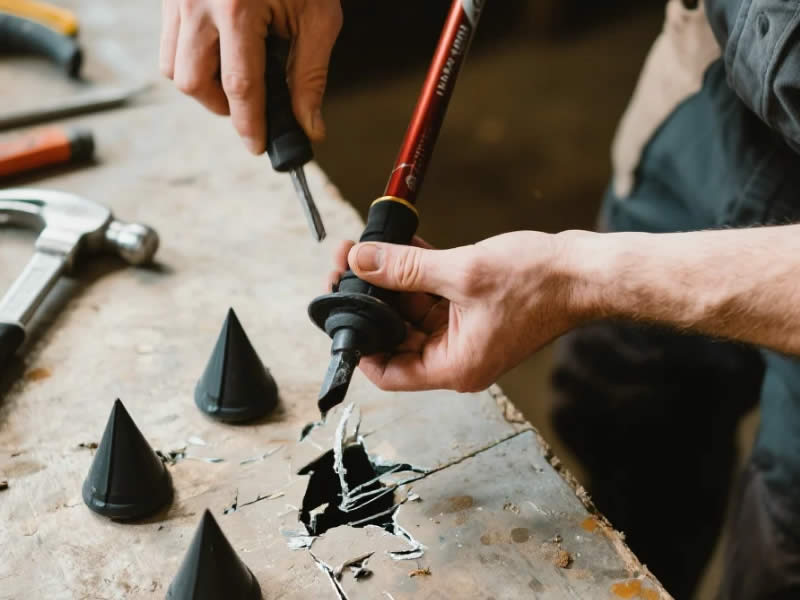
The carbide tip at the end of your trekking pole is its most important contact point with the ground. Over time, these tips wear down, crack, or break off entirely, leaving you with a pole that slips on rock or fails to bite into hard-packed trails. Replacing a broken tip is not only possible but usually straightforward – and it can extend the life of your poles by years. This guide covers everything you need to know, from identifying your tip type to the step‑by‑step replacement process.
Recommended trekking pole purchase link: https://s.click.aliexpress.com/e/_c4M7OWaN
First, determine your tip type
Most modern trekking poles use replaceable carbide tips. However, not all tips are the same. There are three common systems:
- Press‑fit / friction tips – The carbide tip is pressed onto a metal tenon at the end of the pole. These are the most common. Replacement requires pulling off the old tip and pressing on a new one.
- Threaded / screw‑on tips – The tip screws onto a threaded shaft. Less common but very easy to replace (just unscrew and screw on a new one).
- Molded / permanent tips – Found on very cheap poles. These cannot be replaced. If broken, you need new poles.
Check your pole manufacturer’s website or look for a small hex nut or threading near the tip. If you see threads, you have a screw‑on type. If you see a smooth metal stud, you have press‑fit.
Tools you will need
- Replacement tips – Buy tips designed for your pole brand (LEKI, Black Diamond, Komperdell, etc.) or universal tips (8mm or 10mm diameter are standard).
- Boiling water or a heat gun (low setting) – to soften the old tip’s plastic or glue.
- Pliers (slip‑joint or locking) – for pulling.
- Rubber mallet or a hammer with a wood block – for pressing on the new tip.
- Fine sandpaper or steel wool – to clean the metal tenon.
- Epoxy or grip glue (optional) – for extra hold on press‑fit tips.
Step‑by‑step for press‑fit tips (most common)
Step 1: Remove the old broken tip
If the tip is completely gone, you only see the metal stub. If part remains, you need to remove it.
- Heat water to a rolling boil and pour it into a heat‑safe cup. Submerge the tip end of the pole for 30–60 seconds. This softens any glue or plastic remaining.
- Grip the old tip with pliers (wrap the tip with a rag to avoid scratching). Twist and pull firmly. If it won’t budge, reheat and try again.
- If the carbide is gone but the plastic collar remains, you may need to split the plastic with a sharp knife or carefully cut it off. Avoid damaging the metal tenon.
Step 2: Clean the metal tenon
Once the old tip is off, you’ll see a metal stub (usually 8mm or 10mm diameter, with a slight taper or grooves). Use fine sandpaper or steel wool to remove any old glue, rust, or dirt. The tenon should be clean and smooth for the new tip to grip properly.
Step 3: Dry fit the new tip
Slide the new tip onto the tenon. It should go on about halfway with moderate hand pressure. If it’s too tight, sand the tenon slightly. If it’s too loose, you’ll need to use adhesive (see step 4).
Step 4: Apply adhesive (optional but recommended)
For a secure, rattle‑free fit, apply a small amount of epoxy or specialized grip glue (e.g., 3M DP420 or Gorilla Glue epoxy) to the tenon. Avoid using superglue – it’s too brittle. Some hikers skip glue and rely on friction alone; that works but the tip may come loose over time.
Step 5: Press the new tip on
Place the pole vertically on a hard surface (with the tip end down). Put the new tip over the tenon, then use a rubber mallet or a hammer with a wood block to tap the tip fully onto the shaft. Tap evenly – you should hear a change in pitch when it bottoms out. Do not hammer directly on carbide; use a wood block as a buffer.
Step 6: Let cure (if using glue)
If you used epoxy, let the pole sit for 24 hours before using it. Wipe away any excess glue that squeezed out.
Step‑by‑step for threaded tips
- Unscrew the old tip – Use your fingers or pliers. Some tips have a small hex flat; use a wrench if needed.
- Clean threads – Remove debris with a wire brush or toothpick.
- Apply anti‑seize or light oil (optional) – prevents future galling.
- Screw on the new tip – Hand‑tighten, then a quarter turn with pliers. Do not over‑tighten.
Where to buy replacement tips
- Brand‑specific tips – REI, Amazon, or direct from manufacturer (e.g., LEKI Tip Kit, Black Diamond Flextip).
- Universal tips – Many third‑party tips fit standard 8mm or 10mm shafts. Brands like “TrailBuddy” or “OutdoorMaster” offer packs of four for under $10.
- Salvage tips – Old poles can donate their tips if compatible.
How to know it’s time to replace
- The carbide ball or point has worn flat (less than 2mm of carbide remaining).
- The tip is cracked or missing chunks.
- The pole slips on rock or won’t stay planted on hard surfaces.
- You hear a clicking or rattling from the tip area.
Common mistakes to avoid
- Hammering without a block – You’ll shatter the carbide.
- Using too much glue – Excess can seep out and create a rough edge.
- Forcing a tip that’s too small – If it won’t go on after sanding, buy the correct diameter.
- Ignoring the basket – Remove the basket before heating or hammering to avoid melting it.
Pro tip: standard sizing
Most trekking poles use an 8mm or 10mm diameter tenon. To check, measure the metal stub with a ruler. 8mm is about 5/16 inch; 10mm is about 3/8 inch. When in doubt, buy universal tips that include both size adapters.
Final thoughts
Replacing a broken trekking pole tip is a simple, inexpensive repair that any hiker can do at home. With a pot of boiling water, a pair of pliers, and a few dollars for new tips, you can restore your poles to like‑new performance. Don’t throw away poles with worn tips – a 10‑minute fix saves you $50–150 and keeps functional gear out of landfills. And always carry a spare tip or two in your repair kit; they’re small and might save a trip if a tip breaks on day one of a week‑long trek.




