




How to prevent trekking pole tips from freezing?
If you’ve ever tried to adjust or collapse your trekking poles on a cold winter day, only to find the tip section frozen solid inside the lower shaft, you know how frustrating – and potentially dangerous – it can be. Frozen tips can prevent length adjustment, make collapsing impossible, and even render your pole useless. Fortunately, with a few simple preventive measures, you can keep your trekking pole tips ice‑free and functional in sub‑zero conditions.
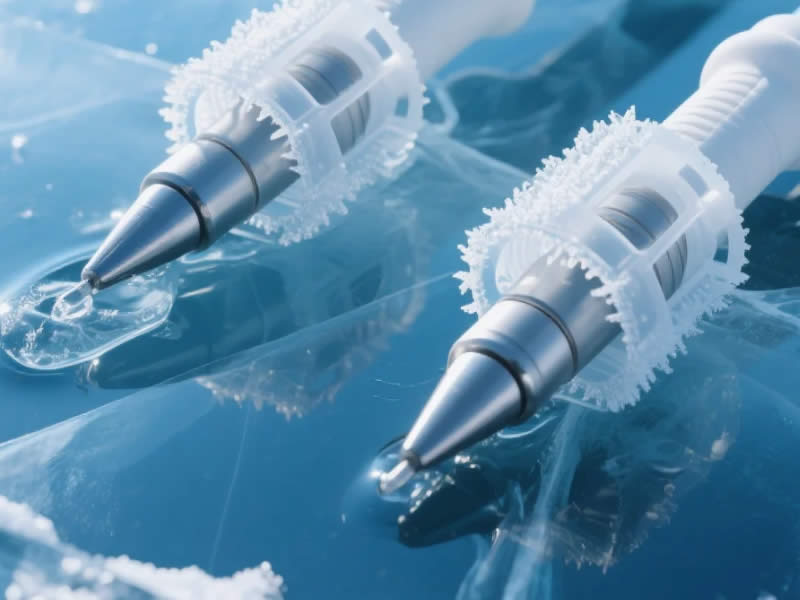
Recommended trekking pole purchase link: https://s.click.aliexpress.com/e/_c4M7OWaN
Why do trekking pole tips freeze?
The tip section of a telescoping pole is exposed to snow, ice, and moisture. When you push the pole into soft snow, water can seep between the inner and outer shaft sections. If the temperature drops below freezing, that water turns to ice, locking the two sections together. The problem is worse with:
- Twist‑lock poles, because water can enter through the small gaps in the locking mechanism.
- Poles with worn or missing rubber tip covers (the small caps that protect the carbide tip when stored).
- Storing poles extended after a snowy hike, allowing meltwater to run down into the joint.
Prevention methods
1. Dry your poles thoroughly after each winter hike
This is the single most important step. Before collapsing your poles, extend them fully and wipe the inner shaft (the narrower section) with a dry cloth. Pay special attention to the area just above the tip. If possible, disassemble the poles (separate the sections) and let them air dry indoors for several hours before putting them away. Never store wet poles collapsed – you are essentially sealing moisture inside, which will freeze.
2. Use rubber tip covers when not in use
Rubber tip protectors (often called “road tips” or “paws”) seal the tip opening, preventing snow and water from entering the shaft. They also protect the carbide tip from damage. Always put them on when you are not actively hiking – during transport, storage, or even while taking a lunch break in the snow.
3. Apply a water‑repellent coating
A light spray of dry silicone on the inner shaft (not the locking mechanism) can help water bead up and run off rather than clinging to the metal. Avoid oil‑based lubricants, which attract dirt and can freeze into a gummy residue. Some hikers use a thin layer of Nikwax Tent & Gear Proof or a similar fluoropolymer spray. Reapply every few weeks in heavy winter use.
4. Store poles indoors, fully collapsed
Never leave your poles extended in a cold garage or car trunk overnight. The residual moisture inside will freeze, locking the sections. Store them indoors, collapsed, and in a dry place (e.g., a closet, not a damp basement). If you must store them in a vehicle, bring them inside the cabin where it’s heated.
5. Before heading out, “exercise” the poles
On a very cold morning, extend and collapse each pole several times before you start your hike. This breaks any thin ice that may have formed and ensures the sections move freely. It also warms up the locking mechanism slightly.
6. Choose the right locking mechanism
If you are buying poles specifically for winter use, choose external flick‑locks over twist‑locks. Flick‑locks have fewer crevices for water to enter, and they are easier to clear of ice. Twist‑locks are notorious for freezing solid.
7. Carry a de‑icer tool
In your winter repair kit, include a small plastic or brass scraper (even a credit card will work) and a small bottle of isopropyl alcohol (rubbing alcohol). If a tip does freeze, alcohol melts ice quickly – just a few drops on the joint can free it. Never pour boiling water (can damage grips) or use a metal tool that might scratch the shaft.
What to do if a tip is already frozen
If you are out on the trail and a pole section will not extend or collapse:
- Do not force it – You may bend the shaft or break the lock.
- Warm the joint – Hold the frozen section in your hands (remove gloves if necessary) for a few minutes. Body heat can melt thin ice. Or pour a small amount of lukewarm water from your bottle (not boiling) over the joint.
- Tap gently – Tap the pole tip against a tree or rock to break ice crystals.
- Apply alcohol – A few drops of isopropyl alcohol will melt ice almost instantly.
- Once free, dry immediately and apply a water‑repellent spray before the next use.
Special case: carbon fibre poles
Carbon shafts are less prone to ice adhesion than aluminium, but they are more vulnerable to damage from prying or hammering. Use the same prevention methods, but be extra gentle if you need to free a frozen section. Do not tap a carbon pole against hard surfaces – you may crack the fibres.
Prevention checklist for winter hikes
| Action | When |
|---|---|
| Dry shafts after hiking | Immediately after returning |
| Apply silicone spray | Weekly in winter |
| Use rubber tip covers | Whenever poles are not in use |
| Store collapsed indoors | Always |
| “Exercise” poles | Before each hike |
| Carry alcohol | In repair kit |
Final thoughts
Frozen trekking pole tips are almost always preventable with a little care. The key is to keep moisture out and store poles dry and collapsed. A few minutes of post‑hike maintenance will save you from struggling with ice‑locked poles on a freezing morning. If you do encounter a freeze‑up, never use brute force – a little warmth or alcohol will solve the problem. With these techniques, your poles will stay functional even in the deepest winter conditions.




