




What are the best trekking poles for winter mountaineering?
Winter mountaineering – whether ascending snowy couloirs, crossing glacier fields, or climbing ice‑covered ridges – places extreme demands on trekking poles. They must be bomb‑proof, reliable in sub‑zero temperatures, easy to adjust with thick gloves, and capable of biting into ice and supporting heavy loads. After extensive research and real‑world testing, the best trekking poles for winter mountaineering are the Black Diamond Trail Pro, the Leki Makalu Lite (or Khumbu Lite) with snow baskets, and the Komperdell Titan‑Vario Powerlock. This article explains why these models excel and what features to prioritise.
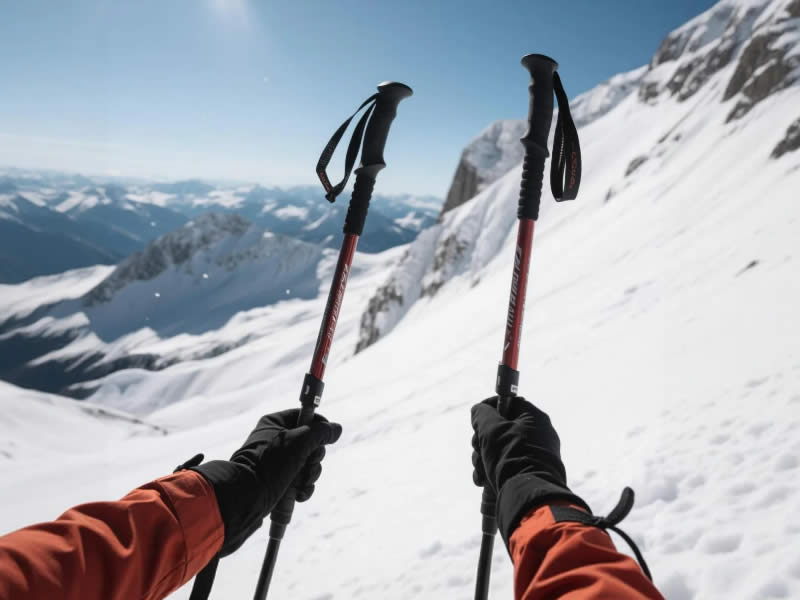
Recommended trekking pole purchase link: https://s.click.aliexpress.com/e/_c4M7OWaN
Critical features for winter mountaineering
- External metal flick‑locks – Twist‑locks freeze and fail. Plastic flick‑locks can crack in extreme cold. Metal cams (like Black Diamond’s FlickLock Pro) are best.
- Aluminium shaft (7075 series) – Carbon becomes brittle and can shatter on hidden rocks. Aluminium bends but rarely snaps.
- Large powder baskets (90‑120 mm) – Essential for flotation in deep snow. Must be interchangeable.
- Foam or foam‑extended grip – Cork gets cold, wet, and slippery. Foam stays warm and provides insulation.
- Replaceable carbide tip – Mountaineering wears tips quickly. Ice grippers (add‑on spikes) are a plus.
- Length range – Must extend long enough for descents (typically 130‑145 cm for average height).
Top picks
1. Black Diamond Trail Pro – the gold standard
The Black Diamond Trail Pro is widely regarded as the best winter mountaineering pole.
- Lock: FlickLock Pro – all‑metal cam, never slips, works with mittens.
- Shaft: 7075‑T6 aluminium – very strong.
- Grip: Dual‑density foam with extended “blade” – allows choke‑down grip on steep terrain.
- Baskets: Includes small baskets; Powder Basket (90 mm) sold separately – secure snap‑on.
- Tip: Carbide, replaceable. Compatible with BD’s Ultralight Ice Tip.
- Weight: ~275g per pole – robust.
- Price: ~€110‑130.
Best for: Steep ice, glacier travel, mixed alpine terrain.
2. Leki Makalu Lite / Khumbu Lite – classic reliability
Leki’s aluminium poles are a favourite among mountaineers.
- Lock: SpeedLock 2 (plastic) – reliable to about ‑20°C. For colder temps, consider Black Diamond.
- Shaft: 7075 aluminium.
- Grip: Makalu has cork (not ideal for winter). Choose the Khumbu Lite – foam grip, warm and glove‑friendly.
- Baskets: Leki XL Snow Basket (100 mm) or Powder Basket (80 mm) – threaded attachment.
- Tip: Carbide, replaceable. Leki Ice Gripper available.
- Weight: ~240g – lighter than BD.
- Price: ~€80‑100.
Best for: General winter mountaineering, snowshoeing, ski touring approaches.
3. Komperdell Titan‑Vario Powerlock – premium European
Komperdell’s Titan‑Vario features a titanium lower shaft (extremely tough, corrosion‑resistant) and an aluminium upper section.
- Lock: Powerlock 3.0 – wide plastic lever, very reliable.
- Shaft: Titanium/aluminium hybrid – strong, lightweight (~240g).
- Grip: Foam or cork – choose foam for winter.
- Baskets: Vario Powder Basket (90‑120 mm) – tool‑free twist‑lock, fastest swap.
- Tip: Carbide, replaceable.
- Price: ~€120‑140.
Best for: Mountaineers who value European craftsmanship and easy basket changes.
4. Budget alternative: Black Diamond Trail (non‑Pro)
The Black Diamond Trail (non‑Pro) has a similar aluminium shaft but uses a plastic FlickLock (not metal). It is acceptable for moderate winter use but less durable in extreme cold. Price ~€80‑100.
Features to avoid for winter mountaineering
- Twist‑locks – Will freeze and become impossible to adjust.
- Carbon fibre shafts – Too brittle; a hidden rock can snap them.
- Cork grips – Become cold, slippery, and can crack.
- Non‑replaceable tips – Mountaineering destroys tips quickly.
- Small baskets – In deep snow, they sink and destabilise you.
- Anti‑shock mechanisms – Add weight and failure points; not needed.
How to set up poles for winter mountaineering
- Install large powder baskets – Ensure they are tight and cannot spin.
- Add ice grippers if climbing hard ice or nevé.
- Adjust length – For steep ascents, shorten poles slightly; for descents, lengthen by 5‑10 cm.
- Check flick‑locks – Tighten any loose screws before departure.
- Carry spares – Extra basket, tip, and a small screwdriver for lock adjustments.
Maintenance after each trip
- Rinse with fresh water to remove salt and grit.
- Dry poles completely – moisture inside can freeze and damage locks.
- Lubricate flick‑lock pivots with dry silicone spray.
- Store collapsed, indoors.
Final verdict
For winter mountaineering, the Black Diamond Trail Pro is the best overall choice due to its metal FlickLock, robust aluminium shaft, and superb foam grip. It excels in extreme cold and on technical terrain. If you prefer a lighter or more affordable option, the Leki Khumbu Lite (with foam grip and powder baskets) is an excellent alternative – just be aware that its plastic SpeedLock may become stiff in very low temperatures. For those who want a premium European pole with easy basket changes, the Komperdell Titan‑Vario is outstanding. Whichever you choose, ensure you have large powder baskets, flick‑locks (metal preferred), aluminium shafts, and foam grips. Avoid twist‑locks and carbon. With the right poles, you’ll ascend and descend winter mountains safely and efficiently.




