




Do I need larger snow baskets for powder conditions?
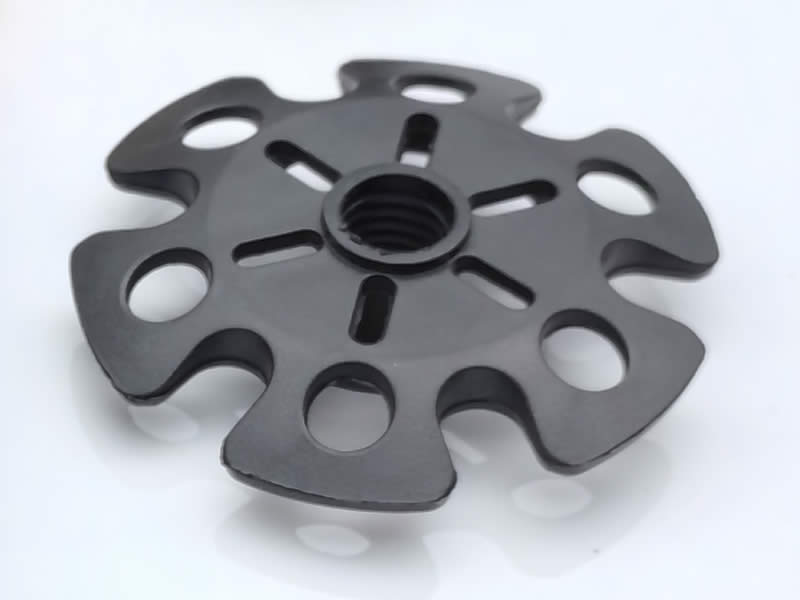
Yes, absolutely. If you plan to hike, snowshoe, or ski tour in deep powder snow (light, dry, and more than 20–30 cm deep), you need larger snow baskets – often called “powder baskets” or “winter baskets”. Standard trekking baskets (40–50 mm in diameter) are designed for mud, gravel, or hard ground; in powder, they will plunge deep into the snow with every plant, ruining your rhythm, exhausting your arms, and compromising your balance. This article explains why larger baskets are essential, what size to choose, and how to use them effectively.
Recommended trekking pole purchase link: https://s.click.aliexpress.com/e/_c4M7OWaN
The problem with small baskets in powder
A standard trekking basket has a small surface area – typically 40–50 mm across. When you plant your pole into snow, the basket’s job is to stop the tip from sinking too far. In hard or packed snow, a small basket works fine because the snow is dense enough to support it. But in light, fluffy powder, the snow offers little resistance. The result: your pole sinks 30–60 cm (12–24 inches) with each plant. This causes several problems:
- Loss of rhythm – You have to reach down much farther, slowing your stride.
- Increased arm fatigue – Lifting a pole buried deep in snow requires extra energy.
- Reduced stability – The deep sinkage can throw you off balance, especially on uneven terrain.
- Inefficient poling – You cannot push off effectively because the pole is too deep.
How large powder baskets solve the problem
Large powder baskets (70–120 mm diameter) act like a snowshoe for your pole. Their increased surface area distributes the load over a wider area of snow, preventing the tip from sinking more than 5–15 cm, even in deep powder. This keeps your pole near the snow surface, allowing a normal, efficient planting motion.
- Improved flotation – The larger the basket, the better the flotation. For waist‑deep powder, choose baskets of at least 90 mm.
- Reduced drag – Many powder baskets have an open or mesh design that allows snow to pass through, reducing suction when you lift the pole.
- Better stability – With the pole tip anchored just below the surface, you get a solid, predictable plant.
What size basket do you need?
| Snow condition | Recommended basket diameter |
|---|---|
| Packed snow, hardpack | 40–50 mm (standard) – fine |
| Shallow powder (<15 cm) | 50–70 mm – optional upgrade |
| Moderate powder (15–30 cm) | 70–90 mm – recommended |
| Deep powder (30–60 cm) | 90–120 mm – essential |
| Very deep powder (>60 cm) | 120 mm+ – specialty powder baskets |
Most brands offer “powder baskets” in the 80–100 mm range, which is sufficient for typical winter hiking and snowshoeing. For ski touring or extreme powder, some baskets go up to 120–140 mm.
Compatibility and installation
Before buying larger baskets, ensure they fit your trekking poles. Most major brands (Leki, Black Diamond, Komperdell, Cascade Mountain Tech) have interchangeable basket systems. Common attachment types:
- Snap‑on / press‑fit – Push the basket onto the shaft until it clicks (e.g., Black Diamond). Very quick.
- Threaded / screw‑on – Twist the basket onto threads above the tip (e.g., Leki’s older models). More secure but slower.
- Vario system (Komperdell) – A twist‑lock mechanism that allows tool‑free changes in seconds.
Always check the inner diameter of the basket matches your pole shaft (typically 10–14 mm). If you are unsure, look up your pole model on the manufacturer’s website or ask at an outdoor shop.
When can you use small baskets in winter?
Small baskets are acceptable only in the following conditions:
- Hard, compacted snow – Such as on groomed ski trails or after a thaw/freeze cycle.
- Shallow snow – Less than 10–15 cm, where your pole hits the ground quickly.
- Icy trails – Large baskets can actually lift the tip off the ice, reducing grip. In that case, remove the basket entirely or use a small one.
For anything resembling powder, swap to large baskets.
Misconceptions about large baskets
Some hikers worry that large baskets will create too much drag or make the pole “sticky”. Modern open‑design baskets minimise this issue. In very deep powder, a small amount of drag is inevitable, but it is far less exhausting than having to pull your pole out from half a metre of snow every step.
Another concern: large baskets can catch on tree branches or undergrowth. If you are hiking through dense forest with low snow cover, use small baskets. For open alpine terrain or snowfields, large baskets are fine.
How to switch baskets on the trail
If your hike transitions from packed snow to deep powder, you may want to swap baskets mid‑trip. Keep a spare set of large baskets in your pack. For snap‑on systems, the change takes 10 seconds per pole. For threaded systems, carry a small coin or multitool to unscrew the basket (though many can be turned by hand). Plan ahead: swap before you enter the powder zone.
Final verdict
Yes, you need larger snow baskets for powder conditions. Standard summer baskets will sink, fatigue you, and spoil your winter hiking experience. Invest in a pair of powder baskets (70–120 mm, depending on snow depth) that fit your poles. They are inexpensive (€10–20 per pair) and make an enormous difference in comfort and efficiency. Install them before heading into deep snow, and you’ll wonder how you ever managed without them.




