




How to pack trekking poles for international flights?
Traveling internationally with trekking poles can be stressful. Security regulations vary, but the golden rule is universal: trekking poles must go in checked luggage, never in carry‑on. However, simply tossing them into your suitcase risks damage to the poles or your other gear. This guide provides a step‑by‑step method to pack trekking poles safely for international flights, ensuring they arrive intact and ready for the trail.
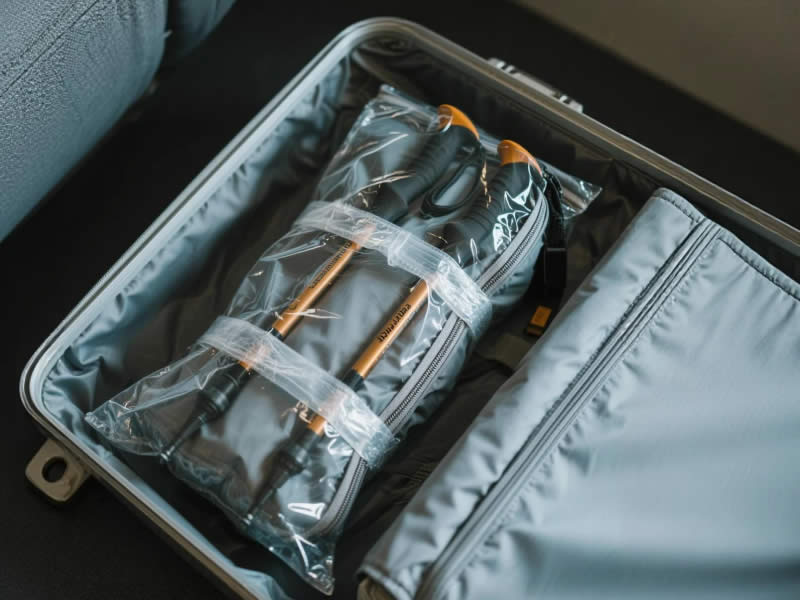
Recommended trekking pole purchase link: https://s.click.aliexpress.com/e/_c4M7OWaN
Step 1: Know the airline and country rules
Before packing, check your airline’s policy on sports equipment. Most major international carriers (Lufthansa, British Airways, Delta, Emirates, etc.) allow trekking poles in checked bags without extra fees, provided the bag weight and size limits are respected. However, some budget airlines (Ryanair, EasyJet, AirAsia) may classify poles as “sports equipment” and charge an additional fee. Always verify:
- Carry‑on: Never allowed (TSA, EASA, and most global agencies prohibit them as blunt objects).
- Checked baggage: Almost always permitted.
- Excess weight: Poles add ~500g to your bag; ensure you remain within your allowance.
Step 2: Prepare your poles
- Collapse telescoping poles fully: Extend them partially to release tension, then push each section completely down. Secure with the attached velcro strap or a rubber band.
- Fold Z‑poles: Unclip the cord lock and fold the three sections into a bundle. Secure with the built‑in strap.
- Remove baskets: Most baskets twist or snap off. Pack them in a small ziplock bag to prevent loss or breakage.
- Protect the tips: Carbide tips are sharp and can puncture clothing or bag fabric. Use rubber tip covers (often included) or wrap the tips with electrical tape or duct tape. Alternatively, push each tip into a wine cork – a cheap and effective hack.
Step 3: Choose a protective case or wrap
The poles need cushioning and structural protection inside your suitcase.
Option A: Dedicated pole sleeve (lightweight)
Many outdoor brands sell padded sleeves for trekking poles. Slide both poles into the sleeve, then place in your luggage.
Option B: Cardboard tube (free, effective)
Use a sturdy shipping tube (e.g., from wrapping paper or poster mailers). Cut it slightly longer than your collapsed poles. Insert the poles, seal the ends with tape, and label it. This prevents bending and keeps tips from poking through.
Option C: PVC pipe (ultimate protection)
For frequent fliers, cut a length of PVC pipe (diameter 25‑40 mm) to fit your poles. Cap both ends (one can be a screw cap). This is virtually indestructible but adds weight.
Option D: Wrap in clothing
If you don’t have a tube, wrap the poles in a thick towel, a puffy jacket, or several t‑shirts. Place them in the center of your suitcase.
Step 4: Position in your suitcase
- Hard‑shell suitcase: Place the wrapped poles diagonally or along the side, surrounded by soft items (clothes, sleeping bag). Avoid placing heavy boots or water bottles on top of them.
- Soft‑sided duffel: Use a PVC pipe or cardboard tube. Otherwise, the poles could bend if the bag is stacked under other luggage.
- Distribute weight: Keep the poles balanced so your bag doesn’t tip.
Step 5: Label and declare (if necessary)
If your poles look like a weapon on X‑ray (e.g., in a pipe), consider adding a note: “Trekking poles – sporting goods.” Not required, but can expedite inspection if your bag is opened. Some countries ask you to declare sports equipment; tick “yes” if asked.
What about packing poles as a separate sports item?
If you are also carrying skis or a large rucksack, you may check the poles as a standalone item. Use the same protective wrapping and tape them together. Attach a luggage tag with your contact details. Airlines often treat a pole tube as “sports equipment” and may charge a fee – check before check‑in.
Avoiding damage and confiscation
- Never put them in carry‑on – Even if they fit, security will confiscate.
- Remove loose parts: Baskets can snap; rubber tips can roll away.
- Don’t over‑tighten locks: Storing poles fully extended or with locks tight can deform the expanders. Keep them loose.
- Insure your gear: If you have expensive carbon poles, consider travel insurance that covers sporting equipment.
At your destination
After claiming your luggage, inspect the poles. Extend and collapse each section to ensure locks work. Reattach baskets and rubber tips. If any damage occurred (unlikely if packed well), you may be able to repair with spare parts or buy a replacement tip locally.
Summary checklist
| Task | Done |
|---|---|
| Check airline policy | ☐ |
| Collapse/fold poles | ☐ |
| Remove baskets (pack separately) | ☐ |
| Protect tips (rubber covers/tape/corks) | ☐ |
| Wrap poles in tube/clothing | ☐ |
| Place in checked suitcase, surrounded by soft items | ☐ |
| Keep a spare tip and small tools in your bag | ☐ |
Final advice
Packing trekking poles for international flights is straightforward once you follow these steps. The key is checked luggage only, tip protection, and anti‑bend reinforcement (tube or clothing). With minimal effort, your poles will survive baggage handlers, conveyor belts, and long‑haul flights – ready for your next mountain adventure. Safe travels!




