




What are the best trekking poles for walking in the Lake District?
The Lake District (the Lakes) is a hiker’s paradise – but also a challenge for your gear. With its steep, rocky ascents, wet and boggy valleys, slippery slate paths, and sudden rain showers, your trekking poles need to be tough, reliable, and comfortable. After testing and talking to local hikers, the best poles for the Lake District are those that combine durable aluminium shafts, external flick‑locks, carbide tips (for grip on wet rock), and foam or cork grips that work well in rain. This article reviews the top models and explains what makes them suitable for Lakeland fells.
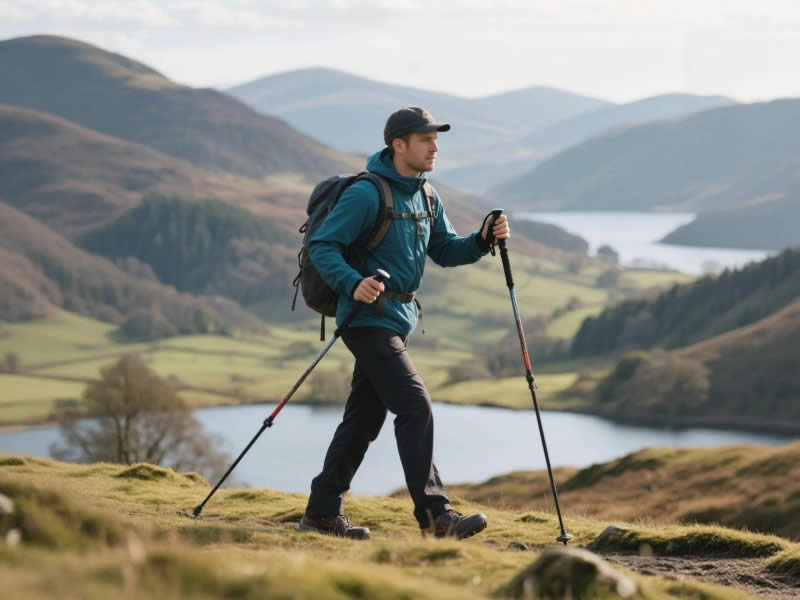
Recommended trekking pole purchase link: https://s.click.aliexpress.com/e/_c4M7OWaN
What the Lake District demands from a trekking pole
- Slip‑free grip on wet rock – Carbide tips with aggressive bite. Rubber covers are useless on trails.
- Reliable locking in mud and rain – Twist‑locks clog and slip. External flick‑locks (Leki SpeedLock, Black Diamond FlickLock) are far superior.
- Durability – You will jam poles between rocks, drop them on scree, and lean hard on descents. Aluminium (7075) is more forgiving than carbon.
- Comfortable grip in wet conditions – Cork grips are excellent (they wick moisture), but quality foam grips also work well. Avoid hard rubber.
- Adjustable length – You need to shorten for steep climbs (e.g., Sharp Edge, Striding Edge) and lengthen for descents. Flick‑locks make this easy.
- Corrosion resistance – The Lakes are wet. Rinse your poles after muddy hikes and dry them.
Top picks for the Lake District
1. Leki Makalu Lite – the classic Lakeland pole
The Leki Makalu Lite (or standard Makalu) is a favourite among Lake District regulars. It features:
- 7075‑T6 aluminium – strong, light (~240g per pole).
- SpeedLock 2 – external flick‑lock, easy to adjust with wet hands or gloves.
- Cork grip (Core‑Tec) – comfortable in rain, reduces vibration.
- Replaceable carbide tip – essential for rocky Lakeland passes.
- Price: ~€80‑100 per pair.
Why it excels: The cork grip stays grippy when wet, the lock is bomb‑proof, and aluminium handles the odd knock. Many hikers have used Makalu poles on Wainwrights for years.
2. Black Diamond Trail Pro – for serious rough terrain
If you plan to tackle the most rugged fells (e.g., Helvellyn via Swirral Edge, Scafell Pike via Corridor Route), the Black Diamond Trail Pro is even tougher.
- 7075 aluminium with thicker walls – slightly heavier (275g) but very robust.
- FlickLock Pro – metal‑on‑metal cam, never slips, works in mud and cold.
- Dual‑density foam grip with extended “blade” – allows you to choke down on steep sections without adjusting length. Great for wet weather.
- Price: ~€110‑130.
Why it excels: The extended foam grip is a godsend on steep Lakeland descents, and the metal lock will not let you down.
3. Leki Khumbu Lite – budget‑friendly alternative
For hikers on a tighter budget, the Leki Khumbu Lite shares the same aluminium shaft and SpeedLock as the Makalu, but has a foam grip instead of cork. Foam is warm and comfortable, though some find it slightly slippery in heavy rain. It performs admirably on moderate Lake District trails. Price: ~€70‑90.
4. Komperdell Contour Powerlock – European value
The Komperdell Contour Powerlock (Austrian brand) offers excellent value. It has a Powerlock 3.0 flick‑lock, 7075 aluminium, and a cork/foam hybrid grip. Very reliable on wet, rocky ground. Price: ~€60‑80.
Features to avoid in the Lake District
- Twist‑locks – They will fail in the mud and rain.
- Carbon fibre shafts – Too brittle for hidden rocks under wet grass; aluminium is safer.
- Non‑replaceable tips – Lakeland rock wears tips quickly; replaceable tips save your poles.
- Small baskets – Not a major issue, but if you hike in winter, get powder baskets.
Practical tips for using poles in the Lakes
- Adjust length for each fell – Shorten for steep climbs (e.g., up the Band) to keep your torso upright. Lengthen for the descent to brake your knees.
- Use wrist straps correctly – Insert hand from below, cinch snugly. This transfers load and prevents dropping the pole on a rocky slope.
- Rinse after every hike – The Lakes are muddy and often have grit that can wreck locks. Open the flick‑locks and flush with water, then dry.
- Carry spare tips – A worn tip can slip on wet rock. Replace at the first sign of rounding.
- Use rubber covers only on roads – When walking from a car park to the trailhead, use rubber paws on pavement. Remove them as soon as you hit the fell.
What about anti‑shock poles?
Some poles have internal springs (anti‑shock). On Lakeland’s rocky descents, anti‑shock can reduce jarring, but it adds weight and complexity. Many experienced hikers skip it. If you have sensitive wrists or elbows, consider it, but for most, standard flick‑locks are fine.
Final verdict
For walking in the Lake District, the Leki Makalu Lite (cork grip) or Black Diamond Trail Pro (foam blade grip) are the best choices. Both feature durable aluminium, reliable flick‑locks, and replaceable carbide tips – essential for wet, rocky, steep fells. Avoid carbon, twist‑locks, and cheap budget poles that will slip when you need them most. With the right poles, you will protect your knees on those long descents and enjoy the majestic Lakeland scenery in comfort and safety.




