




Aluminium vs carbon trekking poles: which is better for Scottish Highlands?
The Scottish Highlands are a breathtaking but brutal environment for hiking gear. With their sharp quartzite scree, slippery wet rock, deep bogs, and sudden weather changes, your trekking poles need to be as tough as the landscape. When choosing between aluminium and carbon fibre, the answer for the Highlands is clear: aluminium is the better choice for the vast majority of hikers. This article explains why the weight savings of carbon are overshadowed by the durability demands of Scotland’s mountains.
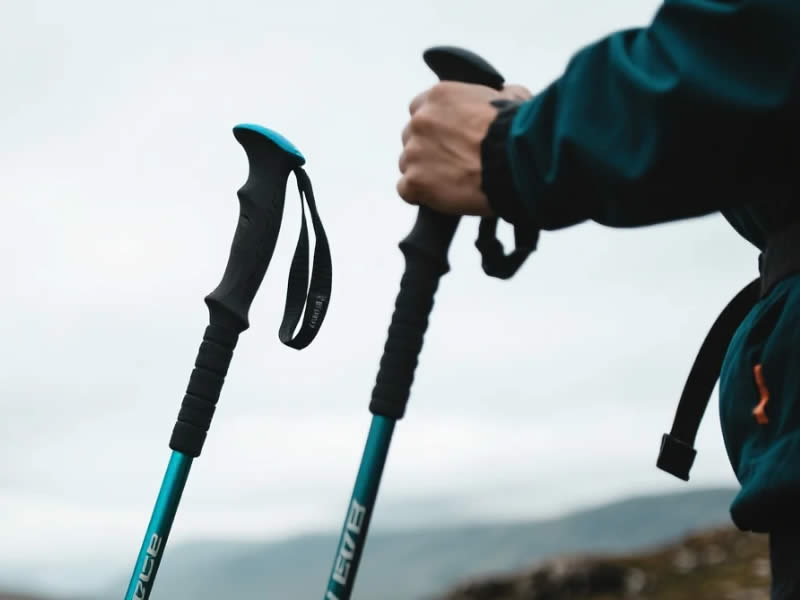
Recommended trekking pole purchase link: https://s.click.aliexpress.com/e/_c4M7OWaN
Why the Highlands are hard on trekking poles
The Highlands are not a manicured trail system. You will:
- Jam poles between boulders on a steep scree slope.
- Lean heavily on them while crossing a boggy rivulet.
- Drop them on sharp, unforgiving rock (often quartzite, which is harder than steel).
- Hike in continuous rain and mist, making grips slippery and locks vulnerable.
In these conditions, pole failure is not just an inconvenience – it could cause a fall that leads to injury. The choice of material matters.
Aluminium – the rugged workhorse
Pros:
- Ductility – 7075‑T6 aluminium bends under extreme force but rarely snaps. A bent pole can often be straightened (carefully) and still used for the rest of your trip.
- Impact resistance – When you accidentally plant a pole into a hidden crack, aluminium will dent, not shatter. This is critical on the rocky scrambles of the Cuillin or the Aonach Eagach ridge.
- Cost – Quality aluminium poles cost £60‑90, significantly less than carbon.
- Tried and tested – Countless Scottish winter and summer walkers have relied on aluminium poles (e.g., Leki Makalu, Black Diamond Trail) for decades.
Cons:
- Slightly heavier – typically 240‑280g per pole vs. 150‑200g for carbon.
- Can bend permanently if overloaded (but often repairable).
Carbon – the lightweight specialist
Pros:
- Low weight – Reduces arm fatigue on long, gentle approaches (e.g., the Lairig Ghru). This is a real benefit on multi‑day treks with many kilometres of walking before the rough sections.
- Stiffness – Provides a solid feel and good vibration damping on hard surfaces.
Cons:
- Brittleness – Carbon fails catastrophically when impacted. A hidden rock under wet grass can snap a carbon pole in two. In the Highlands, such hazards are everywhere.
- High cost – Expect to pay £120‑180 for a reliable pair.
- Not repairable in the field – A snapped carbon pole is garbage; you cannot splint it safely. With aluminium, you can sometimes bend it back or use it bent.
Head‑to‑head on specific Highland challenges
| Challenge | Aluminium performance | Carbon performance |
|---|---|---|
| Quartzite scree | Dents but survives | High risk of snapping |
| Wet rock | Carbide tip matters more than shaft | Same, but weight saving trivial |
| Bogs (soft ground) | Fine | Fine; low weight beneficial on long boggy sections |
| Scrambling (hands on rock) | Poles are stowed anyway | Same |
| Post‑fall survival | Might bend; usable | Likely snaps, unusable |
| Cold temperatures | No issue | Some resins become brittle below freezing |
Real‑world evidence from Scottish hikers
In online forums and outdoor magazines, the consensus among experienced Highland walkers is overwhelmingly for aluminium. Many share stories of carbon poles snapping on their first trip to Glen Coe or the Cairngorms. Aluminium poles, by contrast, often survive years of abuse, only needing new tips and occasional lock adjustments.
A typical comment: “I cracked a pair of carbon poles on the Buchaille Etive Mor scree. Replaced them with aluminium and haven’t looked back. The extra 100g per pole is irrelevant when you have confidence that they won’t snap.”
Weight difference – is it really meaningful?
The difference between a pair of aluminium (500g) and carbon (350g) poles is 150g – about the weight of a small apple or a cup of water. For a day hike in the Highlands, this is negligible. For a multi‑day backpacking trip, some might argue every gram counts, but the security of aluminium outweighs the tiny weight saving. If you are truly ultralight, you might accept the risk of carbon – but be prepared to replace them more often.
When might carbon still be acceptable in the Highlands?
- On well‑maintained, gentle trails – For example, the West Highland Way (mostly good path) or the Great Glen Way. The risk of sudden rock impact is lower.
- For trail runners who move fast and carry minimal gear – The weight saving is more relevant, and runners may be willing to accept breakage as a trade‑off.
- As a second, lightweight set for long approaches – But you would still want aluminium for the rough sections.
However, for classic Highland scrambling and remote mountain walking, carbon is a gamble.
Recommended aluminium poles for the Highlands
- Leki Makalu Lite – 7075 aluminium, SpeedLock, cork grip. A proven favourite.
- Black Diamond Trail Pro – Thicker‑walled aluminium, metal FlickLock, foam grip. Extremely durable.
- Komperdell Contour Powerlock – Good value, reliable lock.
All accept replaceable carbide tips and powder baskets (useful for winter snow).
Final verdict
For the Scottish Highlands, aluminium trekking poles are definitively better than carbon. They offer superior durability, repairability, and value – exactly what you need on sharp, wet, unpredictable terrain. The slight weight penalty of aluminium is a small price to pay for peace of mind. Unless you are a dedicated fastpacker sticking to low‑risk paths, choose aluminium. Your knees – and your poles – will survive the Highlands.




