




Are cheap trekking poles from Decathlon or Go Outdoors reliable?
If you are new to hiking or on a tight budget, stores like Decathlon and Go Outdoors offer trekking poles for as little as £15‑25 per pair. The question is: can you trust them on a muddy British hillside or a rocky Lake District path? The answer is yes – but only if you choose the right models. This article explains which cheap poles are reliable, which to avoid, and what features to look for.
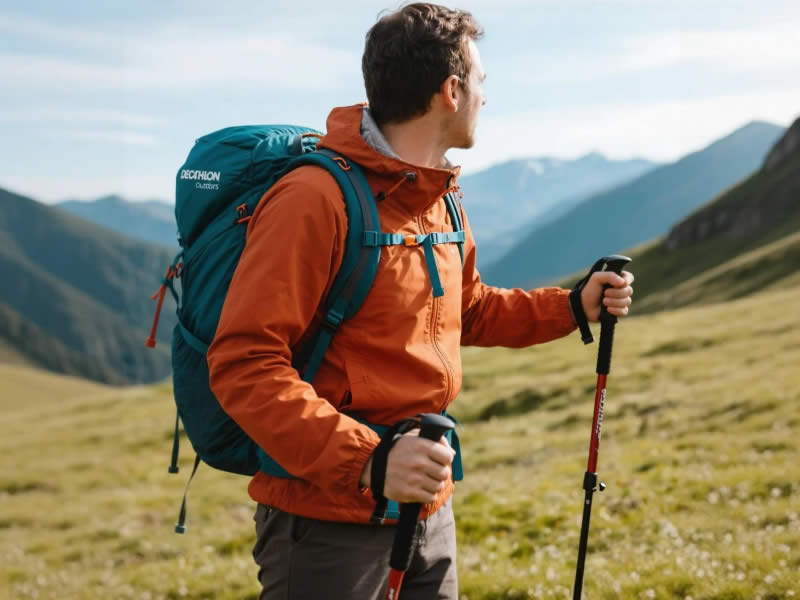
Recommended trekking pole purchase link: https://s.click.aliexpress.com/e/_c4M7OWaN
The good: Decathlon Forclaz MT500
Decathlon’s Forclaz MT500 (£35) is a genuine bargain. It features external flick‑locks (not twist‑locks), a 7075 aluminium shaft, a comfortable cork/foam grip, and replaceable carbide tips. These are the same components found on poles costing twice as much. Thousands of users report using them for multi‑day treks, including the West Highland Way and the Coast to Coast, with no failures. The flick‑locks hold securely even in mud and rain. For a cheap pole, this model is surprisingly reliable.
The bad: twist‑lock poles from both stores
Decathlon’s cheaper Quechua poles (e.g., Arpenaz 100, around £15) use twist‑locks. These are notoriously unreliable: they slip under load, clog with grit, and are hard to tighten properly. Similarly, Go Outdoors’ own‑brand Eurohike and Hi‑Gear poles often use twist‑locks or cheap plastic lever locks that break. These are not suitable for anything beyond a gentle stroll on flat, dry pavement. Avoid them.
Go Outdoors: hidden gems
Go Outdoors stocks brands like Highlander, Vango, and OEX. The Highlander Tiree Pro (around £40) has external flick‑locks and a decent aluminium shaft – many users rate it as good value. The OEX Nitro (around £45) is also a flick‑lock pole with a comfortable grip. However, the very cheapest Go Outdoors poles (under £20) are almost always twist‑locks or have flimsy levers – steer clear.
What makes a cheap pole reliable?
| Feature | Reliable | Unreliable |
|---|---|---|
| Locking mechanism | External flick‑lock (cam lever) | Twist‑lock or plastic push‑button |
| Shaft material | 7075 aluminium | Cheap steel or unbranded alloy |
| Tip | Carbide, replaceable | Fixed, soft metal |
| Grip | Cork or quality foam | Hard rubber or plastic |
| Baskets | Interchangeable, secure | Flimsy, fall off |
If a cheap pole has flick‑locks, a numbered 7075 aluminium shaft, and a replaceable carbide tip, it will likely last for years of weekend hiking.
Real‑world durability
The Decathlon Forclaz MT500 has been tested by long‑distance hikers on the Pennine Way and the South West Coast Path. One hiker reported completing a 630‑mile trek with no pole failures – only a worn tip replaced. In contrast, a £15 twist‑lock pole from a discount store slipped on the first steep descent, causing a fall. The difference is clear.
The bottom line
Cheap trekking poles from Decathlon or Go Outdoors can be reliable – but you must avoid twist‑locks and stick to models with external flick‑locks. The Decathlon Forclaz MT500 is the safest bet. At Go Outdoors, look for Highlander Tiree Pro or OEX Nitro. Spend £30‑45, not £15. With the right choice, your budget poles will serve you well on English hills, Welsh valleys, and Scottish glens. Skimp on the wrong design, and you risk injury. Choose wisely.




