




Should I choose cork or foam handle trekking poles for wet weather?
When you hike in wet conditions – whether it’s a drizzle in the Lake District, persistent rain in Snowdonia, or a misty morning in the Scottish Highlands – your trekking pole handle becomes a critical touchpoint. A slippery grip can lead to hand fatigue, blisters, or even a dangerous fall. The two most common handle materials are cork and foam (EVA) . So which is better for wet weather? The short answer: cork is superior. This article explains why, and when foam might still be acceptable.
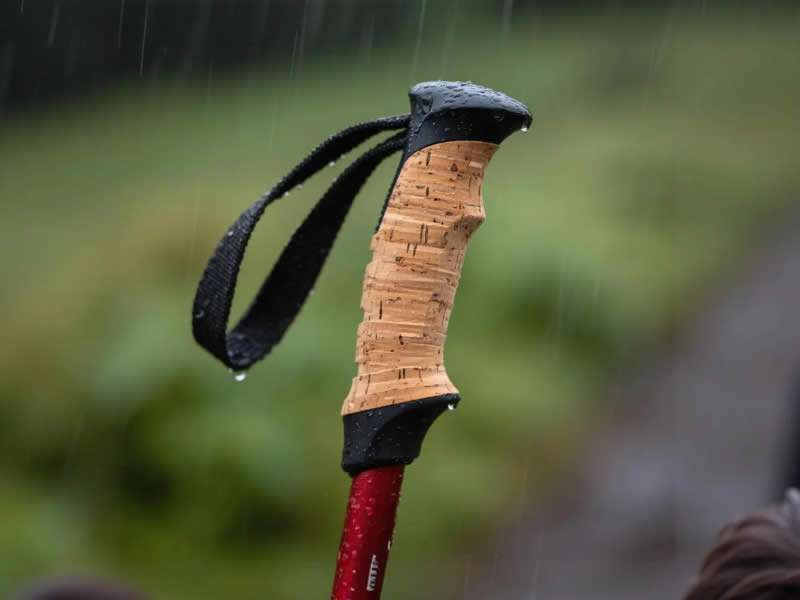
Recommended trekking pole purchase link: https://s.click.aliexpress.com/e/_c4M7OWaN
Cork handles – the wet‑weather champion
Cork has natural properties that make it ideal for rainy conditions:
- Moisture wicking – Cork absorbs small amounts of moisture from your hand, keeping the surface relatively dry. It does not become slimy or slippery when wet.
- Excellent wet grip – Even when soaked, cork retains significant friction. The microscopic structure of cork creates a textured surface that grips well.
- Moulds to your hand – Over time, cork compresses slightly to fit your palm shape, increasing contact area and reducing the need to grip tightly.
- Insulating – Cork feels warm in cold rain and remains comfortable in summer showers.
The only potential downside is that cheap or poorly sealed cork can degrade if constantly soaked, but quality cork grips (e.g., Leki’s Core‑Tec, Black Diamond’s cork blend) are treated to resist water absorption and rot.
Foam handles – the fair‑weather friend
Foam (EVA) grips are lightweight, soft, and comfortable in dry conditions. However, in wet weather they show significant weaknesses:
- Water absorption – Foam is porous. In a downpour, it soaks up water like a sponge. A waterlogged grip becomes heavy, cold, and slippery.
- Loss of friction – Wet foam offers very little grip. You will find yourself squeezing harder to compensate, leading to hand fatigue and potential cramping.
- Slow drying – After a rainy hike, foam grips take a long time to dry out, and if left damp, they can develop mildew or an unpleasant odour.
- Cold in winter – Wet foam loses its insulating properties and can become uncomfortably cold.
The one advantage of foam in wet conditions is that it does not become as hard as cork can when frozen. If you are hiking in near‑freezing rain or snow, some foam grips maintain a bit more pliability. But for pure rain, cork wins.
Head‑to‑head comparison in rain
| Property | Cork | Foam (EVA) |
|---|---|---|
| Grip when wet | Excellent – natural friction | Poor – becomes slick |
| Water absorption | Low (treated cork resists) | High – sponges water |
| Comfort in cold rain | Good – warm feel | Poor – cold and clammy |
| Drying time | Fast | Slow |
| Long‑term durability in wet | High if quality | Lower – can crack after repeated wetting and drying |
What about rubber grips?
Rubber handles (e.g., on some budget poles) are not recommended for wet weather. Rubber becomes extremely slippery when wet and lacks breathability, leading to sweaty hands in warm rain.
The verdict for rainy UK and alpine conditions
For hikers who regularly face wet weather – which is most of the UK – cork handles are the clear choice. They provide reliable grip, do not become waterlogged, and remain comfortable for hours. Brands like Leki (Makalu, Khumbu with cork option), Black Diamond (some cork models), and Komperdell offer excellent cork grips.
When foam might be acceptable
Foam grips can work in wet weather if:
- You wear gloves (thin liner or cycling gloves) that provide their own grip.
- The rain is light and intermittent, giving the foam time to dry.
- You are on a short hike where hand fatigue is less of an issue.
- You prefer the weight savings of foam (cork is slightly heavier).
For dedicated winter hiking or cold‑rain conditions, some hikers choose foam because it feels less hard than frozen cork. However, modern cork blends remain flexible enough for most temperatures.
How to care for cork grips in wet weather
Cork does need some care to last:
- After a wet hike, wipe the grips dry with a cloth.
- Do not leave poles soaking in water.
- Occasionally apply a cork sealant (e.g., Nikwax Cork Grip Proof) to maintain water resistance and prevent drying out.
Foam grips should be rinsed and squeezed out to remove trapped water, then air‑dried thoroughly.
Final recommendation
For any hiker who regularly encounters rain, mist, or wet trails, choose cork handles. They offer superior wet grip, comfort, and durability. Foam is best reserved for dry climates, very lightweight applications, or for use with gloves. When you are pressing down on a pole in a downpour on a slippery slope, you will be thankful for the natural grip of cork. Make the investment – your hands and safety will benefit.




