




Is Leki Makalu or Khumbu better for rugged Welsh footpaths?
When tackling the rugged, rain‑lashed footpaths of Wales – from the rocky ridges of Snowdonia to the muddy, boggy Offa’s Dyke – your trekking poles face a relentless test of grip, durability, and reliability. Two of Leki’s most popular aluminium models, the Makalu and the Khumbu, are often compared. They share the same robust shaft and locking mechanism, but differ in one crucial area: the grip material. For the wet, muddy, and often steep conditions of Welsh footpaths, the Leki Makalu (with its cork grip) is the better choice. Here’s why.
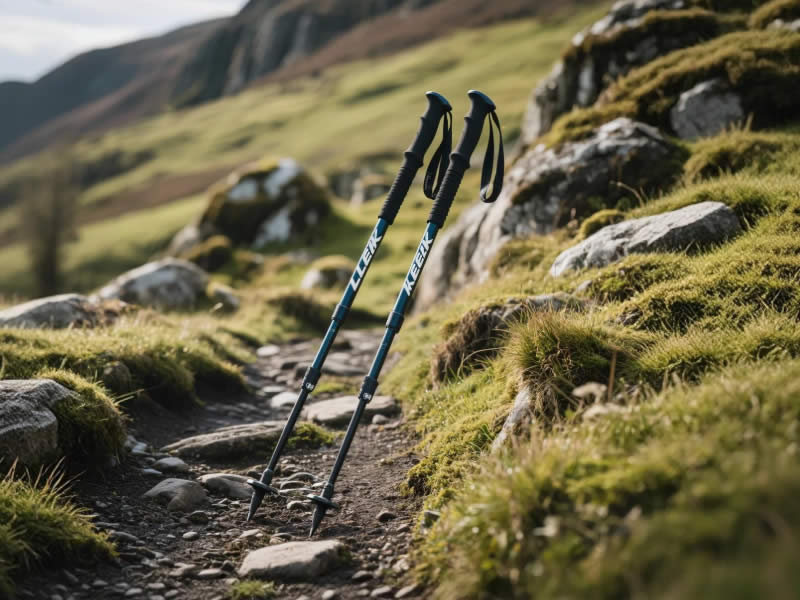
Recommended trekking pole purchase link: https://s.click.aliexpress.com/e/_c4M7OWaN
The core difference: cork vs. foam
- Leki Makalu: Features a cork grip (Leki’s Core‑Tec cork/rubber blend). Cork is naturally porous, wicks moisture away from your hand, and provides excellent friction even when soaking wet.
- Leki Khumbu: Uses an EVA foam grip. Foam is lightweight, warm, and comfortable in dry conditions. However, when saturated with rain or sweat, it can become slippery and may absorb moisture, leading to a cold, clammy feel.
Why the Makalu wins on rugged Welsh footpaths
1. Superior wet‑weather grip
Wales is famously rainy. The Makalu’s cork grip does not become slick when wet. Instead, the natural texture of cork maintains a secure hold, reducing the need to squeeze tightly. This is especially valuable on steep descents where a slipped grip could lead to a fall. The Khumbu’s foam, while comfortable in dry weather, can become treacherously smooth when saturated after an hour of drizzle.
2. Moulds to your hand over time
Cork has the unique ability to compress slightly, conforming to the shape of your palm and fingers. After a few Welsh outings, the Makalu grip feels custom‑fit, reducing hot spots and fatigue. Foam does not mould in the same way; it remains uniform and may even compress unevenly over years.
3. Less water absorption
Cork is naturally water‑resistant and dries quickly. Foam is more sponge‑like; it can absorb water from rain or your own perspiration, becoming heavier and less pleasant to hold. On a long Welsh winter day, this difference is noticeable.
What the Makalu and Khumbu share – still excellent
Both poles use the same 7075‑T6 aluminium shaft – strong, lightweight (approx. 240g per pole), and perfectly capable of withstanding the sharp gritstone of the Glyders or the slate of the Llanberis path. Both feature the SpeedLock 2 external flick‑lock, which is easy to clean after muddy hikes and reliable in wet conditions. Both have replaceable carbide tips (essential for rocky Welsh trails) and accept large powder baskets for boggy sections.
When might the Khumbu be preferable?
The Khumbu’s foam grip is warmer in cold conditions and softer on the hands for those with arthritis or sensitive palms. In dry summer, there’s little difference. However, for the typical Welsh footpath – which can be wet, muddy, and slippery even in July – the Makalu’s cork is the safer, more comfortable option.
Real‑world testimony from Welsh hikers
Many experienced walkers in Snowdonia and the Brecon Beacons swear by the Leki Makalu. Comment: “I switched from foam to cork years ago after nearly losing my grip on a wet scramble. The Makalu has never let me down in the Welsh rain.” Another: “My Khumbu poles are fine for dry summer days, but when the mist comes in, I prefer the cork.”
Practical recommendations
- For year‑round Welsh hiking (recommended): Leki Makalu Lite – the cork grip gives you confidence in all weather.
- For budget or dry‑terrain only: Leki Khumbu Lite – still a good pole, but be aware of its limitation in wet conditions.
- If you already own the Khumbu: You can improve wet grip by wearing thin liner gloves (e.g., fleece or cycling gloves) or by adding grip tape.
Maintenance for Welsh conditions
After a muddy Welsh walk, rinse both poles (cork or foam) with fresh water. Cork grips should be allowed to air dry; avoid soaking. Foam grips should be squeezed out and dried thoroughly to prevent mildew.
Final verdict
For rugged, wet, muddy Welsh footpaths, the Leki Makalu is the better choice. Its cork grip provides superior traction in the perpetual damp that defines Welsh hiking. The Khumbu is a fine pole for fair‑weather or winter cold (when worn with gloves), but for those who hike in the rain – which is most of the time in Wales – the Makalu’s cork offers genuine safety and comfort benefits. Invest the few extra pounds; your hands will thank you on every descent.




