




What are the benefits of carbon fibre trekking poles over aluminium?
Carbon fibre trekking poles have gained a strong following among weight‑conscious hikers, fastpackers, and long‑distance backpackers. While aluminium poles remain the rugged, affordable workhorse, carbon fibre offers several distinct advantages that can transform your walking experience – especially on long, steep, or fast days. This article explores the key benefits of carbon fibre over aluminium, helping you decide whether the upgrade is right for you.
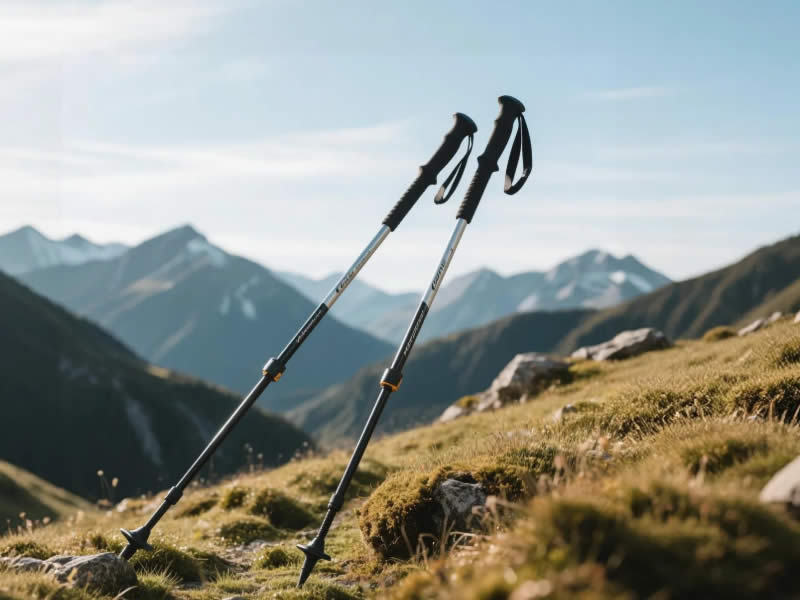
Recommended trekking pole purchase link: https://s.click.aliexpress.com/e/_c4M7OWaN
1. Significantly lighter weight
The most obvious benefit is weight. A typical pair of aluminium trekking poles (e.g., Leki Khumbu Lite) weighs around 480‑550 g (240‑275 g per pole). A quality carbon fibre pair, such as the Black Diamond Distance Carbon Z, weighs just 330 g per pair (165 g per pole). That’s a saving of 150‑220 g (roughly 5‑8 oz) – the weight of a small power bank or an extra water bottle.
For day hikers, this difference may be negligible. But for thru‑hikers covering 30‑50 km per day, or trail runners lifting poles thousands of times per hour, every gram saved reduces arm fatigue and improves efficiency. Lighter poles also make packing for flights easier, as they contribute less to baggage weight limits.
2. Superior vibration damping
Aluminium transmits hard impacts directly to your hands and wrists. Carbon fibre, because of its composite structure, absorbs and diffuses vibrations much more effectively. On rocky descents or frozen ground, this damping effect reduces jarring and hand fatigue. For hikers with arthritis or sensitive wrists, carbon poles can make a significant comfort difference.
The material’s natural stiffness also provides a solid, responsive feel without the “ping” or hollow resonance that some aluminium poles produce.
3. Reduced arm fatigue over long distances
The combination of lower weight and better vibration damping leads to lower cumulative muscle stress. Studies on walking efficiency have shown that using lightweight poles can reduce energy expenditure by 5‑10% on steep terrain. While not a dramatic difference for a short walk, over a 12‑hour day in the mountains, the saving translates to fresher arms and shoulders – and better overall stamina.
Fastpackers and ultralight backpackers often report that switching from aluminium to carbon poles allows them to hike longer into the evening with less upper body soreness.
4. Stiffer, more efficient power transfer
Carbon fibre is stiffer than aluminium. When you push off on a steep climb, a carbon pole flexes less, meaning more of your arm force goes directly into propelling you upward. This improved mechanical efficiency is especially noticeable on long, sustained ascents. Aluminium poles, while still good, have a slight “spring” that can waste a small amount of energy.
For competitive trail runners or Speedgoat‑style hikers, this stiffness translates to better rhythm and faster climb times.
5. No corrosion (carbon lasts longer in salt and wet environments)
Aluminium can corrode – white powdery aluminium oxide appears when the protective anodised layer is scratched, especially in saltwater or acidic bog conditions. Carbon fibre is chemically inert; it does not rust or oxidise. For coastal hikers (e.g., the South West Coast Path) or those who walk in high‑peat areas (Scottish Highlands), carbon poles will never show corrosion.
6. Better packability (folding designs are common)
Many carbon fibre poles use folding (Z‑pole) designs, which collapse to just 38‑45 cm – far shorter than telescoping aluminium poles (which usually collapse to 65‑70 cm). This makes carbon poles much easier to stow in a running vest, a small daypack, or a checked suitcase. While aluminium folding poles exist, carbon’s high strength‑to‑weight ratio allows for thinner walls and even tighter pack sizes without sacrificing stiffness.
Where carbon poles fall short (honest mention)
To give a balanced view, it’s worth noting the trade‑offs:
- Brittleness: Carbon can snap under a sharp impact (e.g., jamming between rocks), whereas aluminium bends. Carbon failures are often catastrophic; aluminium bends can sometimes be straightened.
- Higher cost: Good carbon poles cost £100‑180, while excellent aluminium poles are £35‑90.
- Fixed length on many models: Many folding carbon poles are not adjustable, limiting their versatility on steep, variable terrain.
- Not ideal for heavy loads: For hikers carrying 15‑20 kg packs, the risk of snapping carbon is higher; aluminium is more forgiving.
Who benefits most from carbon?
- Trail runners and fastpackers – ultra‑light, quick deployment, low arm fatigue.
- Long‑distance thru‑hikers – cumulative gram savings and vibration damping help over 2,000+ miles.
- Hikers with wrist or arm pain – reduced vibration and weight ease symptoms.
- Coastal and boggy terrain walkers – no corrosion worries.
Final verdict
The benefits of carbon fibre trekking poles over aluminium are real and significant: lighter weight, less vibration, less arm fatigue, stiffer feel, and no corrosion. For the niche of fast, weight‑conscious, or long‑distance hikers, carbon is a justifiable upgrade. For weekend day walkers on rocky trails or those on a tight budget, aluminium remains a perfectly capable, more durable, and far more affordable choice. Choose based on your hiking style, not just the spec sheet.




