




Do magnetic locking systems exist on trekking poles and are they reliable?
You may have seen magnetic fasteners on running vest straps or backpack hip belts and wondered: could magnets be used to lock trekking poles? The short answer is no, magnetic locking systems do not exist on mainstream trekking poles, and they would not be reliable for this application. Here’s why magnets are unsuitable for trekking pole locks and what you should use instead.
Recommended trekking pole purchase link: https://s.click.aliexpress.com/e/_c4M7OWaN
Why magnets cannot work as a primary lock
Trekking pole locks must resist two types of forces: vertical compression (your body weight pushing down) and lateral/sideways stress (when the pole is jammed between rocks or planted at an angle). A magnet’s holding force is limited by its strength, size, and the gap between attracting surfaces. Even the strongest neodymium magnets would struggle to hold a 100 kg dynamic load without slipping or separating.
- Shear force weakness: Magnets are strongest in direct pull (pulling them apart). They are much weaker in shear (sliding sideways). Trekking pole locks experience significant shear forces.
- Impact sensitivity: A sudden plant or a bump can cause a magnetic connection to break momentarily – exactly when you need the lock to hold.
- Debris and gap sensitivity: Dirt, sand, or even a tiny air gap dramatically reduces magnetic holding power. Trekking poles get muddy and dirty.
- Safety risk: If a magnetic lock failed, the pole would collapse instantly, potentially causing a fall. Mechanical locks (lever or twist) provide positive engagement that can be visually verified.
Are there any magnetic features on trekking poles?
Yes, but only as secondary features, not as the main locking mechanism:
- Magnetic pole keepers or toggles: Some running vests have small magnets to hold folded poles against the chest strap. These are for storage, not locking.
- Magnetic tips? No.
- Magnetic locking levers? Some experimental designs exist, but none have reached commercial production due to reliability concerns.
What about quick‑release magnetic straps?
Some trekking pole straps (e.g., Leki’s “Trigger Shark” system) use a magnetic buckle to attach the strap to the grip. This is for convenience (quick strap removal), not for locking the pole length. The actual pole adjustment still relies on a mechanical lever lock.
Why you should stick with proven mechanical locks
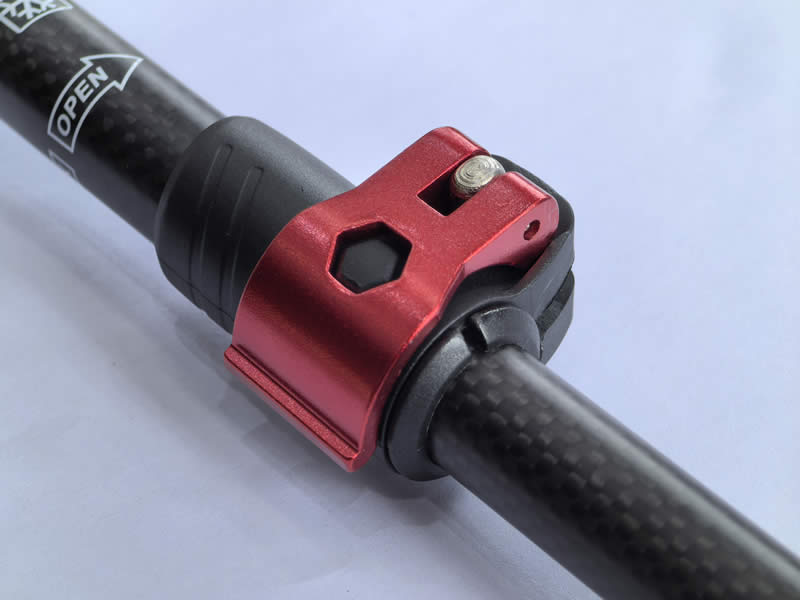
- Lever locks (SpeedLock, FlickLock): Positive clamping force, visual confirmation, tool‑free adjustment. Highly reliable.
- Twist locks: Less reliable, especially when wet, but still a mechanical friction lock – not magnetic.
- Push‑button (Z‑pole) locks: A spring‑loaded button that engages a hole – simple, mechanical, and reliable if well‑made.
None of these use magnets.
Theoretical possibility – but not practical
Could a magnetic lock be engineered? In theory, a powerful electromagnet with a secondary mechanical catch might hold, but it would be heavy, require batteries, and fail if the battery died. No outdoor gear company has pursued this because mechanical locks are simpler, lighter, and more reliable.
Final verdict
Magnetic locking systems for the primary length adjustment of trekking poles do not exist in any reputable product, and they would not be reliable if they did. Magnets cannot safely support the dynamic loads, impact forces, and dirty conditions that trekking poles endure. For locking your pole length, stick with tried‑and‑true mechanical systems: lever locks (best), quality twist locks (acceptable), or push‑button foldable joints. Save magnets for your backpack’s chest strap or your car mount – not for something that keeps you upright on a steep trail.




