




How to stop trekking pole locking mechanisms from slipping?
A slipping trekking pole lock is annoying, tiring, and potentially dangerous – especially on a steep descent or when carrying a heavy pack. The good news: most slipping locks can be fixed with simple cleaning, adjustment, or minor part replacement. Here’s a practical guide to diagnosing and solving lock slippage for both twist‑lock and lever‑lock poles.
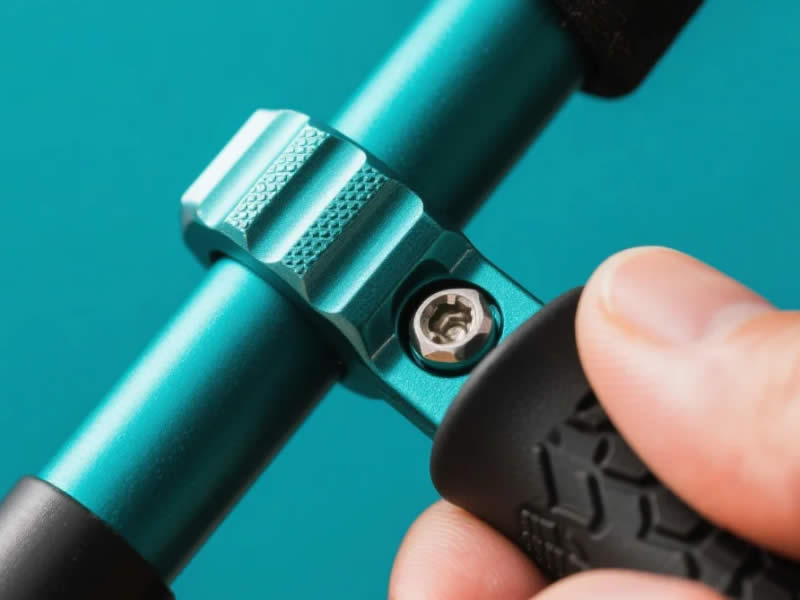
Recommended trekking pole purchase link: https://s.click.aliexpress.com/e/_c4M7OWaN
Why do locks slip?
Locks slip because the clamping force is insufficient to hold the inner shaft. Common causes:
- Dirt or grit inside the mechanism or between shaft sections.
- Worn or lubricated surfaces (oil or water reduces friction).
- Loose tension (lever locks need dial adjustment; twist locks need tightening).
- Deformed or cracked components (plastic cams, worn levers, or dented shafts).
Step 1: Clean the lock and shaft thoroughly
Before adjusting anything, clean your poles:
- Extend the pole fully and wipe the inner shaft with a dry cloth to remove mud, oil, or sweat.
- For lever locks: Open the lever and flush the clamp area with water, then use a brush to remove grit. Allow to dry completely.
- For twist locks: Unscrew the lock (if possible) or extend the pole and rinse the joint with warm water. Dry thoroughly. Moisture inside a twist lock reduces friction significantly.
Step 2: Adjust lever locks (e.g., Leki SpeedLock, Black Diamond FlickLock)
Lever locks are adjustable. Loose slipping usually means the clamp needs more tension.
- Leki SpeedLock: Turn the small dial on the side of the lever clockwise (usually with your finger or a coin) to increase clamping pressure. Close the lever – it should require firm pressure to fully close. If it closes too easily, tighten more.
- Black Diamond FlickLock: Use a 2.5 mm or 3 mm hex key (Allen wrench) to tighten the screw on the side of the lever. Turn clockwise to increase tension. Test – the lever should snap closed with a firm click.
- Generic lever locks: Look for a screw or a dial; the principle is the same.
Step 3: Adjust twist locks
Twist locks expand internal cams to grip the inner shaft. To tighten:
- Hold the lower section and twist the upper section clockwise as hard as you can by hand – do not use tools. If it still slips, the cam may be worn or the shaft may be oily.
- Clean and dry the inner shaft and the inside of the outer tube (use a cotton swab). Apply a small amount of rosin powder (violin or climbing chalk) to increase friction – never use oil or grease.
- If the lock is plastic, it may have cracked or worn. In that case, replacement is the only option.
Step 4: Check for worn or damaged parts
- Lever locks: Inspect the lever cam for cracks. If the plastic dial or lever is cracked, replace the lock assembly (many brands sell repair kits).
- Twist locks: If the internal cam has lost its ridges or the plastic has softened, replace the lock (available from the manufacturer).
- Shaft damage: Look for dents, deep scratches, or a bent inner shaft. A dented area will never lock properly – you may need to replace the section.
Step 5: For carbon shafts, check for delamination
Carbon poles can develop a smooth, worn area from repeated clamping. If the lock is tight but still slips, the carbon surface may be glazed. Very lightly sand the clamping area with fine (400‑grit) sandpaper to restore texture – but be careful not to weaken the shaft. This is a last resort.
Preventive maintenance to stop slippage before it starts
- Keep poles clean and dry – after every muddy hike, extend them fully and wipe down.
- Do not over‑tighten – extreme pressure can deform shafts. Tighten just enough to stop slipping.
- Store poles extended – storing collapsed for long periods can cause internal corrosion and sticking.
- Use silicone spray sparingly – only on the outside of the shaft to reduce corrosion; never on the locking area.
- Replace worn tips – a blunt tip can cause you to plant harder, increasing load on the lock.
When to replace rather than repair
- If the lock has broken plastic parts and no repair kit is available.
- If the shaft is bent or cracked.
- If the pole was very cheap (under €30) and the lock fails repeatedly – invest in better poles with metal lever locks.
Final verdict
Stopping trekking pole locks from slipping is usually a matter of cleaning, drying, and adjusting tension. Lever locks are far easier to maintain and adjust than twist locks. For heavy loads or frequent use, choose lever‑lock poles (SpeedLock or FlickLock) and develop a habit of cleaning them after every wet or muddy hike. With regular care, your locks will hold securely for thousands of kilometres.




