




How to store trekking poles over winter to prevent corrosion?
After a season of muddy trails, rain, and sweat, your trekking poles need proper care before being stored for the winter. Corrosion – rust on steel components and oxidation on aluminium – can ruin locks, seize sections, and weaken tips. Proper winter storage is simple and takes only a few minutes. Here’s how to ensure your poles emerge spring‑ready.
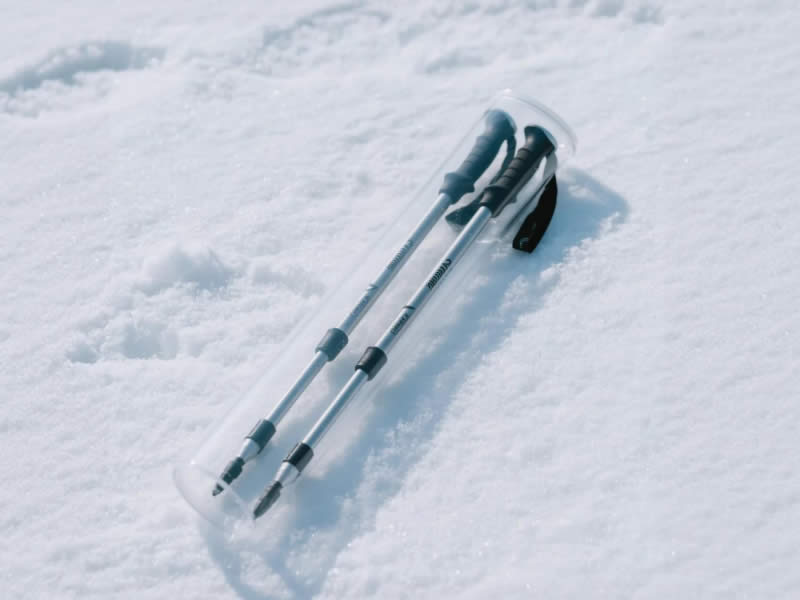
Recommended trekking pole purchase link: https://s.click.aliexpress.com/e/_c4M7OWaN
Why winter storage matters
When poles are stored for months without use, any remaining moisture, dirt, or salt can cause:
- Rust on steel parts (springs, screws, twist‑lock cams, tip ferrules).
- Corrosion on aluminium (white powdery oxidation) – can cause sections to stick.
- Deterioration of foam grips if stored in a damp environment.
- Lock seizure – dried dirt or corrosion can lock levers or twist mechanisms.
Step 1: Clean thoroughly
Before any storage, your poles must be completely clean.
- Extend poles fully and wipe down the shafts with a damp cloth. Pay attention to the overlapping sections where mud hides.
- For lever locks: Open the levers and flush with clean water, then scrub with a toothbrush. Rinse and dry.
- For twist locks: Unscrew the knobs partially, rinse, and dry thoroughly. Use a cotton swab to clean inside the outer tube.
- Remove baskets and tips (if replaceable). Clean the basket grooves and tip ferrules.
- Wipe grips with a damp cloth only (no soap – it can make cork or foam slippery).
Step 2: Dry completely
This is the most critical step. Never store damp poles.
- Leave poles extended in a warm, dry room for at least 24 hours. A radiator room (not directly on a radiator) is ideal.
- For carbon poles, ensure no water is trapped inside – hold vertically and tap to drain.
- Use a hairdryer on a cool setting to blow out moisture from locking mechanisms.
Step 3: Apply light corrosion protection
Only to metal parts that don’t affect clamping friction.
- Steel parts (screws, springs, hinge pins): Apply a tiny drop of light machine oil (e.g., sewing machine oil, 3‑in‑one). Use a cotton swab for hard‑to‑reach areas. Wipe off excess.
- Twist‑lock threads: Apply a thin layer of silicone grease – this prevents corrosion and keeps threads smooth.
- Aluminium shafts: No lubrication needed, but you can wipe them with a silicone spray to repel moisture. Avoid getting any lubricant on the clamping surfaces (where the lock grips).
- Lever lock pivots: A drop of oil on the hinge – work the lever a few times, then wipe away excess.
What to NOT lubricate:
- The inner shafts where locks clamp – oil here will cause slipping.
- Carbide tips – they don’t corrode.
- Foam or cork grips.
Step 4: Choose the right storage location
- Indoor, dry, consistent temperature – a wardrobe, under the bed, or a closet. Avoid garages, sheds, or lofts where temperature and humidity fluctuate.
- Humidity below 50% – if you live in a very damp climate, consider adding a silica gel packet in the storage bag.
- Keep away from direct sunlight – UV degrades plastic baskets and foam grips.
Step 5: Decide how to store (extended vs. collapsed)
- Best: Fully extended. This allows air circulation inside the sections and prevents moisture from being trapped. It also keeps the locking mechanisms relaxed.
- Acceptable: Collapsed but not locked. If space is tight, collapse the poles but do not tighten the locks. Leave them slightly loose to avoid stress on the cams.
- Avoid: Storing with locks tightened – this can compress rubber seals and deform plastic cams over months.
Step 6: Use a storage bag
If you keep poles inside a closet, a simple cloth bag (even an old pillowcase) protects them from dust. Do not use an airtight plastic bag – any residual moisture will be trapped. A breathable fabric bag is best.
Special care for different materials
- Aluminium poles: Very corrosion‑resistant but can develop white aluminium oxide if stored wet. Cleaning and drying prevents this.
- Carbon fibre poles: Not susceptible to corrosion, but the metal ferrules and locks are. Clean and dry as above. Also, store carbon poles away from heat sources (radiators) that could degrade the resin.
- Steel tip ferrules: The most rust‑prone part. After cleaning, wipe them with an oiled cloth (very thin layer). If you see rust, remove it with fine steel wool before oiling.
Spring check‑up
Before using your poles again:
- Extend them and inspect for any rust or stiffness.
- Tighten all locks and test under body weight.
- Replace any worn tips or baskets.
- If you stored them collapsed, extend and collapse a few times to redistribute the internal grease.
Final verdict
Proper winter storage of trekking poles is quick and straightforward: clean, dry, lightly oil metal parts, and store in a dry indoor space with poles extended. Avoid damp sheds and garages. With this simple routine, your poles will resist corrosion and remain smooth, quiet, and reliable for many seasons to come.




