




Do I need special trekking poles for snowshoeing in the UK?
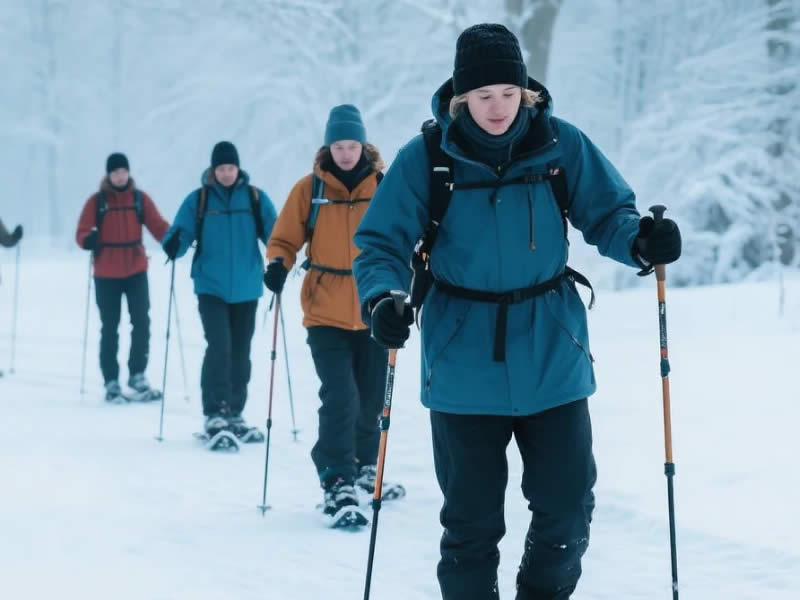
Snowshoeing in the UK – whether in the Cairngorms, the Highlands, or the Lake District – is a fantastic winter activity. A common question is whether you need special trekking poles or if your regular hiking poles will suffice. The short answer is no, you do not need special “snowshoeing” poles; your standard trekking poles work perfectly well – provided you equip them with the right accessories and follow a few guidelines.
Recommended trekking pole purchase link: https://lightenup.aliexpress.com/store/1101521655
What makes snowshoeing different
When you walk on snowshoes, your feet are elevated several centimetres above the snow surface. Your poles must reach that lower surface. Additionally, soft powder can swallow standard poles, making each plant a struggle. The key adaptations are not the poles themselves, but the baskets and length adjustments.
Essential modification: large snow baskets
Your regular trekking poles likely came with small baskets (4–6 cm) designed for summer use on dirt and mud. In deep snow, these small baskets will sink like a knife through butter. You need large snow baskets (7–10 cm) that act like flotation devices. They prevent the pole from plunging deep, keeping the grip at a comfortable height and saving your arms from exhausting deep‑planting.
- Where to get them: Most pole brands (Leki, Black Diamond, Komperdell, Decathlon) sell large snow baskets separately (€5–15 per pair). Ensure they are compatible with your pole’s tip ferrule (usually 8–10 mm diameter).
- Installation: Simply remove the small baskets (pull or twist off) and push/screw on the large ones. Keep the small baskets for summer.
Tip material: carbide is fine
Tungsten carbide tips are excellent for snow and ice. They bite into hardpack and frozen crust. You do not need special “ice tips” unless you frequently walk on polished, solid ice – then add rubber‑spiked ice grips (e.g., Leki Ice Grips) over the carbide. Avoid rubber pavement tips – they are useless on snow.
Pole material: aluminium over carbon
In UK winter conditions, carbon fibre poles are more prone to snapping if jammed between frozen rocks or under lateral stress. Aluminium (7075) poles are safer – they bend rather than snap, and you can often straighten a bend. For snowshoeing in the Highlands, aluminium is recommended.
Locking mechanism: lever locks preferred
Twist locks can freeze, become difficult to turn, or slip in cold temperatures. Lever locks (SpeedLock, FlickLock) are easier to operate with thick gloves and are not affected by ice. If you have twist‑lock poles, keep them clean and dry, but consider upgrading for frequent winter use.
Length adjustment for snow
When snowshoeing, the surface is higher than the actual ground. You may need to lengthen your poles by 5–10 cm compared to your summer flat‑ground setting. If the snow is very deep, extend them even more. Adjustable poles are essential – fixed‑length poles (e.g., many foldable Z‑poles) may be too short for deep powder.
What about special “snowshoe poles”?
Some manufacturers sell poles labelled specifically for snowshoeing. These are typically just regular trekking poles with large baskets included and sometimes a foam grip. There is no technical difference. Don’t pay extra for the label – just buy large baskets for your existing poles.
Technique for snowshoeing with poles
- Plant vertically – an angled plant will slice through snow; a vertical plant engages the basket for flotation.
- Widen your stance – snowshoes require a broader gait; poles help you balance.
- Use double planting (both poles together) on deep powder for maximum support.
- On hardpack or icy slopes – add ice grips and plant firmly.
Final verdict
You do not need special snowshoeing poles. Your regular trekking poles – whether cheap Decathlon or premium Leki – are perfectly adequate if you add large snow baskets. Also ensure your poles have carbide tips (rubber tips are dangerous) and are adjustable. For UK winter conditions, aluminium with lever locks is the most reliable choice. With the simple addition of large baskets, your summer poles become fully capable winter companions. So save your money for more snowshoe trips, not new poles.




