




How to prevent trekking pole tips from icing up?
Icing on trekking pole tips is a frustrating winter problem. When snow sticks to the carbide tip and ferrule, it forms a hard, slippery ball that prevents the pole from biting into the trail. Your once‑reliable grip becomes a useless, sliding ice stump. Fortunately, you can prevent icing with a few simple techniques and products. Here’s how to keep your tips clean and functional in freezing conditions.
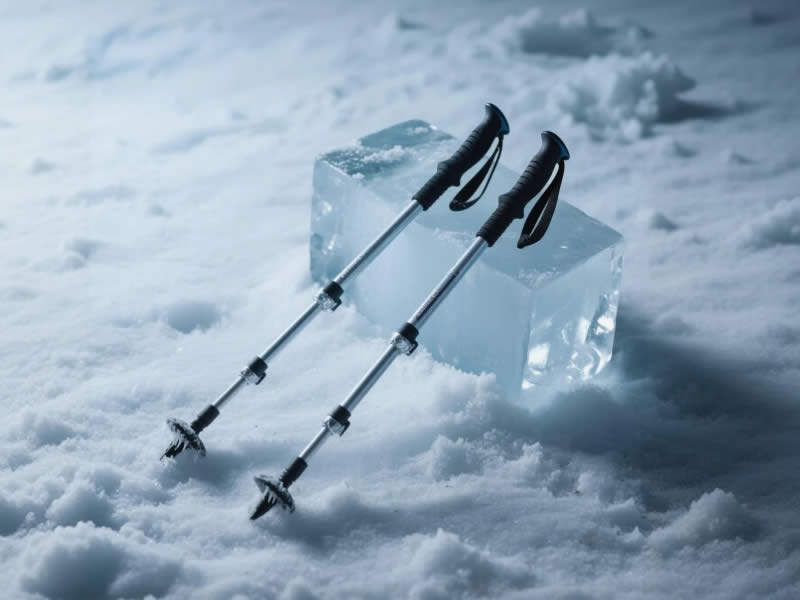
Recommended trekking pole purchase link: https://lightenup.aliexpress.com/store/1101521655
Why icing happens
When you plant a warm pole into cold, wet snow, a small amount of snow melts from the pressure and temperature. That water then refreezes instantly, bonding a layer of ice to the metal. Over repeated plants, a thick ice “boot” builds up, eventually coating the entire tip and basket. This ice prevents the carbide from penetrating the snow, turning your pole into a blunt stick that skids sideways – which can be dangerous on steep, icy slopes.
Prevention methods – before you hike
1. Apply a non‑stick coating to the tip and ferrule
- Silicone lubricant spray: Spray a small amount onto a cloth and wipe it over the carbide tip and the metal ferrule (the base). The silicone creates a hydrophobic, non‑stick surface that water and ice cannot bond to. Reapply every few hours.
- Cooking spray (e.g., Pam): In a pinch, a light spritz of vegetable oil spray works similarly. It’s less durable but better than nothing.
- Wax (ski wax or furniture wax): Rub a candle or a bar of ski wax onto the tip. Buff with a cloth. The wax repels water and reduces ice adhesion.
- Lip balm: A quick application of petroleum‑based lip balm (e.g., Vaseline) can also help, though it may attract dirt.
2. Use anti‑ice tape or heat shrink
Some hikers apply a short section of heat‑shrink tubing over the ferrule (not covering the carbide point). The smooth plastic surface sheds ice more easily than bare metal. Test that the tubing does not affect the basket’s fit.
Prevention methods – while hiking
1. Tap your poles frequently
Every 10–15 plants, tap the pole tip sideways against your boot or a rock. The vibration often dislodges small ice buildups before they become thick. Do this before collapsing or stowing poles.
2. Avoid planting in slushy, wet snow
If possible, aim for firmer, drier snow. Wet snow is more likely to refreeze on the tip. When you cannot avoid it, shorten your stride and plant lightly.
3. Store poles inside your pack when not in use
When you stop for a break, do not leave your poles stuck upright in the snow. The warm tip will melt a hole, and as it refreezes, a thick ice crust will form. Instead, collapse the poles and place them inside your pack (or outside but with tips covered). This keeps them warm and prevents large ice accumulation.
4. Keep your poles warm
If your poles are stored in an external pocket, they will become as cold as the air. Cold metal attracts ice more readily. Try to keep them in a warmer location close to your body (inside the main pack compartment) when not actively using them.
What to do if ice already forms
If you feel the pole slipping or see a ball of ice on the tip:
- Scrape it off with a knife, a rock, or the edge of your ski or snowshoe. Be careful not to damage the carbide.
- Use warm water (from a bottle) to melt the ice. Dry the tip quickly and reapply a non‑stick coating.
- Smack the tip against a hard, dry surface (e.g., a rock) to crack the ice off.
What NOT to do
- Do not hit the carbide tip with a metal hammer – it can chip.
- Do not use a flame (lighter or stove) to melt ice – heat can weaken the epoxy in carbon poles or discolor aluminium.
- Do not store poles with wet baskets and tips inside your pack – the moisture will freeze and stick to your gear.
Products to consider
- Ski wax (universal) – buy a small block; lasts for days.
- Silicone spray – carry a mini canister (e.g., WD‑40 Specialist Silicone).
- Lip balm – always in your winter kit.
- Anti‑ice tape – sometimes sold as “anti‑fouling tape” for marine use.
Final verdict
Preventing trekking pole tips from icing up is about creating a non‑stick surface and maintaining your poles during the hike. Before heading out, apply silicone spray, wax, or even lip balm to the tip and ferrule. While hiking, tap poles frequently, avoid planting in wet slush, and store poles inside your pack during breaks. With these simple steps, you’ll keep your tips ice‑free, maintain traction on icy trails, and stay safe in winter conditions.




