




Are aluminium trekking poles better than carbon for winter mountaineering?
For winter mountaineering in the Scottish Highlands, the Alps, or any cold, icy, rocky environment, the answer is a clear yes – aluminium trekking poles are better than carbon. While carbon poles have their place in summer ultralight hiking, winter conditions demand durability, reliability, and the ability to withstand lateral forces and freezing temperatures. Here’s why aluminium wins in the snow and ice.
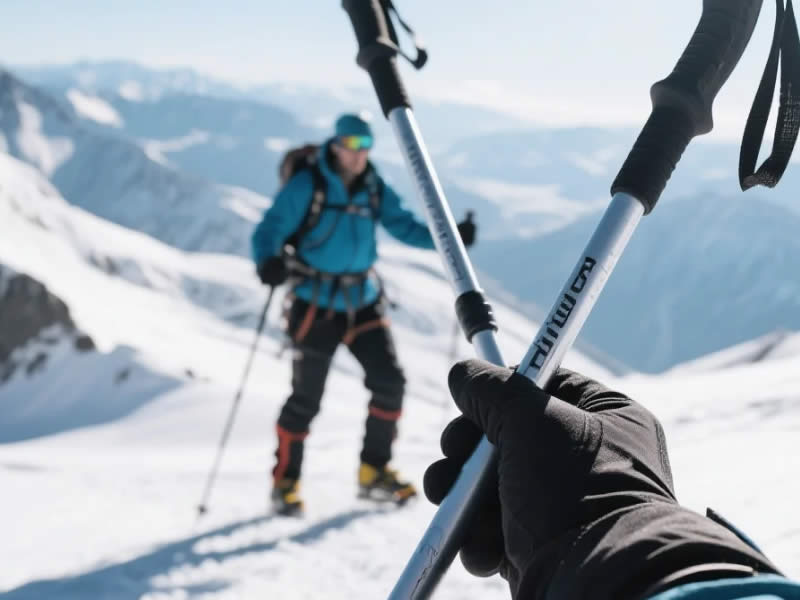
Recommended trekking pole purchase link: https://lightenup.aliexpress.com/store/1101521655
1. Brittleness of carbon in the cold
Carbon fibre poles are made of carbon strands embedded in an epoxy resin. At sub‑zero temperatures, the resin becomes more brittle. A simple lateral stress – like jamming the tip between frozen rocks or falling sideways – can cause a carbon pole to snap without warning. Aluminium, especially high‑quality 7075 alloy, remains ductile. It will bend rather than break, and you can often straighten a bent aluminium pole enough to finish your climb.
2. Lateral strength and rocky winter terrain
Winter mountaineering often involves mixed terrain: snow, ice, and exposed rock. On rocky sections, your pole tip can easily wedge into a crack. As you move forward, the pole experiences a strong sideways lever force. Carbon poles are notorious for snapping in this scenario. Aluminium poles may bend, but you can usually continue. For safety, aluminium is far superior.
3. Adjustability and lock reliability in the cold
Twist locks (common on some carbon poles) can freeze solid, making adjustment impossible. Lever locks (e.g., Leki SpeedLock, Black Diamond FlickLock) are external and less prone to freezing. Most aluminium winter poles come with lever locks, which are also easier to operate with thick gloves. Carbon poles often use lighter, more delicate locking mechanisms that can become unreliable in freezing conditions.
4. Durability of tip and ferrule
Winter mountaineering involves planting poles on ice, frozen scree, and hardpack. The repeated impact can loosen or damage the tip ferrule. Aluminium ferrules are robust and less likely to crack. Carbon ferrules can delaminate or split, leading to tip loss – a serious problem on a remote ridge.
5. Weight penalty – is it significant?
Aluminium poles are heavier than carbon: a typical aluminium pair weighs 500–600g, while carbon can be 300–400g. For winter mountaineering, the extra 100–200g per pair is a small price to pay for robustness. You’re already carrying heavy boots, crampons, an ice axe, and a thick jacket – the few extra grams of aluminium poles are negligible compared to the safety benefit.
6. When carbon might be acceptable (with caution)
If you are doing purely snow travel on soft, deep powder without any rocky sections, and you are using a very light pack, carbon poles with large baskets can work. However, the moment you encounter mixed terrain or need to self‑arrest (poles should be stowed for self‑arrest anyway), carbon becomes a liability. Many professional winter guides exclusively use aluminium poles.
Top aluminium poles for winter mountaineering
- Leki Makalu (7075 aluminium, SpeedLock, large snow baskets available)
- Black Diamond Trail Pro (aluminium, FlickLock, foam grip)
- Komperdell Expedition Alu (extra‑thick shaft, includes large baskets)
Final verdict
For winter mountaineering, aluminium is the safer, more reliable choice. Carbon’s weight savings are not worth the risk of sudden breakage in freezing conditions. Bend, don’t snap – choose aluminium for your winter adventures.




