




Are expensive trekking poles wasted on casual weekend walkers?
Not entirely – but for most casual weekend walkers, mid‑range poles offer the best value, and expensive ones are often overkill. However, “expensive” is a relative term. A pair of €150 carbon poles may be wasted on gentle park trails, but a €60‑80 aluminium pair with reliable locks can be a worthwhile investment, even for occasional use. Here’s a balanced look at what casual walkers really need.
Recommended trekking pole purchase link: https://lightenup.aliexpress.com/store/1101521655
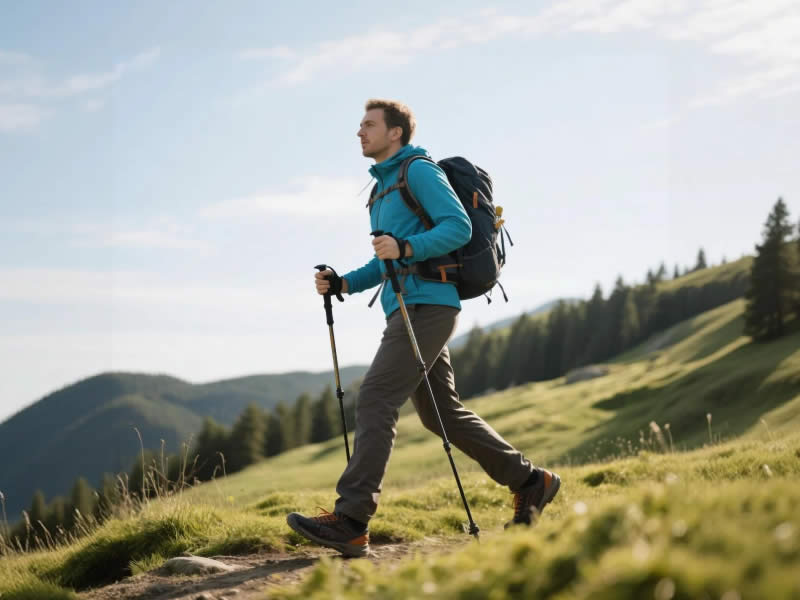
What defines a “casual weekend walker”?
- Walks 1–2 times per week on local paths, gentle hills, or forest trails.
- Typically carries a light daypack (under 5 kg).
- Hikes for 2–5 hours per outing.
- Values comfort and safety but doesn’t need ultralight gear for multi‑day treks.
What expensive poles offer (and why you might not need them)
- Carbon fibre shafts (€120–180 per pair): Extremely light (300–400g) and good vibration damping. For a casual walker carrying a light pack, the weight saving is less noticeable than for a thru‑hiker. Carbon’s main drawback is brittleness – a sideways jam on a rocky path could snap them. For gentle trails, this risk is low, but you’re paying a premium for marginal benefit.
- Advanced locking systems (e.g., Leki SpeedLock 2, Black Diamond FlickLock): Highly reliable and easy to adjust. Even casual walkers appreciate locks that don’t slip. However, mid‑range poles also have decent lever locks.
- Ergonomic left/right grips (e.g., Leki Aergon): Very comfortable for long days. For a 2‑hour weekend walk, standard cork grips work fine.
- Dedicated shock absorption (anti‑spring): Not needed for most walkers; adds weight and complexity.
What mid‑range poles (€40–80) give you – perfect for casual use
- 7075 aluminium shafts – durable, bend‑not‑break, and light enough (500–550g per pair).
- Lever locks – reliable and easy to use; avoid twist locks at any price.
- Cork or foam grips – comfortable and non‑slip.
- Replaceable carbide tips – long‑lasting.
- Interchangeable baskets – useful for seasonal mud or snow.
- Examples: Decathlon Forclaz MT500 (€40), Cascade Mountain Tech aluminium (€50), Leki Makalu (entry level around €80 on sale).
These poles will easily last a casual walker 5–10 years with basic care. They protect your knees, improve balance, and are a pleasure to use.
When expensive poles might be worth it for a casual walker
- You have arthritis or hand/wrist issues – ergonomic, left/right specific grips (e.g., Leki Aergon) can be a game‑changer.
- You are a senior with weak arms – ultralight carbon poles (300g per pair) reduce arm fatigue significantly.
- You walk in very rough, rocky terrain – expensive poles with robust aluminium (e.g., Black Diamond Trail Pro) offer extra durability.
- You simply enjoy having high‑quality gear and can afford it – nothing wrong with that.
What to avoid at all costs
- Twist‑lock poles under €30 – they slip, break, and ruin the experience.
- No‑name poles with plastic lever locks – levers crack under pressure.
- Fixed‑length poles – unless you are exactly the right height for that length.
The sweet spot recommendation
For the vast majority of casual weekend walkers, spend €40–70 per pair on adjustable aluminium poles with lever locks and cork/foam grips. The Decathlon Forclaz MT500 or Cascade Mountain Tech aluminium are excellent choices. Avoid the cheapest twist‑lock poles, but you don’t need to jump to €150 carbon. Invest the savings in better boots or a waterproof jacket.
Final verdict
Expensive trekking poles are not wasted – they offer real benefits in comfort, weight, and durability. But for a casual weekend walker on gentle terrain, those benefits are marginal. A good mid‑range pair will serve you perfectly for years. Spend your money where it counts: reliable locks, comfortable grips, and durable shafts. Skip the carbon bling unless you have a specific need. With a sensible mid‑range purchase, you’ll enjoy safer, more comfortable walks – and still have money left for a post‑hike pub lunch.




