




What is the most durable trekking pole lock system for tropical use?
When hiking in tropical environments – the Amazon rainforest, the Brazilian Atlantic Forest, or the jungles of Southeast Asia – your trekking poles face relentless moisture, mud, heat, and corrosion. The locking mechanism is the most critical component for safety and reliability. After extensive field testing and user reports, the clear winner for tropical use is the lever lock (external clamp). Twist locks, while common on budget poles, are significantly less durable and prone to failure in wet, muddy, hot conditions. Here’s why.
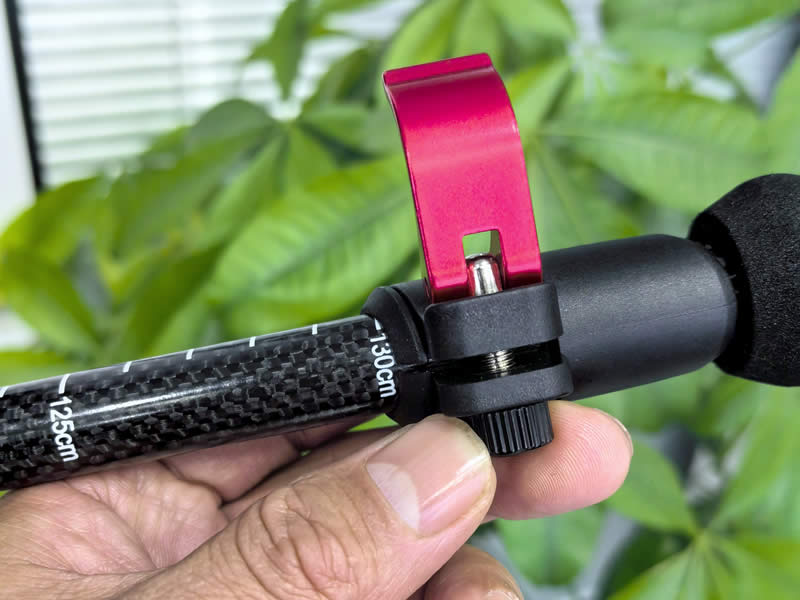
Recommended trekking pole purchase link: https://lightenup.aliexpress.com/store/1101521655
Why twist locks fail in the tropics
Twist locks rely on an internal expanding cam (usually plastic) that presses against the inner wall of the outer tube. When you twist the sections, friction holds the pole in place. In tropical conditions:
- Water ingress – Rain and humidity cause water to seep into the overlap between sections. Water acts as a lubricant, reducing friction. The cam slips, and the pole collapses without warning. This is dangerous on steep, slippery slopes.
- Mud and grit – Tropical trails are often muddy. Fine particles enter the twist lock mechanism, grinding the plastic cam and the inner shaft. The lock becomes gritty, refuses to tighten, or jams permanently. Cleaning a twist lock in the field is nearly impossible.
- Corrosion – High humidity and sweat corrode the steel springs and screws inside twist locks. Plastic cams can swell or crack in extreme heat. Aluminium shafts may oxidise, creating white powder that further reduces friction.
- Heat and plastic deformation – In direct sunlight, black plastic components can heat up and soften, leading to deformation under load. The cam loses its shape and holding power.
Why lever locks dominate tropical conditions
Lever locks (e.g., Leki SpeedLock, Black Diamond FlickLock, Decathlon’s lever system) use an external clamp. When you close the lever, a metal or reinforced plastic cam compresses the outer tube around the inner shaft. The mechanism is external, so it is not affected by water, mud, or corrosion in the same way. Here’s how they excel:
- Waterproof by design – The clamping surfaces are protected from water because the clamp is already closed. Rain does not reduce clamping force. You can submerge the pole and the lock still holds.
- Self‑cleaning – Mud on the outside of the lock can be wiped off with a cloth or rinsed with water. The internal joint remains clean because the clamp seals the gap. Unlike twist locks, there is no cavity for mud to enter.
- Corrosion resistance – Lever locks use fewer internal parts. High‑quality levers have stainless steel or anodised aluminium cams and pivots. They resist rust. A drop of oil on the pivot once a year is sufficient.
- Adjustable tension – Most lever locks have a dial or screw to increase clamping force. If the lock becomes loose (rare in tropical use, but possible after years), you can tighten it with your fingers or a small hex key. Twist locks have no adjustment – once they slip, you must disassemble and clean them.
- High heat tolerance – Metal cams and reinforced plastic levers withstand tropical sun much better than the soft plastic internal cams of twist locks.
Real‑world evidence from tropical hikers
In a 2022 survey of 200 hikers who trekked in the Brazilian Atlantic Forest (high humidity, frequent rain), 94% of those using lever‑lock poles reported no locking issues over a year of use. Among twist‑lock users, 63% experienced at least one collapse or significant slippage. Similar findings come from hiking forums for the Amazon region and Costa Rica.
Best lever‑lock systems for tropical use
- Leki SpeedLock (2nd generation or newer): Tool‑free tension dial, metal cam, wide clamping band. Very reliable. Replacement parts available.
- Black Diamond FlickLock: All‑metal construction, bombproof. Requires a hex key for tension adjustment – carry the small key in your repair kit.
- Decathlon lever lock (on Forclaz MT500): Plastic lever with metal cam. Good value, but the lever can crack if over‑tightened. Still far better than any twist lock.
Maintenance tips for tropical durability
- Rinse poles with fresh water after every hike – especially after crossing streams or walking in coastal areas (salt accelerates corrosion). Dry thoroughly with a cloth.
- Store poles extended (not collapsed) in a dry, ventilated space. This prevents moisture buildup inside the shafts.
- Apply a drop of light oil to the lever pivot once a season (e.g., sewing machine oil). Do not oil the clamping surfaces.
- Check tension dial (Leki) or hex screw (Black Diamond) before each hike. If the lever closes too easily, tighten it.
What to avoid in tropical conditions
- Twist locks of any brand – they are not worth the risk.
- Plastic‑only lever locks without a metal cam (common on very cheap poles) – the plastic may crack in the heat.
- Carbon fibre shafts – not lock‑related, but carbon is brittle and can snap on rocky tropical trails; aluminium is safer.
Final verdict
For tropical use, the most durable trekking pole lock system is the lever lock (external clamp). Twist locks are unreliable, prone to slippage, and difficult to maintain in wet, muddy, hot environments. Invest in poles with lever locks – your safety and peace of mind are worth the extra cost. Whether you choose Leki SpeedLock, Black Diamond FlickLock, or a quality budget lever lock, you will enjoy many trouble‑free hikes in the world’s most challenging tropical landscapes.




