




What is the best handle material for wearing gloves in high‑altitude Brazilian peaks?
When you ascend Brazil’s highest mountains – such as Pico da Bandeira (2,891 m), Pedra da Mina (2,798 m), or Pico do Calçado (2,849 m) – temperatures can drop below freezing, especially at night or during winter mornings. Hiking at these altitudes often requires wearing gloves or mittens, which changes how you interact with your trekking pole handles. The best handle material for gloved hands is EVA foam, followed by cork, while rubber should be avoided. Here’s why.
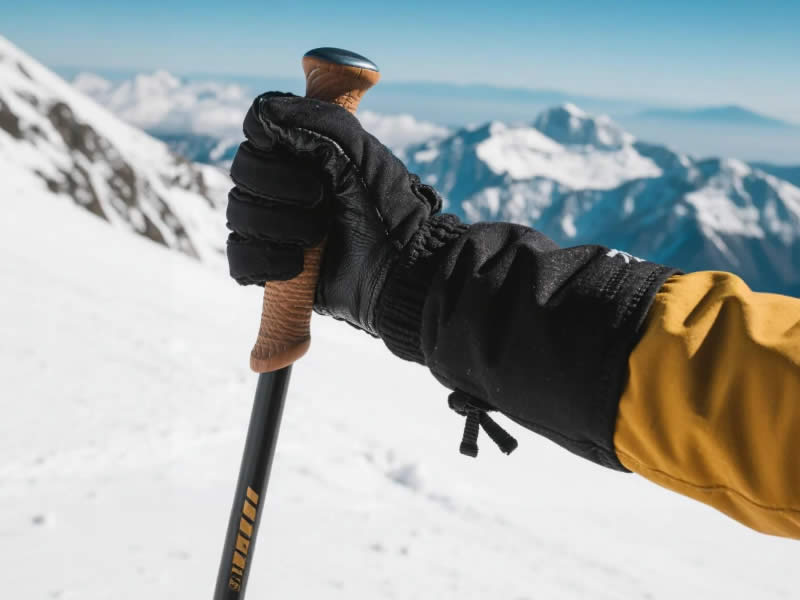
Recommended trekking pole purchase link: https://lightenup.aliexpress.com/store/1101521655
The challenge of gloved hands
When you wear thick gloves, your tactile sensitivity decreases, and your hand may not fully conform to the grip shape. The handle must provide a secure, non‑slip surface even with reduced sensation. It should also be warm to the touch and not too hard, as you may grip with less precision.
Comparison of handle materials for use with gloves
1. EVA foam – the best choice for cold, gloved hands
- Warmth – EVA foam has excellent insulating properties. Unlike cork or rubber, it does not conduct heat away from your hand. On freezing peaks, a foam grip feels noticeably warmer.
- Compressibility – Foam is slightly soft, which allows your gloved hand to sink in slightly, improving grip. Hard materials (e.g., hard plastic) can feel slippery.
- Lightweight – Foam is lighter than cork, reducing overall pole weight – a bonus on long ascents.
- Texture – Many foam grips have a textured pattern (dimples or ribs) that provides traction even with wet or bulky gloves.
- Examples – Black Diamond Trail Pro foam grip, Komperdell C4 foam, Decathlon Forclaz foam extension.
2. Cork – acceptable but colder
Cork is a natural material that is excellent for bare hands in hot weather (it absorbs sweat). However, for gloved hands at high altitude:
- Cold to the touch – Cork transfers heat away from your hand more quickly than foam. When you grab a cork grip in freezing conditions, it feels icy.
- Less compressible – Cork is firm; it does not conform to a gloved hand as well as foam. This can lead to reduced control.
- Still usable – Many hikers use cork grips with thin liner gloves without issue. But for thick winter gloves, foam is better.
- Examples – Leki Aergon cork, Komperdell cork models.
3. Rubber – avoid
Rubber grips (common on cheap poles) become hard and slippery in the cold. They offer no insulation, feel brittle, and can lose traction with gloves. Never buy rubber grips for high‑altitude hiking.
Other considerations for high‑altitude Brazilian peaks
- Extended foam sections – Many poles feature an extended foam section below the main grip. This allows you to choke up without adjusting length – very useful when your hands are cold and you don’t want to fiddle with locks.
- Strap design – For gloved hands, adjustable wrist straps with large buckles (easy to use with mittens) are important. Leki’s SpeedLock straps and Black Diamond’s wide straps work well.
- Locking mechanism – Lever locks (SpeedLock, FlickLock) are much easier to operate with gloves than twist locks. Prioritise lever locks.
Real‑world advice from Brazilian mountaineers
Hikers who have summited Pico da Bandeira in winter unanimously recommend foam grips. One experienced guide noted: “At -5°C, my cork Leki grips felt like ice. I switched to Black Diamond Trail Pro with foam and my hands stayed comfortable even with thin gloves.” For high‑altitude peaks, the extra warmth and grip of foam make a tangible difference.
What about glove type?
- Thin liner gloves – Cork or foam both work. Cork may still feel cold.
- Medium fleece gloves – Foam remains warmer. Cork is okay if you keep moving.
- Thick winter gloves or mittens – Foam is clearly superior. Look for large‑diameter foam grips that fit over bulky gloves.
Final verdict
For high‑altitude Brazilian peaks where gloves are necessary, EVA foam handles are the best choice. They provide warmth, good grip, and compress slightly to accommodate gloved hands. Cork is acceptable but feels colder and is less forgiving. Rubber should be avoided. When buying poles for winter ascents in Brazil, prioritise foam grips, lever locks, and extended foam sections. Your hands – and your summit success – will thank you.




