




How to Clean Trekking Poles After Muddy Atlantic Forest (Mata Atlântica) Hikes
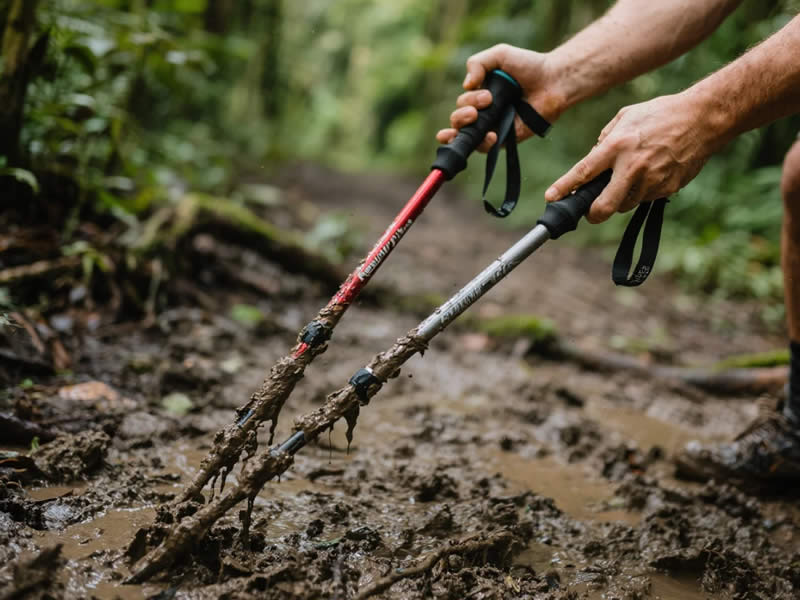
Brazil's Atlantic Forest (Mata Atlântica) is a hiker's paradise, but it comes with a price: its famous red clay—terra rossa—is acidic, abrasive, and relentless. This mud, rich in organic acids and fine silica particles, is far more damaging than ordinary dirt-9. If left to dry on your trekking poles, it doesn't just look bad; it acts like sandpaper, grinding down locking mechanisms, corroding metal, and permanently seizing sections together. Proper cleaning after every muddy hike isn't optional—it's essential for the longevity and safety of your gear.
Recommended trekking pole purchase link: https://lightenup.aliexpress.com/store/1101521655
🧐 Why Mata Atlântica Mud Is Different
The mud in the Atlantic Forest isn't just a nuisance; it's a serious threat to your equipment for three key reasons:
- 😖 Abrasive Action: The fine particles in terra rossa are as hard as quartz and act like microscopic sandpaper, rapidly wearing down protective anodized coatings on aluminum shafts-9.
- 😨 Corrosive Power: The organic acids in decomposing forest matter are corrosive to metal-9. When this acidic mud is combined with the region's high humidity, it creates a perfect environment for galvanic corrosion, leading to pitting and rust, especially on cheap steel components-13.
- 😠 Mechanical Jamming: When clay-based mud dries inside telescoping sections or locking mechanisms, it forms a cement-like bond that can lock sections together and cause twist-locks to seize solid-9.
📋 Your Post-Hike Cleaning Arsenal
Gather these simple supplies before you start:
- Garden hose with a gentle spray setting
- Soft-bristled brush (an old toothbrush is perfect)
- Mild dish soap
- Soft microfiber cloths or an old cotton rag
- Silicone spray lubricant (e.g., WD-40 Specialist Silicone)
- Light machine oil (for flick-lock pivots) — optional
📝 Step-by-Step Cleaning Procedure
The golden rule to remember: never let terra rossa dry on your poles. The following steps will keep your gear in top shape.
1. 🚿 Rinse Immediately
- Critical: Before you collapse your poles, extend them fully. This opens the gap between sections, allowing water to flush out the grit-9.
- Use a gentle spray from a hose to rinse away the bulk of the mud. Pay special attention to the areas just above each joint, the baskets, and the locking mechanisms-9.
- ⚠️ Don't use a pressure washer; it can force water and grit deep into sealed components, causing internal damage-9.
2. 🪥 Scrub Locking Mechanisms
This is the most important step. Mud left here will be forced deeper when you next adjust your poles.
- For lever locks (flick-locks): Open the levers fully. Use your soft brush to scrub mud from the cam mechanism and the gap between the lever and the pole-9. Dirt here prevents the clamp from fully engaging.
- For twist locks: Extend the section and scrub the exposed inner shaft, removing mud that would otherwise be forced into the lock mechanism when collapsed-9.
- For baskets: Remove them if possible to scrub the shaft underneath-9.
3. 🧼 Wash with Soapy Water (Deep Clean)
For a thorough clean after a particularly muddy hike, create a lukewarm, mild solution of dish soap and water. Use your brush and a soft sponge to clean all surfaces, including the grips-13. This step neutralizes the acidic elements in the mud that cause corrosion.
4. 🌬️ Dry Completely
This step is non-negotiable. Never store your poles wet.
- Use a dry cloth to wipe every shaft section, lock, and basket-9.
- Leave your poles fully extended in a well-ventilated area for at least one hour, or even overnight, to let any remaining moisture evaporate-9.
- 🛑 Avoid storing poles collapsed when wet; this traps moisture and will cause corrosion and frozen joints-9.
🧴 Post-Cleaning Maintenance and Lubrication
Once your poles are clean and bone-dry, a light application of the right lubricant will keep them working smoothly.
- Metal parts: For internal components like twist-lock expanders and threads, use a dry silicone spray or a Teflon-based dry lubricant [4†L7-L8][13†L22-L23]. These leave a non-stick film that won't attract new dirt. Avoid WD-40, as it leaves a residue that acts like a magnet for grit, eventually causing locks to slip--36.
- Lever lock pivots: Apply a single drop of light machine oil to the lever's hinge.
- ⚠️ Crucial warning: Never get any lubricant on the inner shaft or the interior clamping surfaces of the locks. This will cause the pole to slip dangerously when you put weight on it-36.
🔧 Special Advice for Brazil's Environment
After cleaning, follow these local tips to ensure your poles survive the Brazilian climate.
- Rinse After Salt Exposure: If you've been hiking near the coast, the salt in sea spray is highly corrosive. A thorough freshwater rinse is mandatory after any coastal hike to remove salt residues-10.
- Disassemble for Drying: Separating pole sections allows hidden moisture to evaporate, preventing the white aluminum oxide that plagues many poles stored in humid conditions-10.
- Store Extended and Dry: Never collapse and store your poles in a damp garage or shed. Keep them fully extended in a dry, indoor space to prevent moisture from being trapped-33.
💡 Frequently Asked Questions (FAQ)
Q1: Can I use vinegar to remove rust on steel components?
Yes, but use it sparingly. White vinegar can dissolve rust, but it's acidic and can damage anodized aluminum finishes and protective coatings if left on too long-24. For aluminum shafts, a paste made of baking soda and water is a gentler, more appropriate cleaner-24.
Q2: Why is my cork grip getting hard and smooth?
Moisture and sweat from the Atlantic Forest's humidity can degrade cork. You can revitalize it by gently scrubbing it with a soft brush and soapy water during cleaning, and then rubbing in a small amount of cork sealer or beeswax to maintain its texture and grip-33.
Q3: How often should I deep-clean my trekking poles?
A full deep clean is recommended monthly, or immediately after any hike that has left your poles especially muddy, sandy, or exposed to saltwater-9-13. For routine maintenance, a quick post-hike rinse and wipe-down will suffice.
By following this routine after every muddy adventure in the Atlantic Forest, you'll ensure your trekking poles remain reliable companions for many years. A few minutes of care now saves you the cost and frustration of replacing them later.






