




What are the best winter trekking poles for cold mornings in Serra da Mantiqueira?
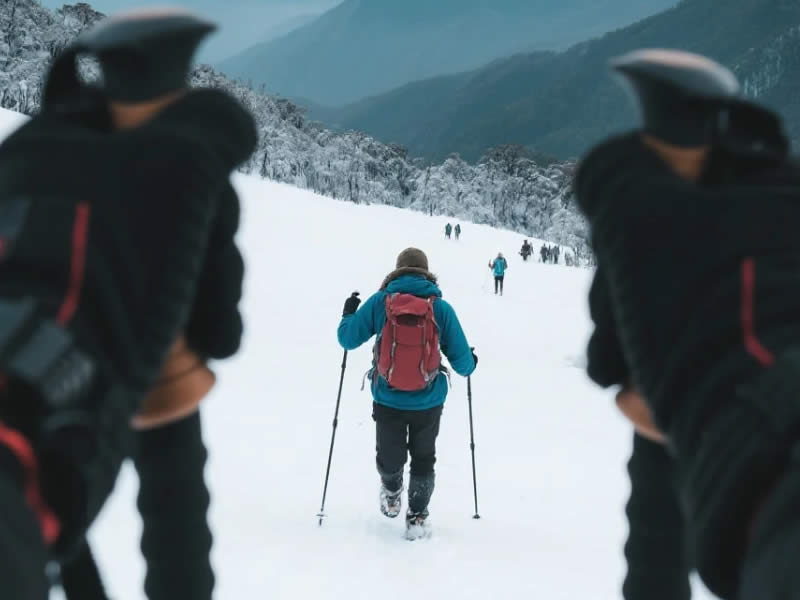
The Serra da Mantiqueira, a stunning mountain range that stretches across southeastern Brazil, is famous for its chilly winter mornings, frost‑covered trails, and occasional sleet or light snow. Hiking here – whether you’re tackling the peaks of Itatiaia, the trails of Campos do Jordão, or the high plateaus of São Francisco Xavier – demands trekking poles that can handle cold temperatures, damp ground, and slippery sections. The best winter poles for this environment are 7075 aluminium models with lever locks, cork grips, and the ability to fit ice grips and large snow baskets. Here’s why and which ones to choose.
Recommended trekking pole purchase link: https://lightenup.aliexpress.com/store/1101521655
Why aluminium beats carbon for the Mantiqueira’s winter
On a frosty morning in the Mantiqueira, temperatures can drop below freezing, especially at higher elevations (2,500 m+). Carbon fibre becomes more brittle in the cold. A sideways jam between frozen quartzite blocks or a fall can snap a carbon pole without warning. Aluminium (especially 7075 alloy) remains ductile – it bends rather than breaks. If you do bend an aluminium pole, you can often straighten it on the trail. For safety and durability, aluminium is the clear winner.
Locking mechanism: lever locks, never twist locks
Cold and moisture are the enemies of twist locks. Water seeps into the internal cam, freezes, and either locks the pole in place or causes it to slip. External lever locks (e.g., Leki SpeedLock, Black Diamond FlickLock) are unaffected by ice and mud. They’re also easy to operate with gloves or cold hands. For winter mornings in the Mantiqueira, lever locks are essential.
Grip material: cork or foam with extended section
Cork grips absorb sweat from exertion, stay non‑slip even when damp, and feel warmer than hard plastic. Foam grips are also warm and lightweight. An extended foam section below the main grip allows you to choke up for steep climbs without adjusting length – a useful feature when you’re wearing gloves and don’t want to fiddle with locks.
Baskets: large snow baskets for soft snow
While deep snow is rare in the Mantiqueira, you may encounter patches of soft snow or wet, slushy sections. Large snow baskets (7‑10 cm) prevent your pole from sinking. For most winter mornings, medium baskets (6‑7 cm) suffice. Choose poles with interchangeable baskets so you can swap as conditions change.
Ice grips: a must‑have accessory
Frost on grassy slopes or polished granite can be surprisingly slippery. Even the best carbide tip may skid. Ice grips (spiked rubber covers) slip over your carbide tip and provide metal spikes that bite into icy surfaces. For winter mornings, keep a pair in your pack. They are inexpensive and can be added or removed in seconds.
Top trekking pole recommendations for the Mantiqueira
1. Leki Makalu (7075 aluminium, SpeedLock, cork grip) – The gold standard. Durable, field‑repairable, and comfortable. Accepts large snow baskets and Leki Ice Grips. Spare parts available in Brazil (Adventure Sport, Dancor). Weight ~260 g per pole. Price ~600‑800 BRL.
2. Decathlon Forclaz MT500 (aluminium, lever lock, cork/foam hybrid) – Best value. Lightweight, reliable lever locks, and comfortable grip. Large snow baskets and ice grips sold separately at Decathlon. At ~250‑300 BRL, it’s perfect for hikers who visit the Mantiqueira only a few times per winter.
3. Black Diamond Trail Pro (aluminium, FlickLock, foam grip) – Very robust. The FlickLock lever is bombproof. Accepts Black Diamond’s ice tip and winter baskets. Foam grip is warm. Slightly heavier (~270 g per pole). Price ~800‑1,000 BRL.
4. Komperdell Expedition Alu – Heavy‑duty with oversized levers and a thick 18 mm shaft. Includes large snow baskets. Best for those who carry heavy packs or are very tall. Weight ~290 g per pole. Price ~700‑900 BRL.
How to use your poles on a frosty Mantiqueira morning
- Before you start, check the trail conditions. If you see frost or ice, fit the ice grips.
- Lengthen poles by 2‑3 cm for the first hour – the ground may be harder than usual.
- Use double planting on icy descents (both poles together ahead). Push down firmly.
- Shorten poles for climbs – this keeps your arms low and efficient.
- After the hike, remove ice grips, rinse poles, and dry them extended. Store in a warm, dry place.
What to avoid
- Carbon poles – too brittle for the Mantiqueira’s cold, rocky terrain.
- Twist locks – they freeze and slip.
- Rubber tips – useless on frost or ice.
- Fixed‑length foldable poles – cannot adjust for steep gradients.
Conclusion
For cold mornings in the Serra da Mantiqueira, the best winter trekking poles are 7075 aluminium models with lever locks, cork grips, and the ability to fit ice grips and large snow baskets. The Leki Makalu offers premium durability, while the Decathlon Forclaz MT500 provides outstanding value. Add a pair of ice grips to your kit, and you’ll be ready to tackle frost‑covered trails, high passes, and breathtaking viewpoints – safely and comfortably. Don’t let the cold stop you; choose the right poles and embrace the winter beauty of the Mantiqueira.




