




How to pack trekking poles for a flight from the US to Brazil?
You’ve booked your flight to Brazil for an unforgettable winter trek in the Chapada Diamantina or Serra do Mar. Your trekking poles are essential gear—but how do you get them safely from the US to your Brazilian trailhead without damage or airport drama? Follow this step‑by‑step guide.
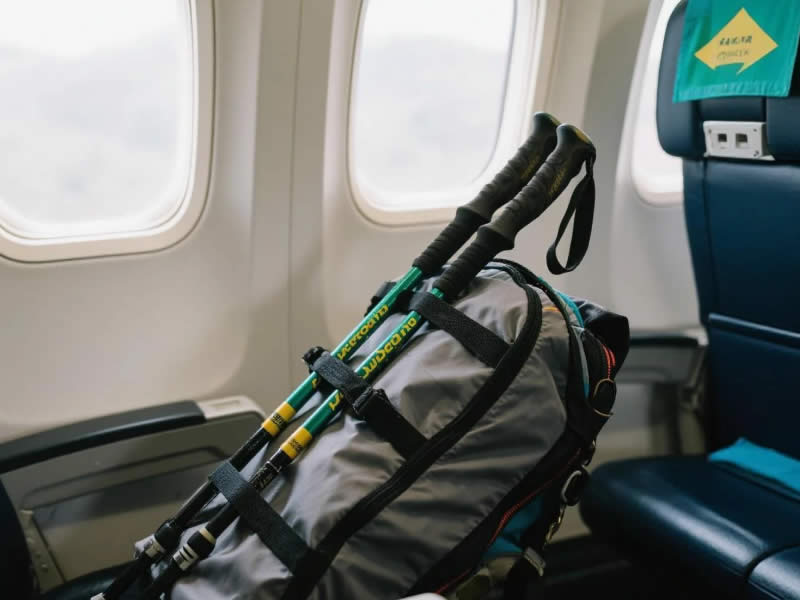
Recommended trekking pole purchase link: https://lightenup.aliexpress.com/store/1101521655
Step 1: Understand airline rules (LATAM, Gol, American, United)
All major airlines flying from the US to Brazil—including LATAM, Gol, American, Delta, and United—prohibit trekking poles in carry‑on luggage. They must be checked. Knowing this upfront saves you from last‑minute confiscation.
Step 2: Collapse and secure the poles
- Fully collapse each pole (shortest length, usually 35–45 cm).
- Remove any sharp attachments (carbide tips can puncture bags).
- Cover tips with rubber walking tips or wrap them with several layers of duct tape.
- Use a Velcro strap or rubber band to keep sections from rattling.
Step 3: Choose your packing method
Option A – Inside your checked suitcase (best for protection)
Place the collapsed poles flat along the bottom of your suitcase. Position them near the rigid frame or between soft clothing. Avoid placing them against the outer shell where baggage handlers might drop the bag. Wrap them in a folded towel or puffy jacket to prevent metal‑on‑metal noise and damage.
Option B – Dedicated pole tube or bag (ideal for long or expensive poles)
Hard‑sided ski pole tubes or padded trekking pole bags (e.g., from Black Diamond or REI) offer excellent protection. These count as one checked item. Some airlines allow a separate “sporting equipment” bag without extra fee—check your carrier’s policy.
Option C – Cardboard shipping tube (budget DIY)
Use a sturdy poster tube or mailing tube. Collapse poles inside, tape the ends securely, and label it “FRAGILE – TREKKING POLES.” Tape the tube to the inside of your suitcase or check it as a separate item. This works but is less durable for connecting flights.
Step 4: Reinforce against Brazilian baggage handling
Brazilian airports (GRU, GIG, BSB) are modern, but bags can go through multiple conveyor belts and truck transfers. Add these touches:
- Place poles inside a plastic bag to protect other gear from dirt or rust.
- Use a TSA‑approved lock on your suitcase—not required for poles but helpful for overall security.
- If using a soft‑sided duffel, wrap poles in bubble wrap or foam pipe insulation (from hardware stores, cheap and effective).
Step 5: At check‑in
Declare your trekking poles. For LATAM or Gol, they may ask to see the item. Keep the poles accessible (near the top of your suitcase) in case of inspection. Have your return flight information ready—Brazilian agents sometimes ask for proof of onward travel.
Step 6: What NOT to do
- Do NOT carry poles in your personal item or carry‑on. TSA will find them, and you’ll have to surrender them or miss your flight.
- Do NOT pack poles loosely in a bag without tip protection—they can tear through fabric and damage other luggage.
- Do NOT assume “collapsible means carry‑on allowed.” The ban applies regardless of size.
Bonus tip: Renting vs. bringing
If you’re worried about packing or paying for checked luggage, consider renting poles in Brazil. Outdoor shops in Rio (e.g., Adventure Hostel), São Paulo (Casa da Montanha), or Salvador rent quality poles for R$15–30 per day. For long treks, owning your poles is still better, but renting simplifies your flight.
Final checklist before your US‑to‑Brazil flight
- Poles collapsed and tips covered
- Wrapped in protective layer (cloth or foam)
- Placed inside checked suitcase or padded tube
- Suitcase lock applied (optional but smart)
- Checked airline’s sports equipment policy (no extra fee for poles)
Bottom line
Packing trekking poles for a flight to Brazil is easy once you know the rules. Always check them, protect the tips, and wrap them well. A few minutes of careful packing will ensure your poles arrive ready for those stunning Brazilian descents. Happy trekking!




