




Should I buy trekking poles online or from a physical store in Brazil?
You’ve decided to buy trekking poles for your Brazilian adventures—whether for the muddy Atlantic Forest or the rocky Chapada Diamantina. But now comes the next question: should you buy them online (Mercado Livre, Amazon Brasil, Decathlon website) or from a physical store? Both have pros and cons. The best approach for most people is try in person, then buy online. Here’s why and how.
Recommended trekking pole purchase link: https://lightenup.aliexpress.com/store/1101521655
Advantages of buying from a physical store in Brazil
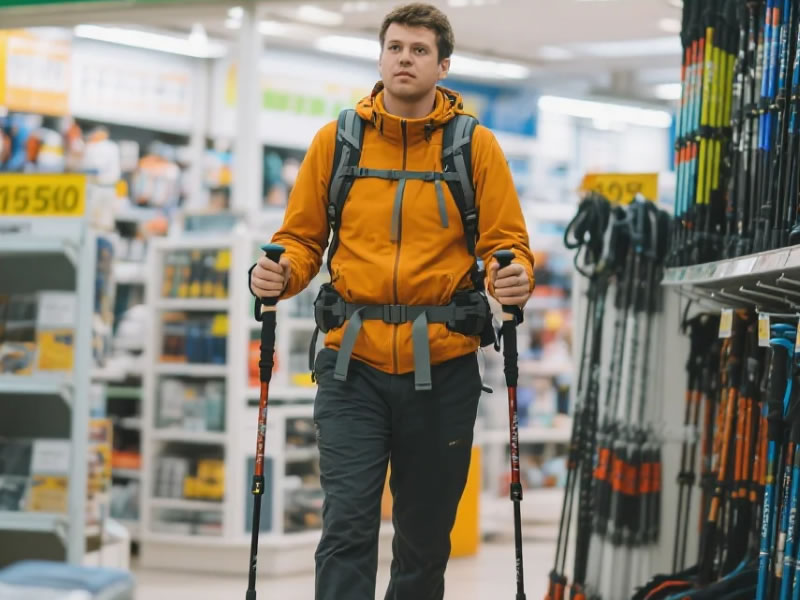
- You can test before buying – This is the biggest benefit. You can extend the poles, check lock firmness, feel the grip (cork vs. foam), and assess weight. Stores like Decathlon, Adventure Sports (Rio/SP), and Trekking & Cia allow hands‑on testing.
- Immediate availability – No waiting for shipping. If you need poles for a hike this weekend, a physical store delivers instantly.
- Easy returns and warranty – If a lock breaks after one use, you can walk back to the store. Online returns in Brazil can be slow and require shipping costs.
- Expert advice – Staff at specialty stores are often hikers themselves. They can recommend pole length, tip types, and baskets for Brazilian conditions.
Disadvantages of physical stores
- Higher prices – Physical stores have overhead costs. The same Black Diamond poles may cost 20–30% more than online.
- Limited selection – Small shops carry only a few brands. You might not find budget options or specific models.
- Pressure to buy – Some salespeople push expensive models.
Advantages of buying online in Brazil
- Lower prices – Online retailers (Mercado Livre, Amazon, Decathlon’s website) often undercut physical stores by 15–40%. Flash sales and coupons further reduce cost.
- Wider selection – You can find obscure brands, left‑handed poles, or specific lengths. Online stores have stock from all over Brazil.
- User reviews – Hundreds of reviews from real Brazilian hikers help you avoid bad products.
- Delivery to remote areas – If you don’t live in Rio, São Paulo, or Curitiba, online is your only option for specialty gear.
Disadvantages of online
- Can’t test feel – You might receive poles with uncomfortable grips or stiff locks.
- Shipping costs and delays – Frete grátis not always available; delivery can take 5–15 days to inland Brazil.
- Return hassle – Under Brazilian law, you have 7 days to return online purchases, but you pay return shipping unless the product is defective.
The hybrid strategy (recommended)
- Visit a physical store – Go to Decathlon or a local shop. Test 3–5 different pole models. Note the brands, lengths, and grip types you like.
- Search online – Look for the exact same model on Mercado Livre, Amazon, or Decathlon’s site. Compare prices.
- Buy online if cheaper – If you save more than 20%, order online. If the price difference is small (under R$30), buy in the store to support local business and get instant ownership.
Specific Brazilian considerations
- Decathlon stores – They often price‑match their own website. Show the online price at the register; they may adjust.
- Mercado Livre – Look for “Full” sellers with free returns. Many offer “leva e testa” (try and then decide) on certain products.
- Local outdoor co‑ops – Some small shops in hiking towns (Lençóis, Campos do Jordão) offer reasonable prices and invaluable local advice. Don’t dismiss them.
Final verdict
For casual weekend hikers on a budget: buy online after reading reviews. For serious trekkers who value fit and durability: try in a physical store first, then consider online for price. The ideal path: visit Decathlon to test, then buy from either the same store (if price matches) or a trusted online seller. Avoid blind online purchases of cheap twist‑lock poles—they are almost always disappointing. With a little legwork, you’ll get the perfect poles for your Brazilian trails.




