




Do I need trekking poles for the Travessia Petrópolis–Teresópolis in Serra dos Órgãos?
The Travessia Petrópolis–Teresópolis is one of Brazil’s most classic and challenging multi‑day treks. Spanning roughly 30 km across the Serra dos Órgãos mountain range in Rio de Janeiro state, it connects the cities of Petrópolis and Teresópolis through spectacular terrain: steep ascents, narrow ridges, slippery descents, and the famous “Dedo de Deus” views. If you’re planning this trek, you’re likely asking: do I really need trekking poles? The short answer is yes, strongly recommended for almost all hikers. Here’s why.
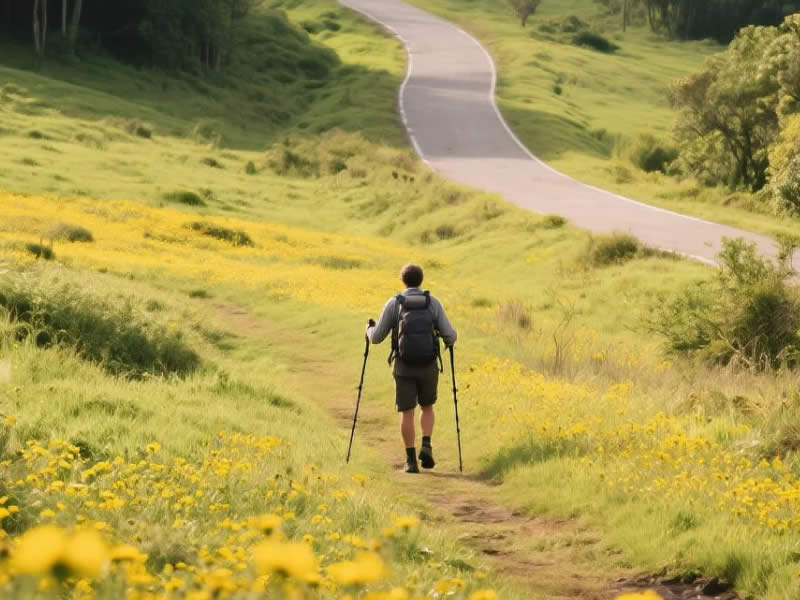
Recommended trekking pole purchase link: https://lightenup.aliexpress.com/store/1101521655
Understanding the terrain
The Travessia is not a casual walk. It involves:
- Cumulative elevation gain of over 2,000 meters (ascent and descent)
- Steep, often muddy sections – The Atlantic Forest climate means rain is common, turning trails into slick clay
- Rocky scrambles – Parts of the trek, like the “Pedra do Sino” approach, require hands‑on climbing, but poles can be stowed
- Long descents – The final drop into Teresópolis is particularly punishing on knees
Why poles are almost essential
- Knee protection on long descents – The descent from the highest point (Pedra do Sino, ~2,260 m) down to Teresópolis loses over 1,000 meters, much of it on uneven, wet rock. Without poles, your knees will absorb repeated shock. With poles, you transfer 20–30% of that force to your arms.
- Balance on narrow ridges – Sections like “Fenda da Freira” and the ridge near “Cabeça do Leão” have exposed drops. Two poles give you four points of contact, drastically reducing fall risk.
- Mud management – After rain, the trail becomes a slip‑and‑slide. Poles allow you to test footing and stabilize before committing your full weight.
- River crossings – Several streams cross the path. Poles provide stability against slippery rocks and current.
- Heavy pack assistance – Most hikers carry 8–12 kg (food, water, camping gear). Poles help lift your body over rocks and roots, preserving leg strength for the second day.
Can you do it without poles?
Yes, experienced mountaineers with excellent balance and strong knees have completed the Travessia without poles. However, they are the exception. For the average fit hiker, going pole‑less means:
- Significantly higher fatigue
- Greater risk of falls (especially on the descent)
- Potential knee pain lasting days after the trek
What type of poles to bring
- Aluminum flick‑lock poles – Durable, easy to adjust, and can handle being jammed between rocks.
- Cork grips – Sweat‑absorbing; humid conditions are common.
- Rubber tip covers – For the paved sections near the start/end; also protect the trail.
- Optional: Mud baskets if rain is forecast.
Alternatives if you don’t own poles
- Rent in Petrópolis – Several outdoor shops near the trailhead offer pole rentals (R$20–30 per day).
- Use a wooden staff – Some hikers find a fallen branch, but it’s not as effective as two poles.
- Join a guided group – Guides often carry spare poles for clients.
Final verdict
For the Travessia Petrópolis–Teresópolis, trekking poles are not mandatory, but very close to it. Unless you are an exceptionally strong, experienced hiker with iron knees, bring a good pair. They will save your joints, improve safety on wet descents, and make the 30 km feel manageable rather than miserable. After two days of traversing the Serra dos Órgãos, you’ll be grateful for every plant. Don’t leave home without them.




