




What trekking pole tip shape is best for limestone paths in Bonito?
Bonito, Mato Grosso do Sul, is famous for its crystal‑clear rivers, waterfalls, and limestone caves. The trails here often wind over smooth, water‑worn limestone rock – surfaces that can be treacherously slick, especially when wet. Choosing the right trekking pole tip shape is critical for safety and for preserving the delicate rock. After testing various options on Bonito’s paths, the clear winner is a blunt or pyramid‑shaped carbide tip.
Recommended trekking pole purchase link: https://lightenup.aliexpress.com/store/1101521655
Why traditional sharp tips struggle on limestone
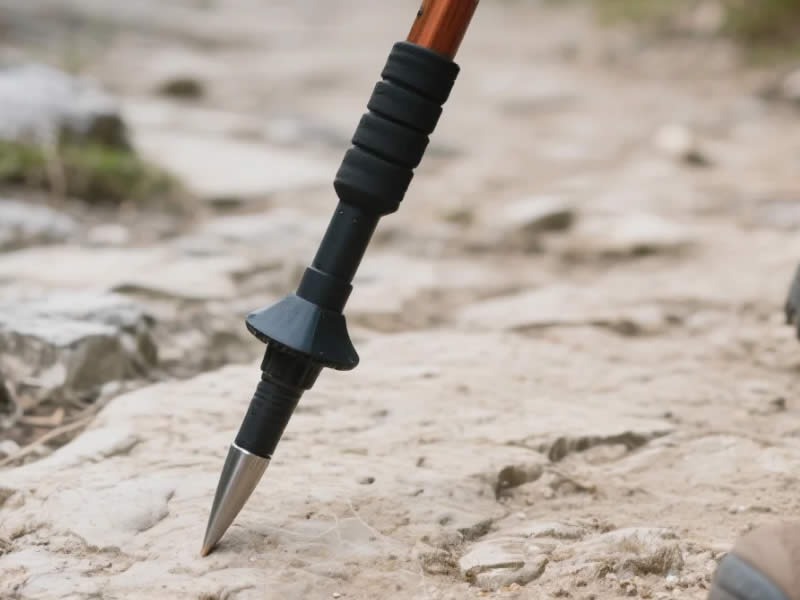
Standard trekking pole tips are typically sharp, conical carbide points. On dirt or soil, they penetrate and grip well. But on smooth, dense limestone, a sharp tip behaves like a needle on glass – it skates sideways, offering little purchase. The small contact area also concentrates pressure, which can scratch or pit the rock over time, damaging the very beauty visitors come to see.
The ideal shape: blunt or pyramid carbide tips
A blunt (rounded) or multi‑faceted pyramid tip works much better for three reasons:
- Increased contact area – A blunter shape spreads force over a larger surface, creating more friction without digging in. This prevents the skating sensation.
- Micro‑grip – Pyramid tips have small edges that catch on the limestone’s natural micro‑roughness. They don’t pierce but rather “key” into the rock.
- Lower impact on the rock – Less scratching and pitting means you’re being a responsible steward of Bonito’s geological heritage.
What about rubber tips?
Rubber tip covers are sometimes used on pavement, but on wet limestone they are dangerously slippery. They offer almost no traction and should be removed before hiking Bonito’s natural trails.
Testing in Bonito conditions
On a typical Bonito trail (e.g., Boca da Onça, Estância Mimosa), the limestone can be wet from spray or rain. A sharp carbide tip will slide audibly; you can feel the lack of control. Switching to a blunt or pyramid tip (e.g., Black Diamond’s “Rock Tip” or LEKI’s “Trekking Tip”) provides immediate confidence. The pole plants with a solid “thud” and stays put.
Where to find such tips in Brazil
- Decathlon – Their standard carbide tips are sharp. However, you can modify them by filing down the point slightly with a coarse stone (do this carefully). Better: buy replacement tips from specialty shops.
- Adventure Sports (Rio/SP) – Sells Black Diamond “Flex Tips” in a blunt “rock” version. Also LEKI “Flextips” which have a pyramid shape.
- Mercado Livre – Search for “ponteira de carbeto rombuda” or “ponteira para rocha”. Expect R$20–40 per pair.
Maintenance tips for limestone hiking
- Replace tips often – Limestone is abrasive. Even blunt tips wear down. Check for flattening every 50 km.
- Clean after each trip – Limestone dust can clog lock mechanisms. Rinse with water.
- Carry spares – If you’re doing a multi‑day trek in Bonito, bring extra tips.
Technique tip for limestone
On smooth, sloping limestone, plant your pole at a slightly steeper angle (closer to vertical) than on dirt. This directs the tip’s force into the rock rather than scraping across it.
Final verdict
For limestone paths in Bonito, the best trekking pole tip shape is a blunt or pyramid‑shaped carbide tip. Sharp, needle‑like tips slip and can damage the rock. Rubber covers are useless. Invest in quality blunt carbide tips, replace them when worn, and you’ll walk safely and responsibly over Bonito’s beautiful limestone surfaces – preserving them for the next visitor.




