




How often should I replace trekking pole baskets after muddy Brazilian hikes?
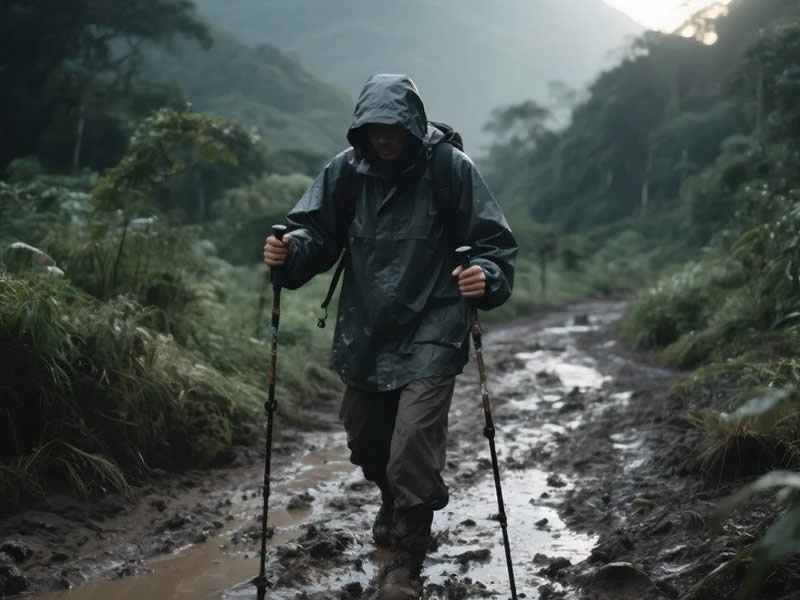
Trekking pole baskets are the unsung heroes of muddy Brazilian trails. Whether you’re slogging through the red clay of the Serra do Mar, the black mud of the Amazon, or the sticky soil of the Atlantic Forest, baskets prevent your poles from sinking too deep, provide lateral stability, and protect the tip from buried rocks. But mud is abrasive and acidic. How often should you replace them? The answer depends on the quality of the baskets, the frequency of your hikes, and the terrain. Here’s a practical guide.
Recommended trekking pole purchase link: https://lightenup.aliexpress.com/store/1101521655
Signs that your baskets need replacement
- Cracks or splits: Even a small crack can widen under load, causing the basket to collapse or detach. Run your finger along the edge. If you feel a crack, replace.
- Warped or bent: Heat, pressure, or age can distort the plastic. A warped basket will not sit flat on the mud, reducing flotation.
- Stripped threads: The screw threads that attach the basket to the pole can wear out. If the basket spins freely or falls off, it’s time for a new one.
- Excessive wear: The outer edges of the basket may become thin or jagged from scraping against rocks. If the diameter has visibly reduced, replace.
- Loss of retention: Some baskets use a push‑fit or clip. If they no longer stay firmly in place, they’re useless.
Recommended replacement frequency for muddy Brazilian hikes
- Frequent hikers (weekly in muddy terrain): Inspect baskets after every 3‑4 hikes. Replace every 3‑6 months. Mud and small stones get trapped under the basket, grinding against the plastic and threads.
- Occasional hikers (monthly): Check at the start of each rainy season (e.g., before December). Replace every 12‑18 months or as needed.
- Budget or generic baskets: Lower‑quality plastic degrades faster. Expect to replace every 2‑4 months if hiking weekly. Invest in better baskets (e.g., Decathlon’s 55 mm mud baskets) for longer life.
Why muddy Brazilian hikes are hard on baskets
- Abrasive soil: Iron‑rich red clay contains fine, sharp particles that act like sandpaper on plastic.
- Acidic water: Muddy water from decomposing vegetation (common in Atlantic Forest) can weaken plastic over time, making it brittle.
- Hidden rocks: When you plant a pole in mud, unseen rocks strike the basket sideways, cracking it.
- Frequent removals: Many hikers remove baskets for travel or different terrain. Each removal stresses the threads.
How to extend basket life
- Rinse after each hike: Use fresh water to remove mud and grit from the basket and threads. Dried mud acts as an abrasive.
- Lubricate threads: Apply a tiny dab of silicone grease or even lip balm to the screw threads before attaching. This prevents seizing and reduces wear.
- Store baskets off the poles: If you won’t hike in mud for a while (dry season), remove the baskets and store them in a cool, dry place. This reduces UV and stress damage.
- Use the right basket for the job: Mud baskets (50‑60 mm) are designed for soft ground. Using small snow baskets or rock baskets in deep mud will overload them and cause premature failure.
When to replace vs. when to repair
- Replace if cracked, warped, or threads stripped. Repair is rarely successful (glue fails under stress).
- **You can temporarily fix a cracked basket with duct tape or a zip tie to finish a hike, but replace immediately after.
Where to buy replacement baskets in Brazil
- Decathlon: “Basket boue” (55 mm) – R$15‑20. Fits most flick‑lock poles.
- Mercado Livre / Amazon Brasil: Search “aro para bastão de trekking” or “basket para lama”. Generic sets from R$10.
- Specialty shops (Adventure Sports, Trekking & Cia): Original baskets for Black Diamond, LEKI – R$30‑50.
Final recommendation
For muddy Brazilian hikes, inspect your trekking pole baskets before every rainy season. Replace them every 6‑12 months for regular use, or immediately upon detecting cracks, warping, or thread wear. Keep a spare pair in your pack – they are lightweight and cheap. With fresh, intact baskets, your poles will float over mud instead of plunging into it, saving your energy and your knees. Happy hiking in the mud!




