




How to fix a squeaky trekking pole that annoys wildlife in the rainforest?
The Amazon or Atlantic Forest rainforest is a cathedral of natural sounds: bird calls, insect hums, and the gentle rustle of leaves. When your trekking pole emits a high‑pitched squeak with every plant, it not only annoys you – it can disturb wildlife, alerting animals to your presence and ruining the chance of spotting shy creatures like jaguars, tapirs, or tinamous. A squeaky pole is often a simple mechanical issue. Here’s how to silence it quickly and quietly, so you can move through the rainforest with minimal disruption.
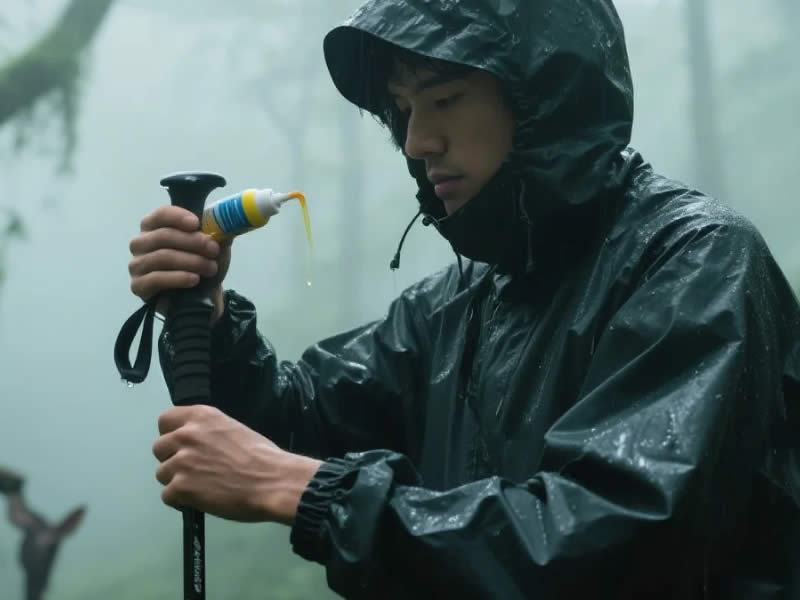
Recommended trekking pole purchase link: https://lightenup.aliexpress.com/store/1101521655
Why trekking poles squeak in humid environments
- Moisture and debris – Rainforest humidity and fine organic matter (sap, pollen, mud) can get into joints and locking mechanisms, causing friction.
- Loose flick lock cams – The external lever’s pivot point can dry out or collect grit, leading to a metallic chirp.
- Twist lock expanders – When the plastic expander rubs against the inner tube, it can produce a squeaking or grinding sound.
- Shaft sections rubbing – If two telescopic sections are not perfectly aligned, they can vibrate and squeak when loaded.
Step‑by‑step silencing
1. Identify the source – Walk a few steps, planting each pole separately. If the sound comes from the locking mechanism, focus there. If it comes from the lower section, it may be the tip or basket.
2. Clean first, then lubricate – Dirt is often the cause. Extend the pole fully. For flick locks, open the lever and rinse the cam area with a few drops of clean water (use your water bottle). Wipe with a cloth. For twist locks, unscrew the section and clean the plastic expander and inner tube with a brush.
3. Use the right lubricant – Apply a tiny amount of silicone spray to:
- Flick lock pivot points (the metal pin and the cam).
- The inside of twist lock tubes (spray onto the expander).
- The joints where sections slide (wipe a thin film on the upper part of the lower section).Avoid oil‑based lubricants (WD‑40, chain grease) – they attract more dirt and can damage plastic.
4. Tighten loose components – Check that flick lock bolts are snug (use a hex key). Ensure baskets are screwed on firmly – a loose basket can rattle and squeak.
5. Check the tip and basket – A worn carbide tip can screech on rock; replace it. A cracked basket may vibrate; replace it or remove it temporarily.
6. Use rubber tip covers – If you are walking on hard surfaces (even in the rainforest, there may be exposed roots or rocks), rubber covers dampen noise significantly. They also protect the carbide tip.
7. Apply a dry lubricant as a last resort – If silicone spray is not available, a tiny amount of graphite powder (from a pencil) can work. Rub it on the contact points. However, graphite can be messy.
What to avoid
- Using too much lubricant – Excess will run down the pole, making the grip slippery and attracting dirt.
- Using cooking oil or wax – These go rancid or become sticky in heat.
- Ignoring the squeak – Over time, friction can wear down the mechanism, leading to lock failure.
Noise‑free technique for wildlife observation
Even a silent pole can make noise if you plant it carelessly. To minimize disturbance:
- Plant gently – Lower the tip slowly instead of stabbing.
- Use a diagonal stride – Place the pole slightly behind your hip, not ahead, to reduce impact.
- Stow poles when stationary – When you stop to listen or observe, collapse or set down the poles to avoid accidental tapping.
Preventive maintenance for rainforest trips
- Before entering the rainforest, lubricate your poles with silicone spray.
- Carry a small cloth and a tiny vial of silicone spray in your pack for trailside fixes.
- At the end of each day, rinse mud off and let poles dry extended (prevents rust and squeaks).
Final verdict
A squeaky trekking pole in the rainforest is not only annoying but can also reduce your chances of seeing wildlife. The fix is usually simple: clean the locking mechanism, apply a tiny amount of silicone lubricant, and tighten any loose parts. For immediate silence, rubber tip covers help. With quiet poles, you’ll move through the rainforest like a ghost – hearing more, disturbing less, and enjoying the true symphony of the wild.




