




Can trekking poles help with balance for diabetic neuropathy patients?
Diabetic neuropathy is a common complication of diabetes that damages peripheral nerves, often leading to loss of sensation, weakness, and balance issues—especially in the feet and lower legs. For patients who love the outdoors or simply want to stay active, hiking on natural terrain can be challenging and even dangerous due to increased fall risk. Trekking poles, commonly used by hikers to reduce knee strain, might also offer significant balance benefits for people with diabetic neuropathy. This article explores how trekking poles can help, the science behind it, and practical advice for patients in Brazil or anywhere else.
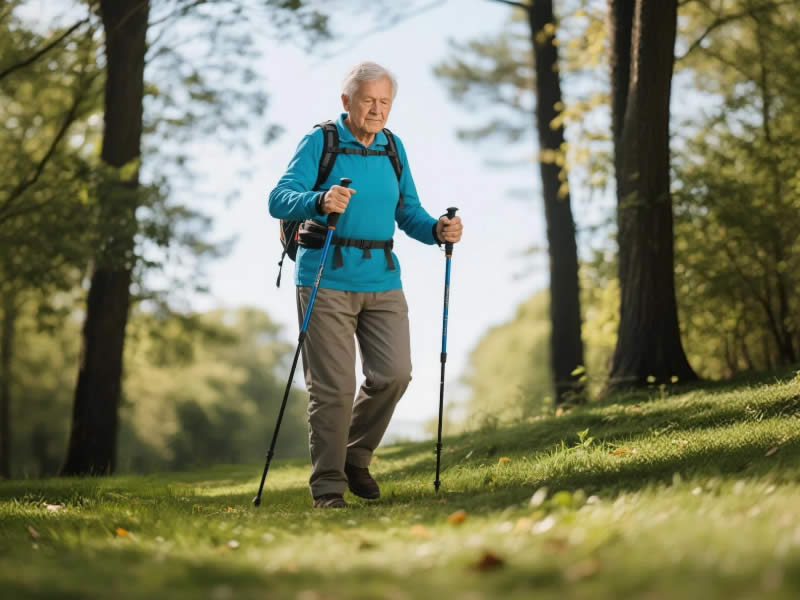
Recommended trekking pole purchase link: https://lightenup.aliexpress.com/store/1101521655
How diabetic neuropathy affects balance
Peripheral neuropathy typically begins in the feet, causing numbness, tingling, burning pain, or loss of proprioception (the ability to sense where your feet are in space). Without reliable sensory feedback from the soles, the brain struggles to adjust posture in real time. This leads to unsteadiness, especially on uneven surfaces like grass, gravel, or roots. Falls are common and can result in fractures, head injuries, and loss of independence.
How trekking poles improve balance
Trekking poles act as additional sensory and mechanical supports:
- Proprioceptive input – By gripping the poles, the hands and arms send extra sensory signals to the brain about ground contact and body position. This compensates for reduced feedback from the feet.
- Wider base of support – Two poles effectively transform a bipedal stance into a four‑point support. Even if one foot slips, the poles can arrest a fall.
- Stability on uneven terrain – When stepping on a rock or root, you can test the surface with a pole tip before committing your weight. This “probing” reduces surprises.
- Reduced postural sway – Studies show that using two trekking poles decreases the body’s natural sway, especially in older adults or those with neurological conditions.
- Confidence and gait normalisation – Knowing you have extra support helps patients walk more naturally, reducing the fear of falling which often makes balance worse.
Evidence and expert opinion
While specific studies on diabetic neuropathy and trekking poles are limited, research on elderly populations and patients with Parkinson’s disease shows that walking with poles improves dynamic balance, reduces fall rates, and increases walking speed. A 2015 study in Gait & Posture found that Nordic walking (active pole use) improved balance and reduced falls in older adults. Extrapolating to diabetic neuropathy, the biomechanical benefits are likely similar. Many physical therapists recommend trekking poles or walking sticks for patients with peripheral neuropathy.
Practical recommendations for diabetic neuropathy patients
- Choose the right poles – Look for adjustable flick‑lock poles (easier to set correct height). Cork grips absorb sweat and reduce blister risk. Lightweight aluminium is durable and less tiring. Rubber tip covers are essential for pavement and indoor use; carbide tips work on trails.
- Set correct height – With arms relaxed at sides, the handle should be at wrist height. When holding the pole vertically, the elbow should bend at 90°. This ensures optimal leverage and reduces shoulder strain.
- Use two poles, not one – One pole can create asymmetric balance. Two poles provide true four‑point contact.
- Learn proper technique – Plant the pole opposite the forward foot (right pole with left foot). Use the wrist strap correctly: hand goes up through the loop, then down to grip. The strap carries weight, allowing a relaxed grip.
- Start on easy terrain – Practice in a park or a flat, dry trail before tackling steep or muddy Brazilian paths. Build confidence gradually.
- Inspect feet before and after – Neuropathic patients may not feel blisters or hot spots. Use poles to reduce pressure on feet, but still check for injuries.
- Consult your doctor – Before starting any new exercise, discuss with your physician or physical therapist. They can tailor recommendations to your specific level of neuropathy and overall health.
Additional benefits for diabetic patients
- Reduced load on feet – Poles transfer up to 20‑30% of body weight from the lower body to the arms, reducing pressure on painful or numb feet.
- Cardiovascular exercise – Using poles increases upper body engagement, raising heart rate slightly without extra impact – good for glucose control.
- Social and psychological – With improved stability, patients may feel more confident to walk with family or friends, reducing isolation.
Potential risks and how to avoid them
- Over‑reliance – Do not skip foot care because poles help. Always wear proper diabetic footwear.
- Shoulder or wrist strain – If poles are too long or technique is poor, you can develop pain. Watch tutorial videos or ask a professional.
- Tripping – Incorrect planting (placing the pole ahead of the body) can cause a trip. Practice the “plant at your side” technique.
Where to buy in Brazil
- Decathlon – Affordable, with exchangeable tips and rubber covers. Forclaz 500 is a good balance of weight and durability (R$199).
- Adventure Sports – Higher‑end models with more ergonomic grips.
- Mercado Livre – Search for “bastão de trekking para idoso” (senior poles) – some models come with extra‑wide rubber bases for maximum stability on pavement.
Final verdict
Yes, trekking poles can significantly help with balance for diabetic neuropathy patients. They provide sensory feedback, widen the base of support, and reduce fall risk on uneven Brazilian trails. With proper selection and technique, they empower patients to stay active, explore nature, and maintain independence. Always combine pole use with regular foot checks, appropriate footwear, and medical guidance. For many, trekking poles are not just a hiking accessory but a life‑changing mobility aid.




