




What are the most durable trekking poles for camping on rocky Brazilian outcrops?
Brazil’s rocky outcrops—known as lajeados or campo rupestre—are a paradise for trekkers and campers. From the quartzite ridges of Chapada Diamantina to the granite domes of Serra do Cipó and the sprawling rock fields in Itatiaia National Park, these surfaces are unforgiving. Sharp edges, abrasive grit, and hard impact can destroy flimsy trekking poles. So, what are the most durable trekking poles for camping on rocky Brazilian outcrops?
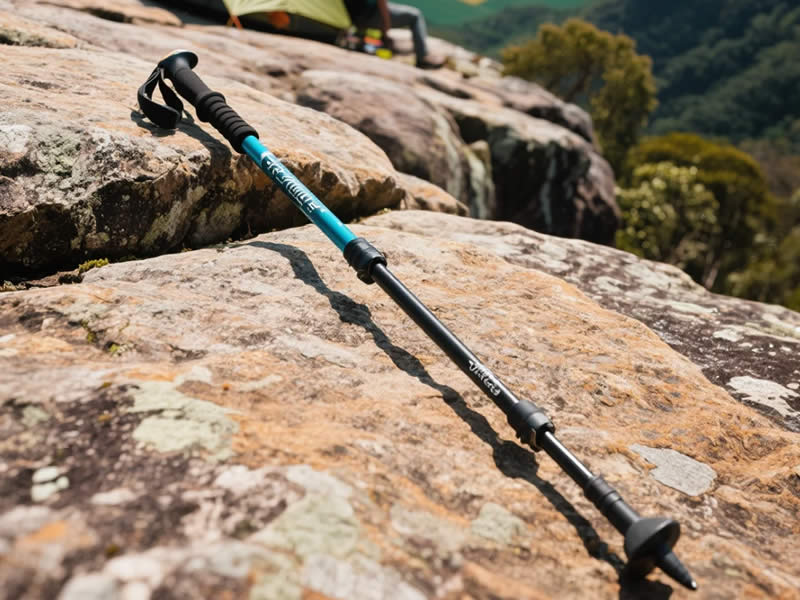
The answer: heavy‑duty 7075 aluminium poles with steel tips and robust lever locks. Carbon fiber is not recommended. Let’s explain why, and which models stand up to Brazil’s toughest terrain.
Why carbon fiber fails on rocky outcrops
Carbon fiber is light and stiff, but it fails catastrophically when nicked or scratched. A single sharp rock strike can create a crack that splinters under load. On Brazilian outcrops, where you’re constantly placing poles into cracks or against sharp edges, carbon poles are a liability. Aluminium, especially 7075 alloy (aircraft grade), bends rather than breaks. You can often straighten a bent aluminium pole in the field; a shattered carbon pole is trash.
Key features for rock‑hard durability
- Material – 7075 aluminium (not 6061). 7075 has nearly twice the tensile strength. Examples: Black Diamond’s Trail series, Leki’s Makalu series.
- Tip – Tungsten carbide tips welded or screwed into a steel ferrule. Avoid poles with glued‑in tips—they pop out on rocky ground.
- Locking mechanism – Lever (cam) locks, not twist locks. Twist locks slip and jam when grit enters the joint. Lever locks are field‑cleanable.
- Lower section – Some poles have a steel lower segment (e.g., Leki Makalu Titanium). That adds weight but ultimate durability.
- Basket – Small, removable baskets protect the lower joint from rock abrasion. Don’t use large snow baskets.
Top durable poles for Brazilian outcrops
- Black Diamond Trail Back – 7075 aluminium, FlickLock levers, carbide tips. Weighs ~530 g per pair. Proven on Appalachian Trail and Brazilian lajeados. Price: mid‑range.
- Leki Makalu (aluminium version) – Legendary durability. SpeedLock Plus, 7075 shaft, steel lower tip section. Slightly heavier (600 g/pair) but virtually indestructible. Used by mountain guides worldwide.
- Komperdell Titanium Alu Powerlock – 7075 aluminium with a titanium carbide tip. Powerlock lever system. Available in some Brazilian specialty stores.
- Decathlon Forclaz MT900 – High‑end aluminium with lever locks. Surprisingly tough for the price (~R$300). Good for beginner outcrop campers.
Brazil‑specific recommendations
- Chapada Diamantina (e.g., Vale do Pati, Fumacinha): sharp quartzite edges. Use Leki Makalu with steel lower section.
- Serra do Cipó: smooth but hard granite. Black Diamond Trail Back works well.
- Itatiaia National Park: high altitude, wind, and rock. Komperdell or Leki are best.
Maintenance after rocky trips
- Inspect tips for wear. Replace if rounded.
- Clean lever locks with a toothbrush to remove grit.
- Check for bends: roll each section on a flat surface.
What to avoid
- Any carbon fiber poles (risk of splintering).
- Budget twist‑lock poles (will slip and jam).
- Poles with plastic joint collars (crack on impact).
Final verdict
For camping on rocky Brazilian outcrops, invest in 7075 aluminium poles with lever locks and steel‑reinforced tips. The Black Diamond Trail Back and Leki Makalu are top choices. They are heavier than ultralight poles, but they won’t leave you stranded with a broken shelter. On sharp lajeados, durability trumps grams every time. Pack a small file to sharpen worn tips, and your poles will last years of brutal Brazilian terrain.




