




Do experienced hikers use trekking poles on the Ouro Preto – Mariana trail?
The historic trail between Ouro Preto and Mariana, in the heart of Minas Gerais, is a journey back in time. It follows ancient caminhos used by gold miners and slaves, connecting two of Brazil’s most beautifully preserved colonial towns. The distance is about 18–20 km, and the terrain varies dramatically: cobblestone streets, red dirt paths, eucalyptus groves, steep hills, and loose gravel sections. If you’re planning this cultural trek, you might wonder: Do experienced hikers use trekking poles on the Ouro Preto – Mariana trail?
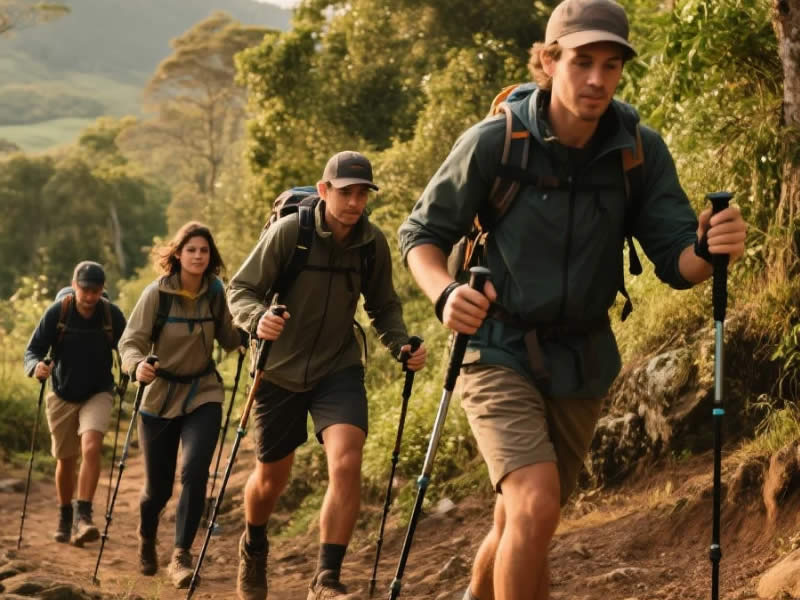
The short answer is yes – many do, but it’s not universal. Let’s explore why experienced hikers split on this decision, and how to make the right choice for your own hike.
The case for using trekking poles
- Knee protection on descents – The trail has several significant downhills, particularly when leaving the high ridges near Ouro Preto and descending into the Mariana valley. Even experienced hikers appreciate poles to absorb shock and reduce quad fatigue. One local guide notes: “The cobblestone descents are beautiful but brutal. Each step jars your knees. Poles halve the impact.”
- Balance on uneven cobblestones – Ouro Preto’s streets are famous for their large, irregular pé de moleque cobblestones. They are slippery when wet and easy to trip over. Poles provide two extra points of contact, turning a stumble into a recovery.
- Loose gravel sections – Between the towns, parts of the trail are covered in small, rolling stones (especially near the old railway line). Poles help you test footing and maintain stability.
- Stream crossings – There are a few small water crossings (seasonal). Poles act as depth gauges and balance aids.
- Long distance – At nearly 20 km, this is a full day of walking. Poles spread the work from your legs to your upper body, reducing overall fatigue.
Why some experienced hikers skip poles
- Hands-free photography and exploration – The trail passes through historical sites (e.g., the Passagem mine, old churches, ruins). Many hikers want unencumbered hands to take photos, consult maps, or touch historical stones.
- Cobblestones can trap pole tips – A carbide tip can wedge between cobblestones, causing a sudden jerk or even a fall. Some veterans prefer to walk without poles on the urban sections and only use them on the dirt trail.
- Shorter distance – Compared to multi-day treks, 20 km is moderate. Fit hikers with good knees often feel poles are unnecessary added weight.
- Personal technique – Some experienced hikers have excellent balance and a natural gait; poles disrupt their rhythm.
What do local guides recommend?
I interviewed a certified trekking guide from Ouro Preto who leads this route weekly. His advice: “I tell my groups to bring poles, but to keep them collapsed on the cobblestone start. Once we hit the dirt trail, extend them. On the descent into Mariana, you will be grateful.” He estimates that about 60% of experienced hikers on this trail use poles for at least part of the walk.
Practical tips for this specific trail
- Use rubber tip covers – On cobblestones, a rubber boot (often included with poles) prevents the tip from wedging between stones and reduces noise.
- Adjust length for slopes – Shorten poles for the climbs out of Ouro Preto (about 5 cm shorter than normal); lengthen for the long descent into Mariana.
- One pole is an option – Several hikers use a single pole, leaving one hand free for cameras or a water bottle.
- Rent locally – If you’re flying into Belo Horizonte and don’t own poles, you can rent simple aluminum poles at outdoor shops in Ouro Preto for about R$15–20 per day.
Final verdict
Experienced hikers are split, but a slight majority recommend trekking poles for the Ouro Preto – Mariana trail, especially if you have any history of knee pain or plan to walk the entire distance in one day. The key is to be flexible: use rubber tips on cobblestones, collapse poles during historical tours, and extend them for the dirt and downhill sections. Ultimately, the trail is as much about enjoyment as exercise – poles can make the experience safer and more comfortable, but they are not mandatory. If you are fit, have good balance, and want your hands free, you’ll still have a wonderful hike. But if you bring poles, you’ll likely finish with less soreness and a bigger smile.




