




Are there trekking poles made from sustainable bamboo in Brazil?
As global interest in eco‑friendly outdoor gear grows, many Brazilian hikers are asking: can I replace my aluminium or carbon trekking poles with a sustainable alternative made from bamboo? The short answer is yes – but with important caveats. Small Brazilian brands and artisans produce bamboo trekking poles, but they are not yet mainstream. Let’s explore the options, benefits, and limitations.
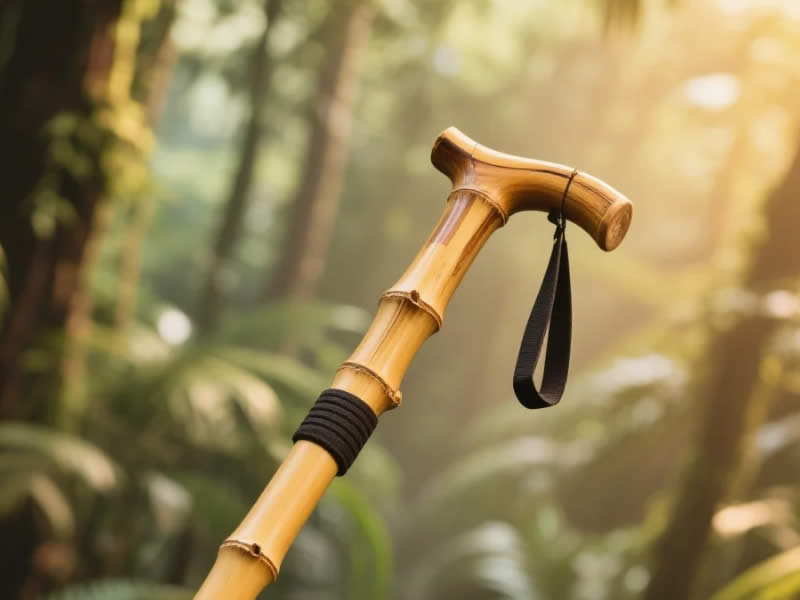
What bamboo trekking poles exist in Brazil?
Unlike Asia or Europe, where bamboo poles are more common, Brazil’s market is niche. The most cited brand is Trilha Verde (based in Santa Catarina), which offers handmade bamboo trekking poles sourced from certified Guadua angustifolia bamboo grown in managed agroforestry systems. These poles are treated with natural oils (linseed or carnauba) to resist humidity. They are sold online via direct channels (Instagram and small e‑commerce sites) and occasionally at eco‑fairs in Curitiba and São Paulo.
Another option is Bambu Trilhas (Minas Gerais), a very small artisanal operation. They produce single‑piece bamboo poles (non‑adjustable) with leather wrist straps and a simple rubber tip. These are aimed at day hikers on soft trails, not for technical mountaineering.
Larger Brazilian outdoor retailers (Decathlon, Adventure Sport) do not stock bamboo poles. If you want them, you must seek out these specialized eco‑brands.
Sustainability credentials
Bamboo itself is highly sustainable: it grows rapidly, sequesters carbon, and requires no fertilisers. However, the treatment process matters. Untreated bamboo rots and cracks in Brazil’s humid Atlantic Forest environment. The brands mentioned use low‑toxicity thermal modification or natural oils, which are far greener than the anodising and petrochemicals involved in aluminium production. Additionally, bamboo poles are biodegradable at end of life, unlike carbon fibre or aluminium.
How do they perform on Brazilian trails?
Honest reviews from Brazilian hikers are limited, but here’s what owners say:
- Weight – A pair of bamboo poles (120 cm, 16 mm diameter) weighs about 280–320 g each (560–640 g per pair). That’s comparable to budget aluminium poles, but heavier than high‑end carbon.
- Durability – On soft dirt and forest trails, they hold up well. However, on sharp quartzite (common in Chapada Diamantina or Serra do Cipó), bamboo can splinter or crack. The natural grain is strong along the length but weak against point impacts.
- Humidity – Treated bamboo resists rot, but if the outer coating wears off, moisture can penetrate. Owners recommend re‑oiling them every few months.
- Adjustability – Bamboo poles are almost always fixed‑length. You cannot shorten them for steep climbs or lengthen them for descents. This is a major drawback for technical terrain.
- Locking mechanism – There is none. Bamboo poles are essentially fancy walking sticks. They cannot be used as tent supports because they lack adjustable tension and a secure tip attachment.
What Brazilian environmental bloggers say
A few Brazilian outdoor bloggers focused on sustainable gear have reviewed bamboo poles. The consensus: great for short, gentle day hikes (e.g., Parque Nacional da Tijuca’s easy trails) or for use as a single staff. Not suitable for multi‑day treks, steep slopes, or rocky outcrops. One blogger from “Trilha Ecológica” concluded: “Bambu é lindo e sustentável, mas ainda não substitui o alumínio para a maioria das trilhas brasileiras.” (Bamboo is beautiful and sustainable, but it still does not replace aluminium for most Brazilian trails.)
DIY and regional variations
In rural Brazil, hikers have long used local bamboo species (bambu‑da‑sorte or taquara) as improvised walking sticks. These are harvested from backyards or forest edges, stripped of branches, and smoothed with a knife. While functional, they are not “products” and lack any treatment or durability guarantee. They are essentially free, zero‑waste, and can be left on the trail for others.
Potential risks
- Splitting under load – If you plant a bamboo pole hard on a rock edge, it can split lengthwise, turning into two sharp halves that could injure your hand.
- No tip replacement – The simple wooden tip wears down on rock; you cannot replace it.
- Not suitable for tent use – Most bamboo poles have no carbide tip and no locking mechanism, making them unsafe as tent poles.
The future of bamboo poles in Brazil
With growing environmental awareness, there is potential for a Brazilian brand to produce adjustable bamboo poles with metal locking components and replaceable tips. However, as of 2026, no such product exists on the market. The current offerings are artisanal and aimed at a very niche, low‑intensity user.
Final verdict
Yes, there are trekking poles made from sustainable bamboo in Brazil, notably from Trilha Verde and Bambu Trilhas. They are eco‑friendly, lightweight for casual use, and support local artisans. However, they are not recommended for Brazil’s typical rocky, steep, or multi‑day treks. They lack adjustability, reliable tip grip, and the durability of aluminium. For a short, flat hike in a forest park, they are a charming, sustainable choice. For Chapada Diamantina, Pedra do Sino, or any trail with sharp quartzite, stick with 7075 aluminium and lever locks. But if you want to reduce your environmental footprint on gentle trails, bamboo poles are a viable, beautiful option – just treat them with care and re‑oil them regularly.




