




Are aluminium trekking poles more recyclable than carbon ones?
Yes, aluminium trekking poles are significantly more recyclable than carbon fibre poles. This difference in recyclability has important environmental implications for hikers who want to reduce their gear’s end‑of‑life impact. Let’s examine the materials science, recycling infrastructure, and practical realities for Brazilian consumers.
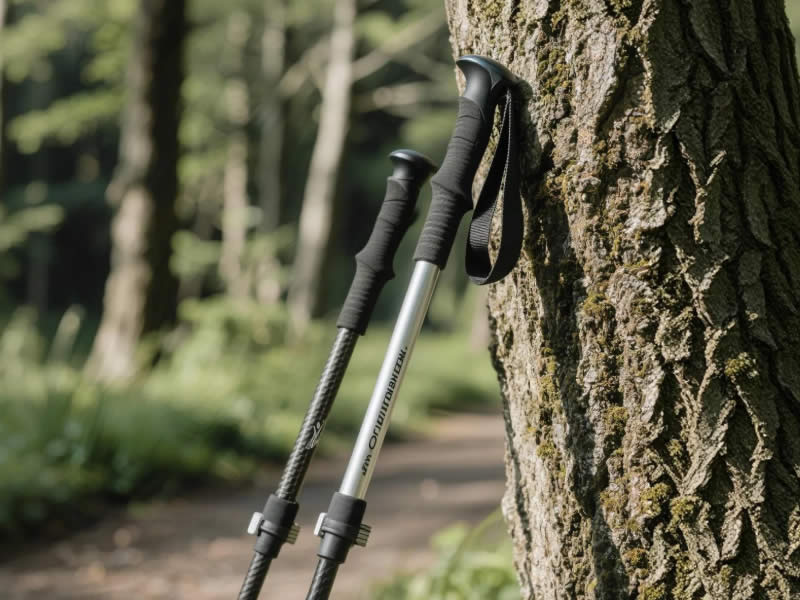
The fundamental material difference
Aluminium is a metal. Carbon fibre is a thermoset composite. This distinction determines everything about recyclability.
- Aluminium – When a trekking pole is melted down, the aluminium retains its chemical properties. It can be remelted and recast into new products (beverage cans, car parts, or even new poles) repeatedly without degradation. The energy required to recycle aluminium is only about 5% of that needed to produce primary aluminium from bauxite ore.
- Carbon fibre – Carbon fibre poles consist of continuous carbon filaments embedded in a cured epoxy resin. Thermoset resins do not melt. They burn or char. Recycling carbon fibre typically involves pyrolysis (heating in an oxygen‑free environment) to burn off the resin, leaving short, chopped fibres that have only a fraction of the original strength. These recovered fibres are used in low‑grade applications like automotive fillers or concrete reinforcement – never in new trekking poles.
What “recyclable” means in practice for trekking poles
- Aluminium poles – In theory, the aluminium shaft can be recycled by any metal recycler. However, trekking poles also contain steel tips, plastic baskets, rubber or cork grips, and aluminium or plastic locking mechanisms. A recycler would need to separate these materials. In Brazil, most scrap yards will accept aluminium poles but may require the user to remove grips and tips. The aluminium tube itself has scrap value (currently about R$5‑7 per kg). The rest (grips, straps, plastic) goes to landfill.
- Carbon fibre poles – Even the fibre itself has little value. Most recycling facilities cannot process carbon composites. In Brazil, there is no commercial carbon fibre recycling. These poles almost always end in landfill or incineration. A broken carbon pole cannot be melted down or reshaped.
Real‑world recycling in Brazil
Brazil has a robust metal recycling industry for beverage cans, car parts, and construction materials. Small aluminium extrusions (like trekking pole shafts) can be recycled, but they are low volume. In major cities (São Paulo, Rio, Curitiba), scrap metal buyers will accept clean aluminium poles. However, most consumers do not know this, and the poles end in mixed waste.
Carbon fibre recycling simply does not exist in Brazil. Some specialised facilities in Europe or the US can process carbon, but shipping waste internationally is not economically or environmentally sensible. Therefore, for practical purposes, carbon trekking poles are non‑recyclable in Brazil.
The durability factor and life extension
Recyclability is only part of the equation. A pole that lasts longer avoids the need for recycling in the first place.
- Aluminium – 7075 alloy poles can be straightened if bent, and components (tips, locks, baskets) are replaceable. A well‑maintained aluminium pole can last a decade or more.
- Carbon fibre – Carbon is strong but brittle. A single scratch on quartzite can lead to catastrophic splintering. Repairs are usually impossible. Carbon poles tend to have shorter usable lifespans, especially on Brazil’s rocky trails.
Thus, even if both materials were equally recyclable, the longer life of aluminium reduces waste generation.
Carbon fibre’s hidden environmental cost
The manufacturing of carbon fibre is energy‑intensive (up to 14 times more than aluminium per kg) and uses toxic chemicals. The resin system is derived from petrochemicals. After a short life (often 2‑3 years for an active Brazilian hiker), the pole becomes waste that persists for centuries. Aluminium’s production also has a high carbon footprint, but the material can be recycled repeatedly, capturing the embedded energy.
What about biodegradable alternatives?
Bamboo poles (e.g., Trilha Verde) are even more eco‑friendly than aluminium, but they are not suitable for technical terrain. For most Brazilian trekkers, aluminium is the best balance of durability, repairability, and recyclability.
How to recycle aluminium trekking poles in Brazil
- Remove the grip (cut off if glued), the wrist strap, and the tip (if not replaceable, a metal shop can press it out).
- Separate any plastic baskets or lock collars.
- Take the bare aluminium shaft sections to a scrap metal yard (sucata). Search for “compra de sucata de alumínio” in your city.
- The yard will weigh the aluminium and pay a small amount (a few reais). That’s fine – the goal is responsible disposal, not profit.
- The grips, straps, and plastic can go to regular waste (or upcycle them).
For carbon poles, there is no similar path. Landfill is the only option.
Final verdict
Yes, aluminium trekking poles are vastly more recyclable than carbon fibre poles. Aluminium can be melted down and reused repeatedly; carbon fibre cannot be recycled in Brazil and rarely anywhere else. When combined with aluminium’s longer lifespan and repairability, the environmental case for choosing aluminium over carbon for Brazilian trails is overwhelming. If you want to minimise your gear’s end‑of‑life impact, buy aluminium poles with replaceable tips and lever locks, maintain them well, and when they finally wear out, take the shafts to a metal recycler. Carbon poles may be lighter, but they leave a permanent footprint on the planet.




