




Are trekking poles useful for the North Downs Way?
The North Downs Way is a 153-mile (246 km) National Trail that runs from Farnham in Surrey to Dover in Kent, following the chalk ridge of the North Downs. It is a varied trail—woodland paths, open downland, chalky ridges, and occasional steep descents. The short answer to whether trekking poles are useful is yes, but not essential. They are particularly helpful for walkers with joint issues, those carrying heavy packs, or anyone walking in wet conditions. For fit, light-pack walkers in dry weather, you can manage without. This guide explores when poles are most beneficial, what type to choose, and practical tips for the trail.
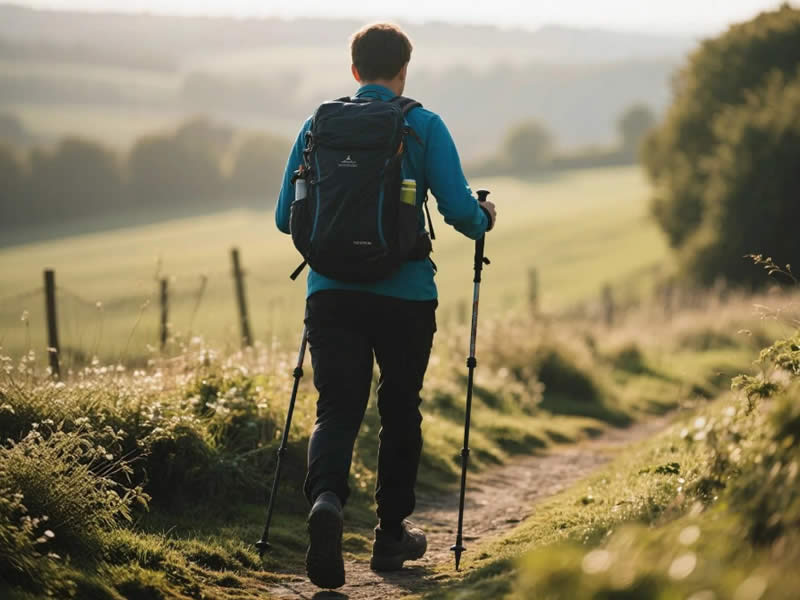
Understanding the North Downs Way terrain
The North Downs Way is characterised by:
- Chalky ridges and downland – The trail follows the chalk escarpment, with firm, well-drained paths in dry weather but slippery, greasy conditions after rain.
- Steep ascents and descents – Notable climbs include Box Hill (which has steep steps), Reigate Hill, and the descent into the Medway Valley. These sections can strain knees, especially on a multi-day walk.
- Woodland paths – Sections through ancient woodland can be rooty and uneven, requiring careful footing.
- Muddy patches – After rain, some sections can become muddy and slippery, particularly in shaded woodland areas.
- Pilgrims' Way sections – The trail follows ancient tracks, which can be rough and uneven in places.
- Road sections – Some stretches pass through villages or along quiet roads.
The total ascent over the full route is around 4,000 metres, with frequent ups and downs rather than long, sustained climbs. This constant undulation can fatigue legs and stress knees.
When trekking poles are most useful
- Knee protection on descents – The steep descents, such as the one from Box Hill or the approach to the Medway Valley, can be hard on knees. Poles offload 20–30% of impact force, reducing strain and fatigue.
- Stability on chalky, slippery slopes – Chalk becomes greasy after rain, making descents treacherous. Poles provide two extra points of contact, preventing slips and falls.
- Balance on uneven woodland paths – Rooty sections and loose stones are common. Poles help you maintain stability on uneven ground.
- Rhythm on long, flat stretches – On the rolling downland, poles can help maintain a steady pace, engaging your upper body and reducing leg fatigue over a 10–15 mile day.
- Stream crossings – The trail crosses several small streams; poles help test depth and maintain balance on wet stones.
- Weight distribution – If you are carrying a heavy pack (camping gear), poles transfer some load to your upper body, reducing leg fatigue.
When poles are not needed
- Fit walkers with light packs – If you are walking with a daypack and have good knees, the North Downs Way's terrain is manageable without poles.
- Dry, firm conditions – On a sunny day with dry chalk, the paths are firm and non-slippery.
- Short daily distances – If you are walking 8–10 miles a day, fatigue and joint strain are less of a factor.
What type of poles to choose for the North Downs Way
If you decide to use poles, choose a pair suited to the chalky, undulating terrain:
- Aluminium or carbon – The terrain is not extremely rocky, so carbon is safe from side impacts. Aluminium is more affordable and durable.
- Lever locks – Twist locks can slip when wet or muddy. Lever (cam) locks are more reliable in damp conditions.
- Replaceable carbide tips – The chalky soil is abrasive and will wear down tips. Replaceable tips are more economical.
- Cork grips – In damp weather, cork grips remain tacky and comfortable. Foam grips can become slimy; rubber becomes slippery.
- Mud baskets – Useful for muddy sections after rain. Fit them in wet conditions; remove them on dry, firm sections.
- Rubber tips – Essential for road sections to save your carbide tips from wear.
Top recommendations for the North Downs Way
- Decathlon Forclaz MT900 (£55) – Best value. 7075 aluminium, lever locks, cork grips, replaceable tips. Accepts mud baskets. Lightweight and durable.
- Leki Makalu (£90–100) – Premium choice. SpeedLock Plus, 7075 aluminium, steel lower section for abrasion resistance, cork grips. Virtually indestructible.
- Black Diamond Trail Back (£75–85) – Similar to Makalu but with FlickLock system. Lighter and ergonomic.
- Leki Micro Vario Carbon (£130–150) – Lightweight folding carbon poles. Ideal if you want to stow poles on road sections.
- Decathlon Forclaz MT100 (£25) – Budget aluminium with twist locks. Adequate for dry, firm conditions, but twist locks can slip in wet weather.
Practical tips for the North Downs Way
- Adjust pole length – Shorten by 5–10 cm for the steep ascents (e.g., up Box Hill); lengthen by 5–10 cm for the descents.
- Use rubber tips on road sections – The trail has some road walking; rubber protectors save your carbide tips and reduce noise.
- Stow poles on flat sections – On long, flat stretches of downland, you may find poles unnecessary. Collapse and strap them to your pack.
- Fit mud baskets in wet weather – For muddy sections, fit mud baskets to prevent sinking. Remove them on firm, chalky ground.
- Clean after each day – Chalk dust and mud can accumulate in locks. Rinse with fresh water and dry thoroughly.
Where to buy before your walk
- Decathlon UK – Forclaz MT900 (best value; also stocks mud baskets and spare tips).
- Go Outdoors – Price-match and discount card can make Leki and Black Diamond more affordable.
- Cotswold Outdoor – Expert advice and in-store testing.
- SportPursuit – Flash sales on premium brands.
Final verdict
On the North Downs Way, trekking poles are useful but not essential. They offer significant benefits for walkers with joint issues, heavy packs, or those walking in wet conditions. The chalky, undulating terrain with steep descents and slippery sections makes poles a valuable comfort aid. However, fit walkers with light packs in dry weather can complete the trail comfortably without them. If you do use poles, choose lightweight aluminium or carbon models with lever locks, cork grips, and replaceable tips. The Decathlon Forclaz MT900 offers excellent value. Ultimately, the decision is personal—many walkers appreciate the extra stability on descents and muddy patches, while others enjoy the freedom of hands-free walking. Whatever you choose, the North Downs Way is a beautiful and accessible trail, and a pair of poles will only enhance your comfort if you feel you need them. Happy walking.




