




What is the best trekking pole tip for wet rock and roots?
For wet rock and roots, a sharp tungsten carbide tip is the best choice. It bites into micro‑cracks in the rock and grips roots far better than rubber, which slides dangerously on damp surfaces. Some walkers use a studded rubber "crampon" cap for extra grip on smooth, wet stone, but for typical UK conditions (wet rock, muddy roots, and damp soil), a bare carbide tip is the reliable standard. Rubber tips are fine for pavement, but not for wet, uneven terrain. Regularly replace worn tips to maintain maximum bite. This article explains why carbide wins, when to use other options, and how to maintain your tips.
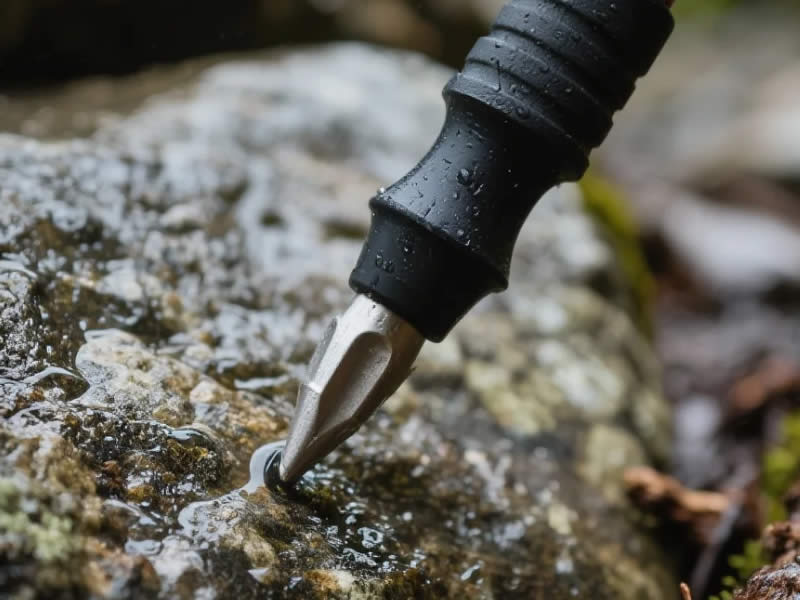
1. Why tungsten carbide is best for wet rock and roots
Tungsten carbide is an extremely hard, wear‑resistant material. On wet rock, the sharp tip penetrates small surface irregularities and micro‑cracks, providing a secure foothold. It also grips the fibrous surface of tree roots, preventing the pole from sliding sideways. The friction between a sharp carbide tip and a wet surface is surprisingly good—much better than any rubber compound.
2. Why rubber tips are dangerous on wet rock
Rubber tips (ferrules) are designed for pavement and indoor use. On wet rock, the rubber can lose traction, causing the pole to skid. This can destabilise you and lead to a fall. On roots, rubber can slide across the smooth, damp surface. If you are using rubber tips on wet terrain, remove them—they are a hazard.
3. Studded rubber crampon tips – a niche option
Some brands sell rubber caps with small metal studs embedded in the sole. These are designed for ice or very smooth wet rock (e.g., polished granite). They can provide extra bite on slippery stone, but they are less effective on roots and mud. They also wear down quickly on abrasive surfaces. For most UK conditions, they are overkill.
4. The importance of tip sharpness
A dull tip reduces grip. On wet rock, a blunt tip skids; on roots, it skips. Check your tips regularly—if the carbide is rounded or chipped, replace them. Replacement tips are cheap (£10–15 per pair) and easy to fit on most poles.
5. Which tip shape is best?
- Standard carbide tip – The most common. Sharp, durable, effective on most surfaces.
- Needle tip – Longer, sharper, designed for hard ground. Excellent on wet rock.
- Steel tip – Less hard than tungsten carbide, wears down faster. Avoid for wet conditions.
6. Practical tips for wet conditions
- Plant deliberately – Place the tip firmly on the rock or root; do not jab it.
- Angle the pole – Plant slightly tilted to increase the surface area in contact with the rock.
- Adjust length – Lengthen poles on descents to get a better plant angle.
- Carry spare tips – Worn tips reduce grip. Replace them before they become blunt.
7. Final verdict
For wet rock and roots, a sharp tungsten carbide tip is the best choice. It bites into micro‑cracks, grips roots, and provides reliable traction in the damp conditions common on UK trails. Rubber tips are dangerous on wet rock—remove them before entering wet terrain. Studded crampon tips are useful on polished rock but are less versatile. The key is maintaining a sharp tip: check regularly and replace when worn. With a good carbide tip, you can plant your poles confidently on even the wettest, rootiest ground.




