




What is the best way to pack trekking poles for a flight to Europe?
The best way to pack trekking poles for a flight to Europe is to always pack them in checked luggage, use a dedicated padded bag or a PVC tube for protection, and fit rubber tip covers to prevent punctures. Loosen the locks slightly to account for cabin pressure changes, and wrap the poles in clothing for extra cushioning. For maximum protection, use a rigid PVC pipe cut to the length of your collapsed poles. Below is a step‑by‑step guide to ensure your poles arrive safely at your European hiking destination.
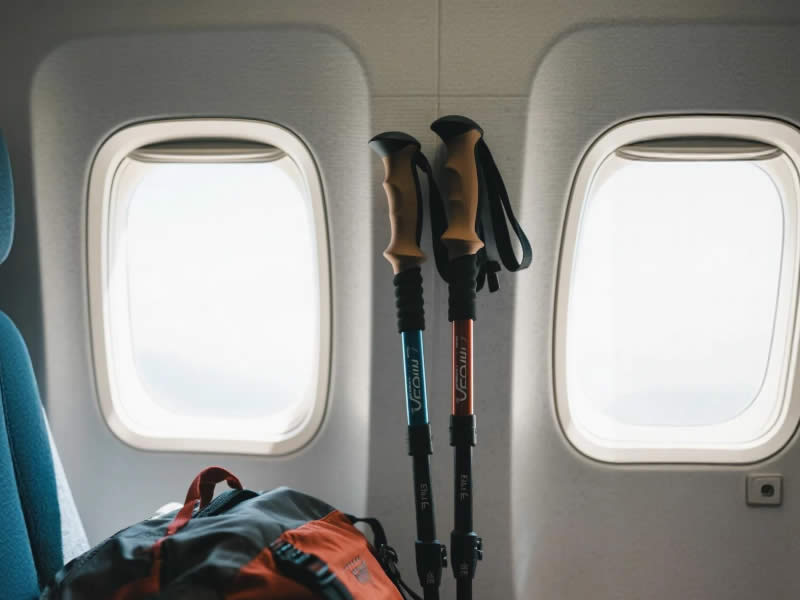
1. The golden rule – check them in
Trekking poles are prohibited in hand luggage on all commercial flights within the UK, the EU, and most other countries. Security regulations classify them as potential weapons. Even if they are folding poles with blunt tips, they are not allowed in the cabin. Attempting to take them through security will result in confiscation. Always pack your poles in checked luggage.
2. Choose the right protective case
There are three main options for protecting your poles during air travel:
a. Dedicated padded pole bag – The most convenient option. Brands like Leki, Black Diamond, and Decathlon sell padded bags that fit one or two pairs of folded poles. They are lightweight, collapsible, and offer good protection against scratches and minor impacts. Cost: £15–30.
b. PVC tube (DIY) – The most protective option. Buy a length of PVC pipe (e.g., 75 mm diameter) from a hardware store, cut it to the length of your collapsed poles, and cap the ends. This is virtually indestructible and protects against crushing. Cost: £5–10.
c. Wrapped in clothing – If you don't have a dedicated bag, wrap your poles in your softest clothing (fleeces, jumpers, rain jackets) and place them in the centre of your suitcase. This is less protective but works for short flights if you pack carefully.
3. Step‑by‑step packing guide
- Collapse the poles – Shorten all sections to their minimum length. For folding poles, fold them completely.
- Fit rubber tip covers – Place rubber tip protectors (ferrules) over the carbide tips. This prevents the sharp tips from piercing your bag, clothing, or other gear.
- Loosen the locks – Slightly loosen any lever or twist locks by 1–2 turns. Cabin pressure changes can cause locks to bind; loosening them prevents this.
- Wrap the poles – For extra protection, wrap each pole in a soft cloth or a light towel. This prevents them from banging against each other and reduces scratches.
- Place in the case – Put the wrapped poles in your padded bag or PVC tube. If using a suitcase, place them in the centre, surrounded by soft items (clothing, sleeping bag) to absorb shocks.
- Secure the case – If using a padded bag, zip it closed and secure with a luggage strap (to prevent the zip from bursting). If using a PVC tube, tape the ends closed.
- Pack in your checked luggage – Place the case in your checked suitcase. If the suitcase is full, the poles will be well‑supported. If there is space, fill the gaps with soft items to prevent movement.
4. What to avoid
- Don't pack poles in hand luggage – They will be confiscated.
- Don't leave locks fully tightened – They can seize with pressure changes.
- Don't leave tips uncovered – They can puncture your bag or clothing.
- Don't pack them loosely – Poles banging against each other can cause damage.
- Don't rely on a flimsy bag – A thin bag offers little protection against crushing.
5. Airline policies – what to check
- Baggage allowance – Most airlines allow a standard checked bag (20–23 kg). Ensure your poles (and other gear) do not exceed the weight limit.
- Sports equipment fees – Some low‑cost airlines (e.g., Ryanair, EasyJet) charge extra for "sports equipment" if the bag exceeds certain dimensions. Check their policy before booking.
- Carry‑on allowance – Some airlines allow folding poles in checked luggage only. Do not attempt to take them as carry‑on, regardless of airline.
6. What to carry in hand luggage
- Spare tips – Carry a spare pair of carbide tips in your hand luggage. If your tips are damaged during the flight, you can replace them immediately.
- Spare straps – A spare pair of wrist straps is lightweight and could save your trek.
- Hex key – For tightening lever locks if they loosen.
7. After landing
- Check your poles – As soon as you collect your luggage, inspect your poles for any damage. Open them, check the locks, and test the tips.
- Remove the rubber covers – Take off the rubber tips for trail use.
- Tighten the locks – Re‑tighten any loosened locks.
- Adjust length – Set your poles to your preferred length for the first day's walk.
8. Alternatives to packing poles
- Buy at your destination – If you are flying to a hiking destination (e.g., Chamonix, the Dolomites), you can buy poles there. However, this is more expensive and you may not find your preferred model.
- Rent poles – Some outdoor shops at popular hiking destinations offer pole rental. Check in advance.
- Ship poles – You can ship your poles to your first accommodation (e.g., via DHL, UPS). This is usually more expensive than checking them in.
9. Final verdict
The best way to pack trekking poles for a flight to Europe is to check them in, use a padded bag or PVC tube, fit rubber tip covers, and loosen the locks. Wrap them in soft items to prevent movement and damage. Always check your airline's baggage policy before you fly. With careful packing, your poles will arrive safely, ready for your European hiking adventure.




