




Are carbide tips worth the investment for Brazilian rocky mountain trails?
Yes – carbide tips are definitely worth the investment for Brazilian rocky mountain trails. The quartzite and granite that dominate Brazilian trails, such as those in Chapada Diamantina and Serra do Mar, are highly abrasive. Steel tips wear down quickly on these surfaces, losing their grip and requiring frequent replacement. Carbide tips last 3–5 times longer, provide better grip on hard rock, and are replaceable, allowing you to fit new tips rather than buying new poles.
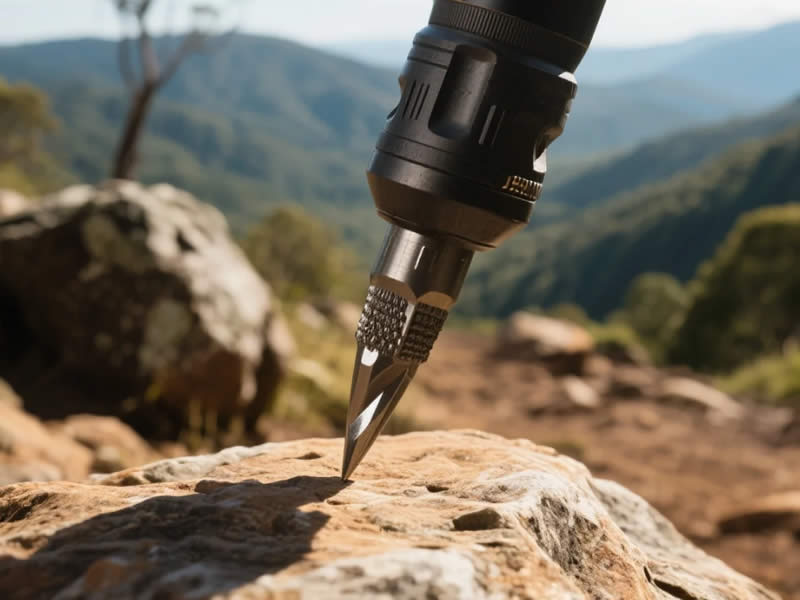
Cost comparison:
- Carbide tips: ~R$30–50 per pair, lasting 500–1000+ miles on rocky terrain.
- Steel tips: cheaper upfront but need replacing much more often, costing more over time.
Verdict: For Brazilian rocky mountain trails, carbide tips are a wise investment. The Decathlon Forclaz MT900 and Leki Makalu both have replaceable carbide tips. For the abrasive quartzite and granite of Brazilian trails, carbide is essential.
1. Why Brazilian rock is so abrasive
Brazil's mountains are composed mainly of quartzite and granite—two of the hardest and most abrasive rocks in the world. Quartzite, in particular, is highly resistant to wear and has a rough, sharp texture. When you plant a pole on these surfaces, the tip is subjected to constant abrasion. A steel tip can wear down in a matter of weeks on these trails, while carbide tips are designed to withstand this punishment.
2. Carbide vs. steel – performance comparison
| Feature | Tungsten Carbide | Steel |
|---|---|---|
| Hardness | 8.5–9 Mohs | 6–7 Mohs |
| Lifespan on rock | 500–1000+ miles | 100–300 miles |
| Grip on rock | Excellent – bites into hard surfaces | Poor when worn |
| Replaceable | Yes (most quality poles) | Often not replaceable |
| Cost | Higher upfront | Lower upfront |
3. Why carbide tips last longer on Brazilian trails
- Hardness – Tungsten carbide is much harder than steel. It resists wear from the abrasive quartzite particles that grind down steel tips.
- Edge retention – Carbide holds a sharp edge longer, maintaining grip on hard rock.
- Impact resistance – Carbide is brittle but holds up well under vertical loads. Steel can deform on impact.
4. The cost‑benefit analysis
| Steel Tips | Carbide Tips | |
|---|---|---|
| Cost per pair | ~R$15–20 | ~R$30–50 |
| Lifespan (miles) | 100–300 | 500–1000+ |
| Cost per 1,000 miles | ~R$50–150 | ~R$30–50 |
Over time, carbide tips are more cost‑effective. They also save you the hassle of frequent replacement.
5. Additional benefits
- Safety – A sharp tip provides better grip on rocky descents, reducing the risk of slips.
- Confidence – Knowing your tips will last gives you confidence on long treks.
- Sustainability – Replacing tips is more sustainable than replacing entire poles.
6. What about other tip materials?
- Steel – Cheaper but wears quickly on abrasive rock. Not recommended for frequent use on quartzite.
- Tungsten carbide – The best choice for rocky terrain. Durable, grip‑oriented, and replaceable.
- Titanium – Rare and expensive. Not a practical choice for most hikers.
7. Where to buy carbide tips in Brazil
- Decathlon – Forclaz replacement tips (~R$30–50). Compatible with Forclaz MT900 and many other poles.
- Adventure Sport – Leki genuine tips (~R$50–80). Compatible with Leki poles.
- Mercado Livre – Generic and branded tips. Check compatibility.
8. Final verdict
Carbide tips are a worthwhile investment for Brazilian rocky mountain trails. They last longer, grip better, and are more cost‑effective than steel tips. For the abrasive quartzite and granite of Chapada Diamantina and Serra do Mar, carbide is essential. The Decathlon Forclaz MT900 and Leki Makalu both have replaceable carbide tips—an important feature for Brazilian hiking. Happy hiking.




