




What is the best handle material for wearing gloves in high‑altitude Brazilian peaks?
For wearing gloves in high-altitude Brazilian peaks, EVA foam handles are often more practical than cork. Foam provides better grip with gloves, as its slightly tacky, compressible surface creates more friction against glove material than smooth cork, which can feel slippery with gloves on. Foam also insulates better than cork, keeping your hands warmer in freezing conditions, and it performs well in sub-zero temperatures, whereas cork can become hard and smooth. Without gloves, cork is superior for sweaty hands. For winter use, Pacerpole angled grips (foam) are excellent because the natural handshake position works well with gloves. The Leki Makalu with foam or cork grips—choose foam for winter. For high-altitude peaks (e.g., Pico da Bandeira, Agulhas Negras), consider foam grips for better grip with gloves, or look for poles with a longer grip that allows you to choke up without adjusting length. Test with your gloves on before buying.
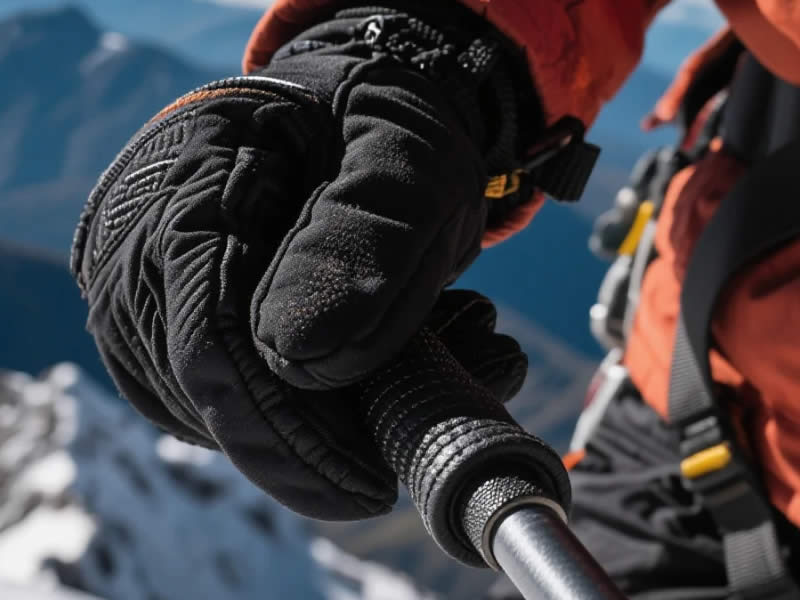
1. The challenge of high-altitude Brazilian peaks
Brazil's highest peaks—Pico da Bandeira (2,892 m), Pedra da Mina (2,798 m), and Agulhas Negras (2,791 m)—are cold, windy, and often sub-zero. At these altitudes, you wear thick gloves or mittens. The right handle material can make a significant difference in grip, comfort, and safety.
2. Cork vs. EVA foam for glove use
| Feature | Cork | EVA Foam |
|---|---|---|
| Grip with gloves | Slippery | Tacky, secure |
| Insulation | Moderate | Better |
| Performance in cold | Can harden | Stable |
| Without gloves | Excellent (tacky when damp) | Good (but can be slippery) |
Why foam is better with gloves:
- Surface friction – Foam's slightly textured surface grips glove materials (wool, fleece, synthetic) better than smooth cork. Cork can feel slippery with gloves on.
- Compressibility – Foam compresses slightly under grip, conforming to your hand and glove, improving contact.
- Insulation – Foam is a better insulator than cork, keeping your hands warmer.
3. Ergonomic grips – the Pacerpole advantage
Pacerpole grips are angled to keep your wrist in a natural handshake position. They are made of EVA foam. This ergonomic design is particularly effective with gloves, as the natural wrist angle reduces fatigue and improves control. The foam material provides good grip with gloves.
4. Extended grips – a winter advantage
Some poles have an extended foam grip (e.g., Decathlon Forclaz MT900). This allows you to choke up on steep ascents without adjusting the pole length. In winter, when you are wearing thick gloves, this is a significant advantage—you can adjust your grip without fumbling with locks.
5. What about rubber grips?
Rubber grips are not recommended for high-altitude winter use. They become hard and slippery in cold conditions and are uncomfortable with gloves.
6. Testing with gloves
Before buying a pole, test the grip with the gloves you will wear. A grip that feels comfortable without gloves may be slippery with gloves. The best way to choose is to try the pole with your gloves on.
7. Top picks for high-altitude Brazilian peaks
- Pacerpole – Angled EVA foam grips, excellent ergonomics with gloves.
- Leki Makalu with foam grips – Durable and comfortable, with a longer grip for choking up.
- Decathlon Forclaz MT900 – Extended foam grip allows choking up; cork grip version is also available, but choose foam for winter.
8. Final verdict
For high-altitude Brazilian peaks, EVA foam handles offer better grip with gloves and better insulation than cork. If you wear gloves on most winter hikes, choose foam. Cork is better without gloves, but in cold, windy conditions, foam is the safer, more comfortable choice. Test with your gloves on before buying. Happy hiking.




